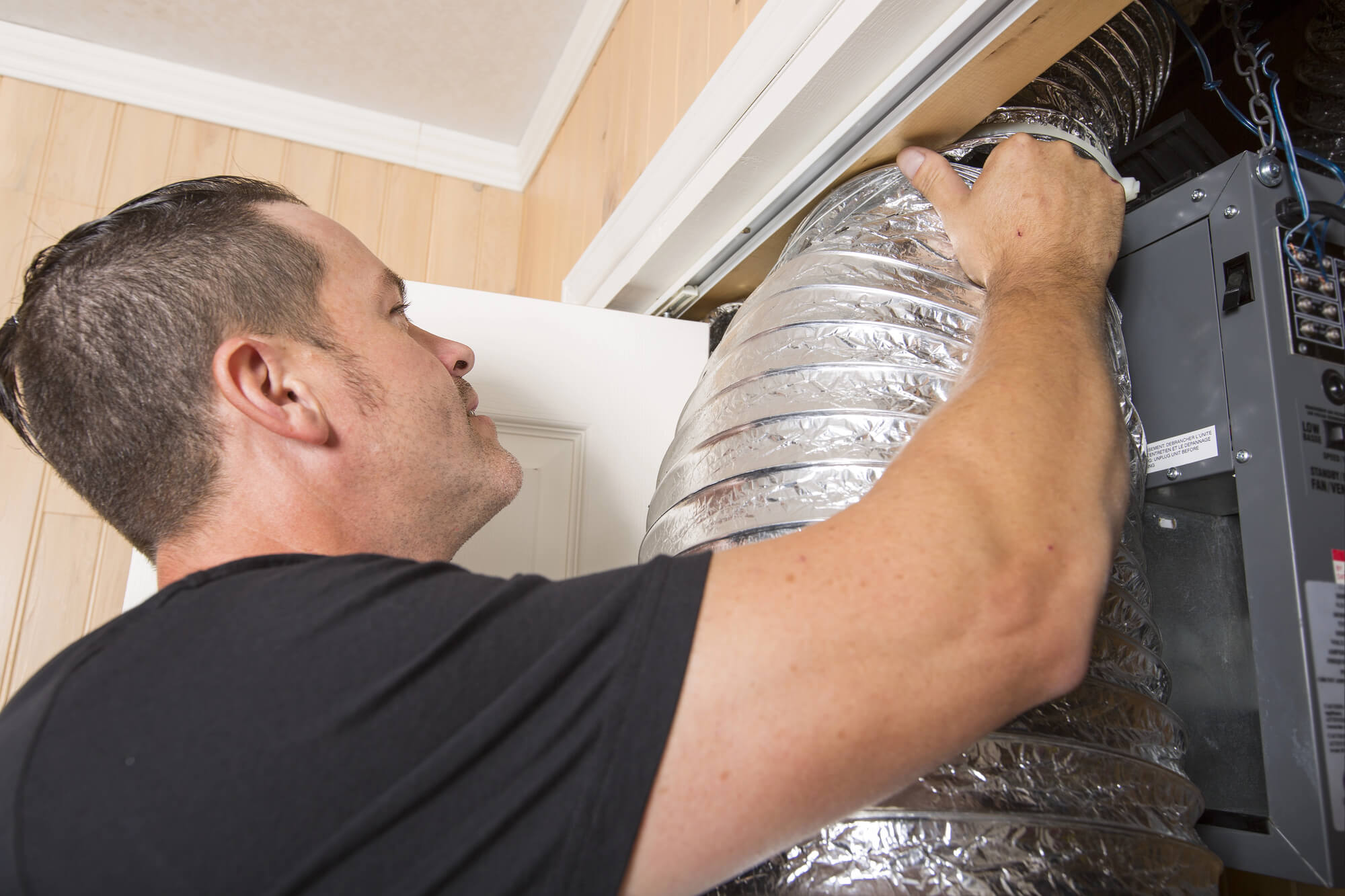
In the realm of HVAC systems, cleanliness is key to ensuring optimal performance and maintaining indoor air quality. Regular inspection and cleaning of HVAC components are essential practices for both personal homes and commercial property complexes. When faced with the question of whether HVAC cleaning, restoration, or renovation is necessary, it’s crucial to understand the indicators and standards that guide these decisions.
Why Clean HVAC Components?
When conducting a proper HVAC cleanliness inspection, the primary goal is to ensure that the system is free from contaminants that can compromise its performance and indoor air quality. Dust, debris, mold, and other pollutants can accumulate within ducts, coils, fans, and other components over time, hindering airflow and potentially harboring harmful pathogens. By addressing these issues through cleaning and restoration, homeowners and building managers can achieve peace of mind knowing that their HVAC systems are operating efficiently and promoting a healthy indoor environment. Taking these steps also increases the life span of HVAC systems—and may be a requirement as part of the manufacturer’s warranty terms.
- Standard Requirements for HVAC Maintenance
The American National Standards Institute (ANSI), the American Society of Heating, Refrigerating and Air-Conditioning Engineers (ASHRAE), and the Air Conditioning Contractors of America (ACCA) collaborated to develop Standard 180: Standard Practice for Inspection and Maintenance of Commercial Building HVAC Systems. This standard outlines the requirements for establishing a comprehensive HVAC maintenance program, emphasizing the importance of regular inspections, cleaning, and documentation.
Under Standard 180, HVAC maintenance tasks are categorized into three levels:
- Level 1 (Routine Inspection and Maintenance): Basic inspections and filter changes performed regularly to ensure system functionality.
- Level 2 (Intermediate Maintenance): In-depth inspections and cleaning of components beyond routine maintenance, typically conducted annually or semi-annually.
- Level 3 (Advanced Maintenance): Comprehensive inspections, cleaning, and restoration of HVAC components, often performed on a multi-year cycle or as needed based on system condition.
Following the guidelines outlined in ANSI/ASHRAE/ACCA Standard 180 helps homeowners and building managers establish a proactive approach to HVAC maintenance, promoting efficiency, reliability, and indoor air quality.
- The Impact of Mold Contamination
Mold contamination within HVAC systems poses significant risks to indoor air quality and occupant health. Mold spores can thrive in damp, dark environments, such as ductwork and air handling units, leading to the spread of allergens and potentially harmful mycotoxins. Detecting mold contamination requires a thorough inspection of HVAC components and air quality testing to identify the presence of mold spores.
Signs of mold contamination within HVAC systems may include:
- Musty odors emanating from air vents.
- Visible mold growth on duct surfaces or near HVAC components.
- Increased incidence of respiratory symptoms or allergic reactions among occupants.
In cases of confirmed mold contamination, prompt action is necessary to mitigate the spread of mold and restore indoor air quality. Professional mold remediation services, coupled with HVAC cleaning and restoration, can effectively address mold contamination and prevent its recurrence.
- Signs of Compromised HVAC Performance
Over time, the accumulation of dust, debris, and other contaminants within HVAC components can impede airflow and diminish system performance. Common indicators of compromised HVAC performance include:
- Reduced airflow from vents or registers.
- Uneven heating or cooling throughout the building.
- Increased energy consumption and utility costs.
- System malfunctions or breakdowns.
When left unchecked, contamination build-up can strain HVAC components, leading to premature wear and tear and potentially costly repairs. By addressing cleanliness issues through professional duct cleaning and HVAC restoration, homeowners and building managers can optimize system performance, extend equipment lifespan, and maintain a comfortable indoor environment.
In conclusion, determining the need for HVAC cleaning and restoration requires careful consideration of system condition, industry standards, and indoor air quality concerns. By adhering to ANSI/ASHRAE/ACCA Standard 180 and proactively addressing issues such as mold contamination and compromised performance, homeowners and building managers can ensure clean ducts, peace of mind, and optimal indoor air quality for their properties.
Remember, maintaining clean ducts is not just about comfort; it’s about safeguarding the health and well-being of occupants and preserving the longevity of HVAC systems. Stay proactive, stay informed, and prioritize the cleanliness and efficiency of your HVAC system for a healthier, happier living or working environment.