You notice it in patterns more than in single complaints: the team that is always fighting colds, the meeting room that leaves people with headaches, the floor where the air feels “heavy” by mid‑afternoon. None of that shows up on a balance sheet, but it erodes health, focus, and trust in the workplace.
Employee health has become a defining factor in how modern workplaces operate. Beyond comfort, the quality of the air inside commercial buildings directly affects how people feel, how often they get sick, and how well they perform throughout the day. In offices, schools, healthcare facilities, and other commercial settings, indoor air quality is no longer an afterthought, but a core part of a healthy, productive environment.
Commercial air purification systems play an important role in addressing airborne pollutants that standard ventilation alone may not fully control. When they reduce contaminants such as allergens, bacteria, viruses, and volatile organic compounds, these systems help create cleaner indoor air that supports employee health and business continuity.
This guide walks through how these systems work, which health outcomes they influence, how to choose partners like Modern PURAIR you can stand behind, and who can also measure whether cleaner air is actually making a difference for your people and your organization.
Why Indoor Air Quality Matters in Commercial Settings
Many commercial buildings are designed to be energy efficient, which often means they are tightly sealed and rely heavily on mechanical ventilation. While this helps control temperature, it can also allow airborne contaminants to build up over time.
Common indoor air quality challenges in commercial settings include:
- Limited ventilation that recirculates indoor air
- Pollutants entering through HVAC systems
- Dust, smoke, and allergens brought in by occupants
- Volatile organic compounds (VOCs) that are released from furnishings, equipment, and cleaning products
Without proper air purification, these airborne pollutants remain suspended in the air that employees breathe every day. Over time, this can affect both comfort and overall health, particularly in shared or densely occupied spaces.
How Airborne Pollutants Affect Employee Health
Poor indoor air quality doesn’t always cause immediate or obvious symptoms, but its effects often show up gradually. Employees may experience:
- Increased fatigue
- Headaches
- Allergy symptoms
- Respiratory irritation
All without realizing that air quality is a contributing factor.
Particles and allergens tend to drive irritation and flare‑ups; VOCs can contribute to headaches or nausea; higher CO₂ levels are strongly associated with fatigue and “foggy” thinking.
Airborne contaminants such as bacteria, viruses, and fine particulate matter can also increase the risk of infection spreading throughout a workplace. When these particles circulate through ventilation systems and settle on surfaces, they create ongoing exposure that impacts occupants throughout the building.
Improving indoor air quality helps reduce these stressors, supporting healthier employees and a more resilient work environment. However, each one calls for a slightly different mix of ventilation, air filters, purification, and source control.
How Commercial Air Purification Systems Work
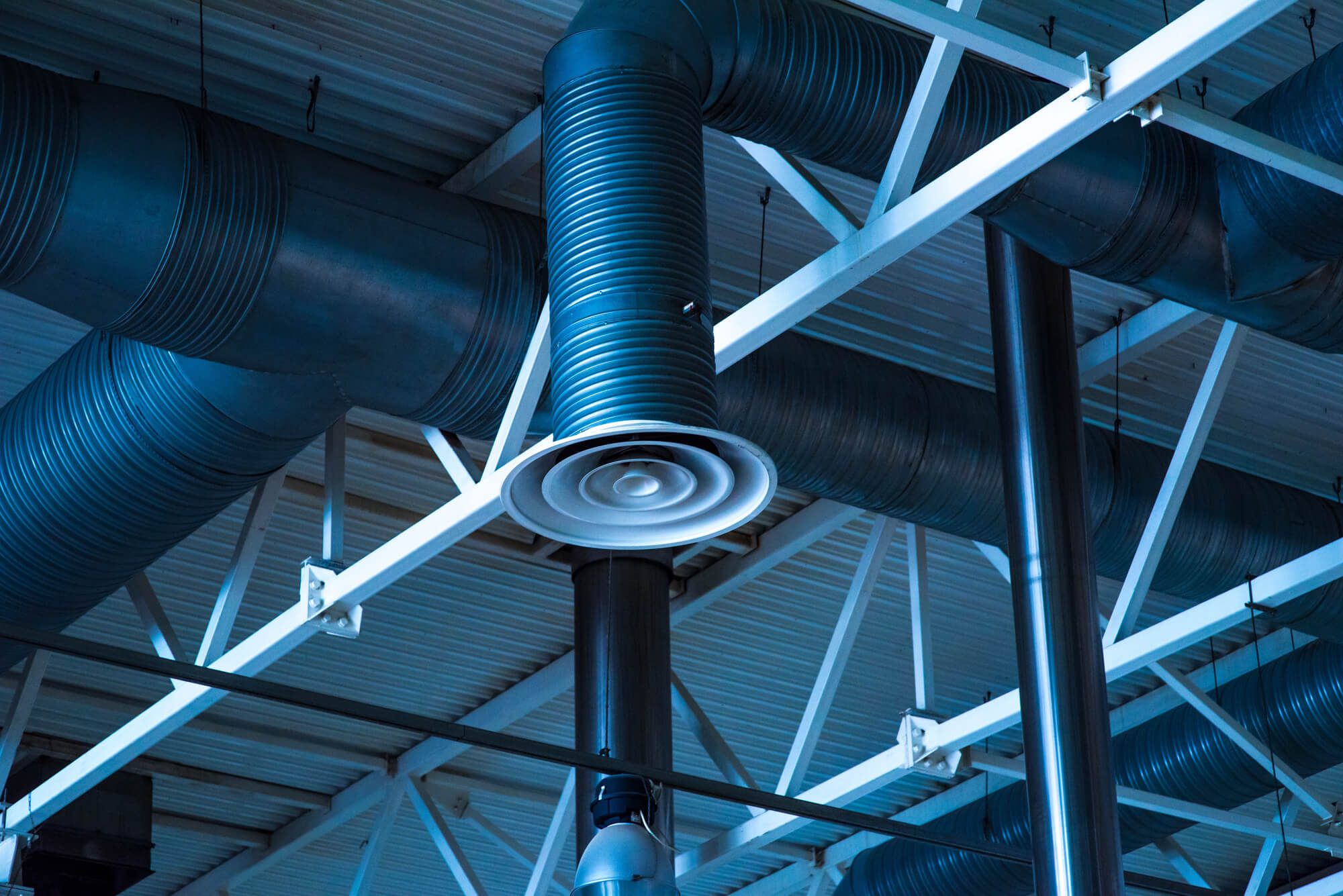
Commercial air purification systems are designed to work alongside existing HVAC systems to improve the quality of the air circulating through a building. Their primary role is to remove or neutralize airborne contaminants before they reach occupants.
Capturing and Neutralizing Airborne Contaminants
Effective air purification systems target a wide range of airborne contaminants, including:
- Viruses and pathogens
- Bacteria and germs
- Allergens such as pollen and dust
- Smoke and fine airborne particles
As air moves through the system, purification technologies capture or deactivate these contaminants, reducing their concentration in occupied spaces. This process helps limit the spread of infection and lowers overall exposure to harmful airborne particles.
The Role of Air Filters and Filter Replacements
Air filters are a critical component of any commercial air purification system. High-quality filters trap airborne pollutants as air passes through the system, preventing contaminants from recirculating back into the workspace.
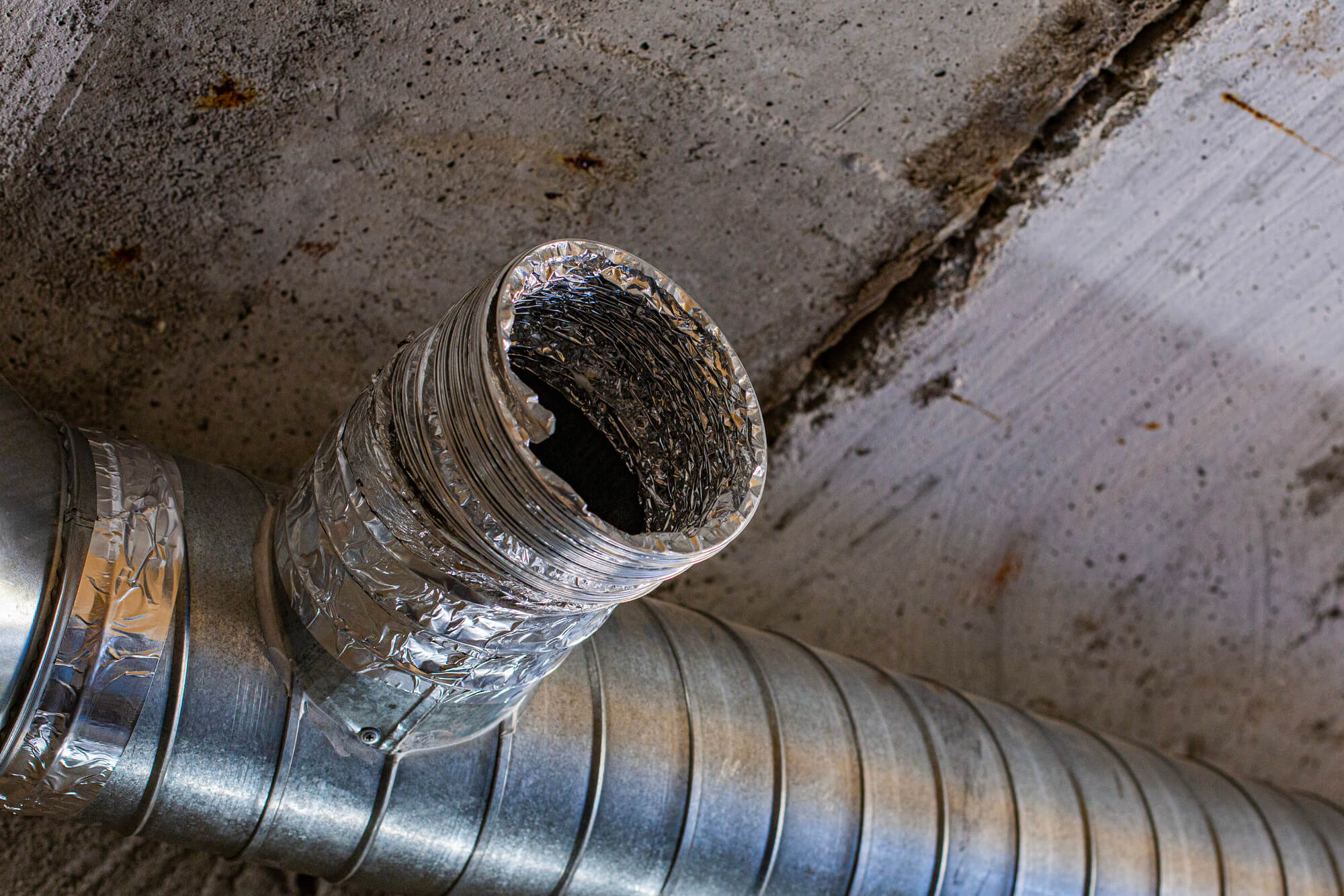
However, even the best air filters require regular maintenance. Filter replacements are essential to ensure consistent performance, as clogged or neglected filters can restrict airflow, reduce purification effectiveness, and place added strain on HVAC equipment.
A well-maintained filtration system supports both indoor air quality and overall system efficiency.
UV Air Purifiers
Many commercial air purification systems also incorporate UV light technology, typically UVC lamps for ultraviolet germicidal irradiation.
- UV light helps neutralize germs, bacteria, and viruses as air moves through the system, reducing their ability to spread.
- When used alongside air filters, UV light provides an additional layer of protection.
These advanced purification technologies are commonly used in commercial spaces and particularly in environments where infection control is a priority, such as offices, healthcare facilities, and educational buildings, to support cleaner, healthier indoor air.
Health Benefits for Employees and Building Occupants
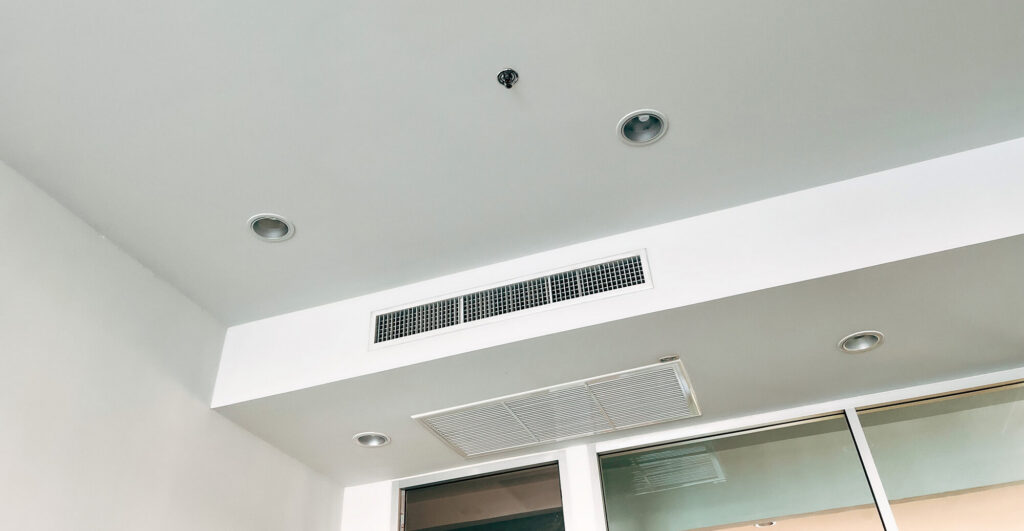
Cleaner air is comfortable, no doubt about it, but the most valuable benefit is for everyone’s respiratory health in a commercial space. When your systems reduce particles, allergens, and certain gases, employees often feel the difference in subtle but meaningful ways.
Reducing the Spread of Viruses and Infection
In shared workspaces, airborne transmission is one of the most common ways illnesses spread. Viruses, bacteria, and other pathogens can remain suspended in the air long enough to move between rooms and departments through ventilation systems.
Commercial air purifier systems help reduce the risk of airborne illnesses by capturing and neutralizing airborne contaminants before they circulate throughout the building. This added layer of protection is especially valuable during peak illness seasons or in environments where people work in close proximity.
Fewer Allergens, Less Irritation
Dust, pollen, and other allergens can quickly accumulate in enclosed buildings, particularly those with high foot traffic. For employees with asthma, allergies, or respiratory sensitivities, this exposure can lead to discomfort, missed workdays, and reduced focus.
Effective and efficient air filtration systems remove allergens and fine airborne particles, helping to create a more comfortable indoor environment. Even employees without diagnosed sensitivities often notice fewer headaches, less dryness, no more foul odors, and reduced irritation when air quality improves.
Supporting Cleaner Surfaces and Shared Spaces
Airborne pollutants don’t stay in the air forever. Over time, contaminants settle on desks, equipment, and other surfaces, contributing to ongoing exposure and cleaning challenges.
Cleaner air means fewer particles landing on surfaces throughout the building. While surface cleaning remains important, improved air purification helps reduce how quickly germs and pollutants reappear, supporting a more hygienic workspace overall.
Productivity and Performance Benefits for Businesses
Healthier air can also support stronger business performance. When indoor air quality improves, organizations often see gains that extend beyond wellness alone.
- Improved Focus, Energy, and Comfort: Poor air quality can contribute to fatigue, difficulty concentrating, and general discomfort throughout the workday. Improved indoor air quality supports clearer thinking, steadier energy levels, and a more pleasant workplace experience, factors that directly influence productivity.
- Reduced Sick Days and Absenteeism: Frequent illness disrupts workflows, increases workload for healthy staff, and affects morale. When the exposure to airborne pathogens and contaminants is lowered, commercial air purification systems can help reduce sick days and help achieve more consistent attendance, which can make a noticeable difference in operational stability and employee satisfaction.
Choosing the Right Commercial Air Purification System
Selecting the right solution depends on understanding the specific needs of your building and occupants.
Factors That Matter in Commercial Settings
Key considerations include:
- Building size and layout
- Occupant density and usage patterns
- Existing ventilation and HVAC design
- Types of airborne pollutants present
A system that works well in one commercial environment may not be suitable for another, which is why proper evaluation is essential.
Why Professional Assessment Makes a Difference
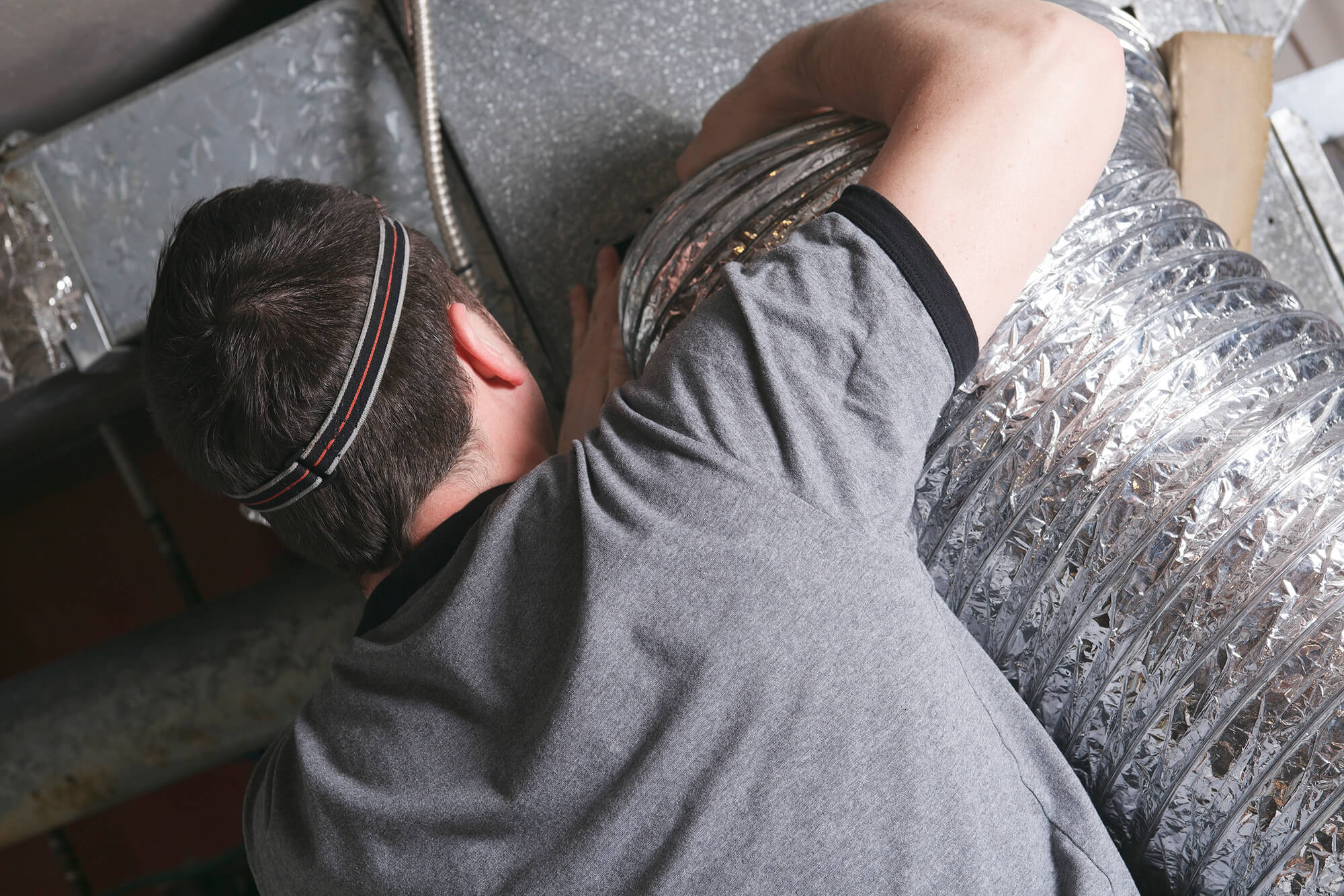
A professional assessment helps ensure that air purification systems are properly sized, installed, and integrated with existing equipment. This avoids common issues such as restricted airflow, uneven coverage, or underperforming systems.
Expert guidance ensures the solution supports both indoor air quality and long-term system reliability.
Why Businesses Trust Modern PURAIR®
Expertise in Commercial Indoor Air Quality
Modern PURAIR® brings extensive experience in improving indoor air quality across commercial buildings in a wide range of industries. Our team understands how indoor air quality challenges vary between offices, schools, healthcare facilities, and industrial environments, where air pollution and airborne pollutants can impact both health and productivity in the workplace.
We specialize in evaluating HVAC systems, ventilation performance, and air conditioning setups to ensure businesses maintain clean air and a healthier working environment.
Proven Methods and Industry Standards
Our approach aligns with recognized industry standards and focuses on safe, effective removal of airborne pollutants and contaminants. We use proven methods and professional-grade equipment, including HEPA filter systems, HEPA air purification units, activated carbon filtration, UV-C solutions, and even industrial air scrubber technology when needed.
By integrating these solutions into your HVAC system, we help reduce air pollution, improve efficiency, and support a clean work environment without disrupting daily commercial operations. Our services are designed to meet the growing demands of the purifier market while delivering reliable, long-term results.
A Long-Term Focus on Health and Efficiency
Modern PURAIR® looks beyond short-term fixes. We help businesses implement long-term solutions that improve indoor air quality, enhance HVAC efficiency, and support a healthier workplace over time.
Our strategies focus on reducing contaminants, optimizing ventilation, and ensuring systems continue working effectively to deliver consistent clean air across your commercial space.
Is a Commercial Air Purification System Right for Your Workplace?
Commercial air purification systems deliver the most value when indoor air quality challenges are clearly identified and addressed with the right solution. These systems, including HEPA filter and activated carbon options, work best as part of a broader approach that includes proper ventilation, filtration, and ongoing HVAC maintenance.
For many organizations, investing in air purification is a practical step toward creating a healthier workplace, improving efficiency, and supporting employee well-being in a clean work environment.
Take the Next Step Toward Healthier Indoor Air
If you’re considering commercial air purification solutions, the best place to start is with a clear understanding of your building’s indoor air quality. A professional assessment can identify airborne pollutants, ventilation gaps, and opportunities to reduce air pollution and improve system performance.
Modern PURAIR® helps businesses make informed decisions with straightforward recommendations and proven place services tailored to each commercial environment.
When you’re ready to improve clean air, workplace efficiency, and overall health, book a free commercial inspection. Our team is here to help with expert guidance, trusted HVAC solutions, and a 30-day satisfaction guarantee.