Your HVAC system works hardest when you need it most, during peak cooling season and extreme temperature swings. Yet one of the most common and overlooked causes of efficiency losses, higher energy bills, and system failures is dirty HVAC coils.
From the evaporator coil inside your air handler to the condenser coils in the outdoor unit, coil components play a critical role in the cooling process. When dirt builds up, dust, debris, and even mold accumulate on these surfaces, the system’s ability to move heat efficiently drops, often without obvious warning signs at first.
Take advantage of this quick guide on how dirty coils affect cooling capacity, energy consumption, and long-term system performance, so you, as a homeowner, can avoid unnecessary utility bills and costly repairs.
What HVAC Coils Do in the Cooling Process
HVAC coils are the unsung heroes in your heating and air conditioning system, playing a pivotal role in regulating your home’s temperature. The AC coils work tirelessly to absorb and release heat, ensuring your indoor environment stays comfortable year-round.
Let’s delve into the specific tasks performed by evaporator and condenser coils during the cooling process.
The Evaporator Coil (Indoor Coil)
The evaporator coil, sometimes referred to as the indoor coil or furnace coil, sits inside the air handler. Its job is to absorb heat from indoor air as refrigerant flows through the coil.
As warm air passes over the coil:
- Heat is transferred into the refrigerant
- Cooled air moves through supply ducts and air ducts
- The blower fan distributes conditioned air throughout the home
This heat exchange is essential for cooling efficiency and home comfort.
The Condenser Coils (Outdoor Coil)
The condenser coils, located in the outdoor unit, release the heat that was absorbed indoors. The compressor pumps refrigerant to the outdoor coil, where heat is expelled into the outside air.
Clean condenser coils allow:
- Proper heat rejection
- Stable system pressure
- Efficient compressor operation
Both indoor and outdoor units must work together seamlessly for optimal AC efficiency.
How Dirty HVAC Coils Reduce Cooling Capacity
Both AC coils in your system are remarkable innovations that leverage careful engineering and science to create a relatively simple mechanism for air conditioning your home.
However, both the outdoor and indoor evaporator coils can also easily be exposed to dust and debris from the environment, putting your system’s efficiency and durability at risk.
Dirt Buildup Blocks Heat Transfer
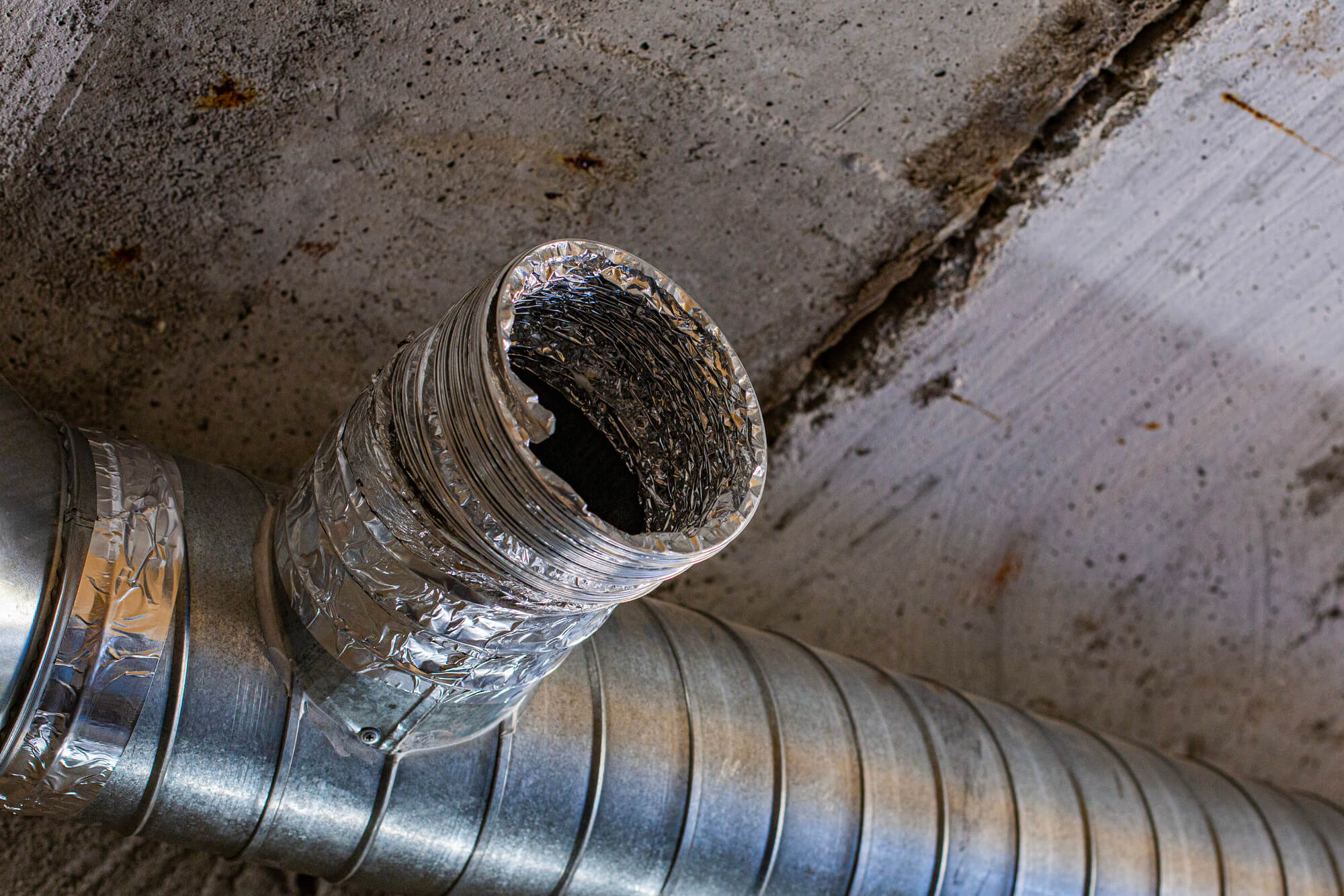
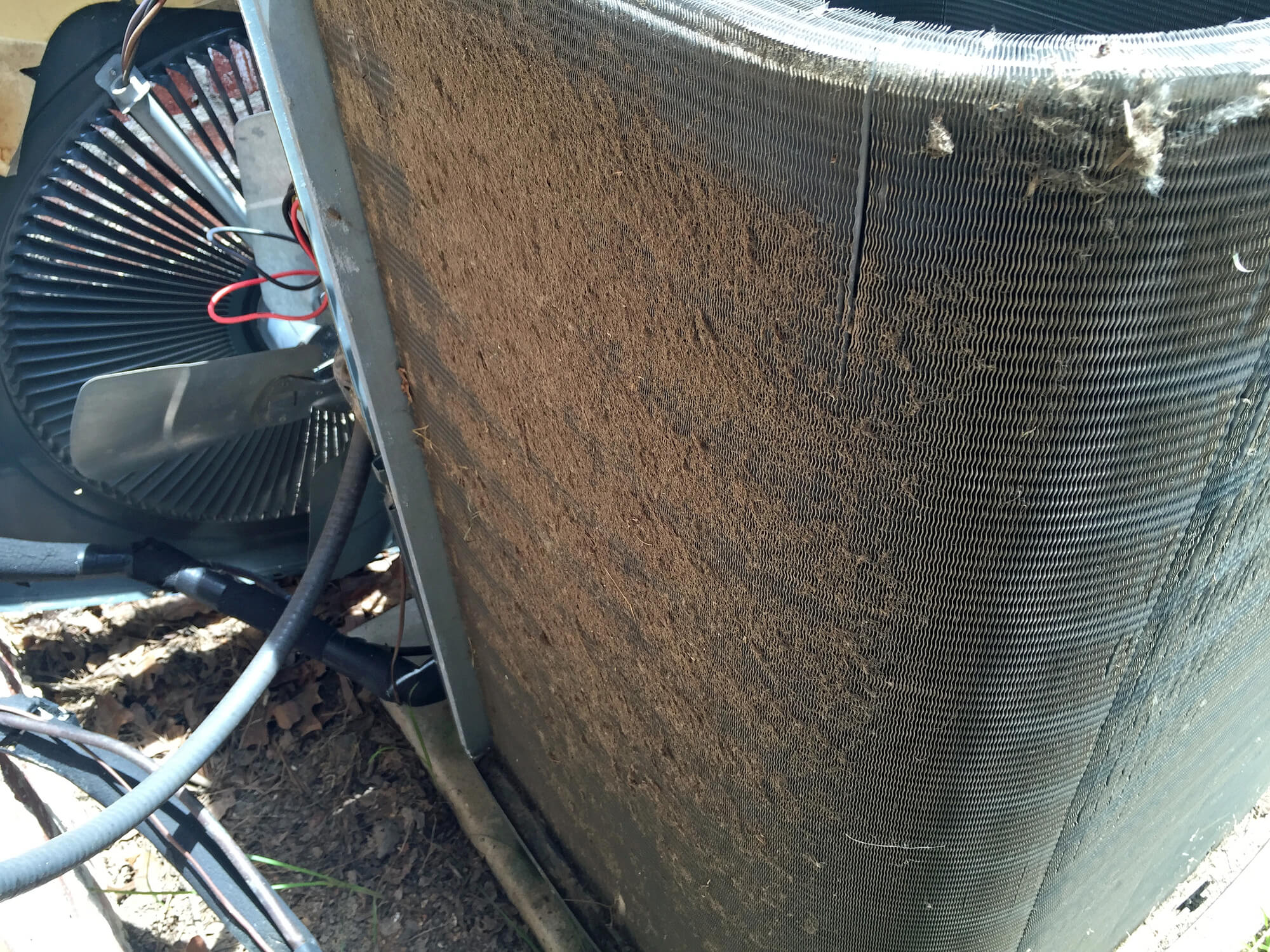
Dust, debris, and dried mold act as insulation on coil surfaces. When coils are dirty:
- The evaporator coil cannot absorb heat efficiently
- Condenser coils struggle to release heat outdoors
- The cooling process slows down
This directly reduces cooling capacity, forcing the system to run longer to reach the thermostat setting.
Restricted Airflow and Increased Static Pressure
Dirty coils restrict airflow through the air passages in the air handler. Reduced airflow leads to:
- Poor airflow balancing
- Increased static pressure
- Uneven temperatures throughout the home
As airflow drops, the system loses efficiency and comfort declines, even though the HVAC system is still running.
The Impact on Energy Consumption and Energy Bills
When coils are dirty, the system must work harder to achieve the same results.
This leads to:
- Increased energy consumption
- Longer operating cycles
- Higher energy bills and utility bills
- AC efficiency losses compound, as dirty HVAC coils don’t just cause a one-time spike in energy use.
- Cooling efficiency then declines season after season
- Peak cooling season becomes more expensive each year
Many homeowners notice rising costs without realizing that coil contamination, not the thermostat, is the root cause.
Clean coils are a cornerstone of energy engineering and long-term system efficiency.
Mechanical Strain and Risk of System Failures
The consequences of dirty condenser or evaporator coils don’t stop at higher energy bills and less functionality.
Added Stress on the Compressor
Restricted heat transfer causes pressure imbalances in the refrigerant circuit. This increases stress on the compressor, one of the most expensive HVAC components.
Consequences may include:
- Higher operating pressures
- Failed pressure testing results
- Premature compressor wear
System Freezing and Breakdowns
Dirty evaporator coils can cause system freezing due to reduced airflow and improper heat exchange. Ice buildup further blocks airflow and can lead to:
- Emergency service calls
- Complete system failures
- Shortened system lifespan
Indoor Air Quality Problems Linked to Dirty Coils
Once dust and dirt cause a system-wide loss of efficiency and functionality, the effects on those breathing the indoor air from the system also begin to manifest.
Mold, Mildew, and Bacterial Buildup
Moisture on dirty coils creates ideal conditions for mold growth, mildew, and bacterial buildup. Over time, coils may accumulate:
- Mold spores and dried mold
- Air pollutants
- Biological contaminants
As air passes over contaminated condenser and evaporator coils, these pollutants can circulate through air ducts and supply ducts.
Effects on Indoor Air Quality
Poor coil hygiene can negatively impact indoor air quality, contributing to:
- Allergy and asthma symptoms
- Musty odors
- Reduced home comfort
Clean coils support cleaner air and a healthier indoor environment.
Warning Signs Your HVAC Coils May Be Dirty
- Rising energy bills without changes in usage
- Reduced cooling efficiency
- The system is running constantly during the peak cooling season
- Uneven airflow from vents
- Musty smells or visible mold near the air handler
- Ice forming on AC coils or refrigerant lines
- Inconsistent temperatures despite thermostat adjustments
Why Professional HVAC Maintenance and Coil Cleaning Matter
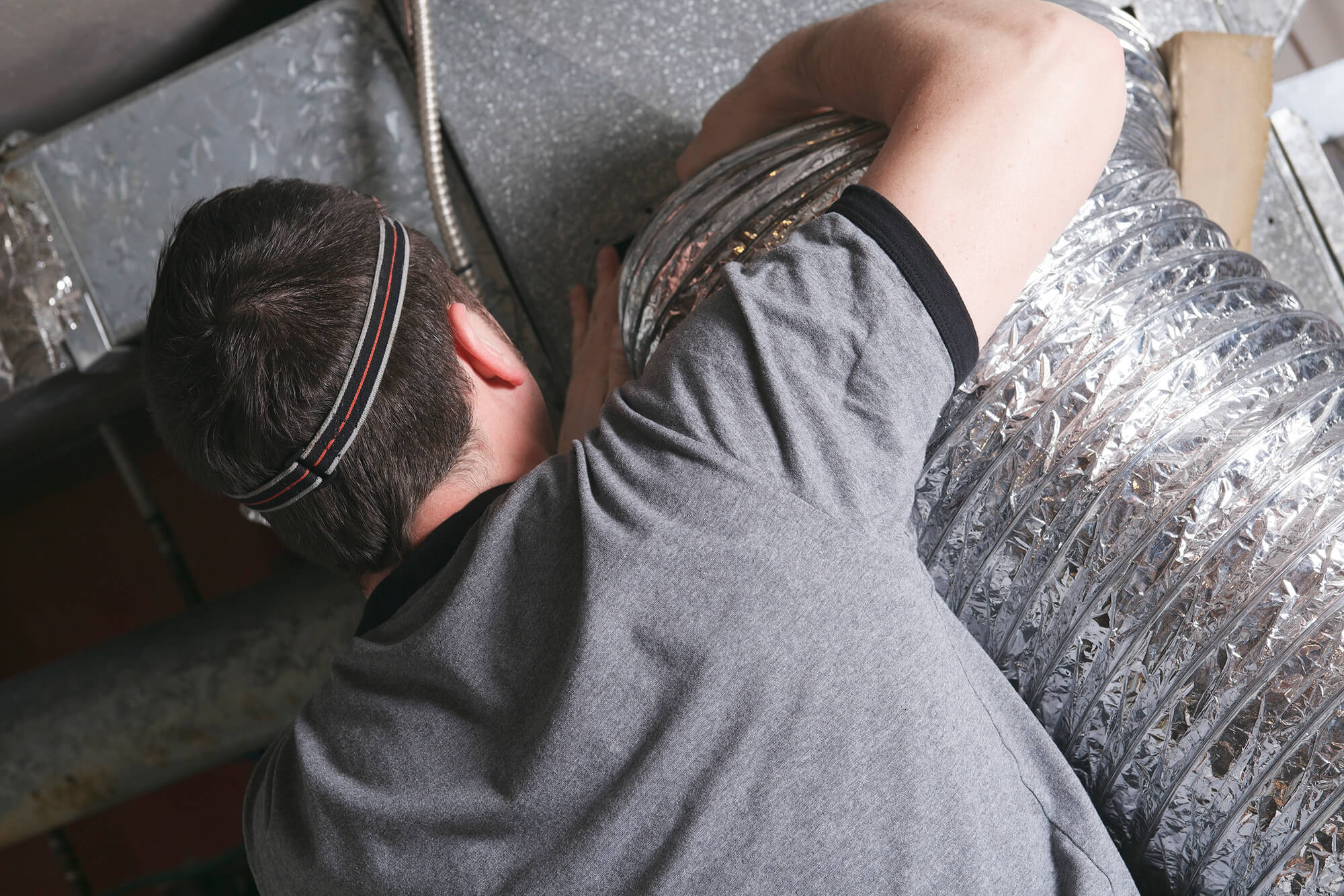
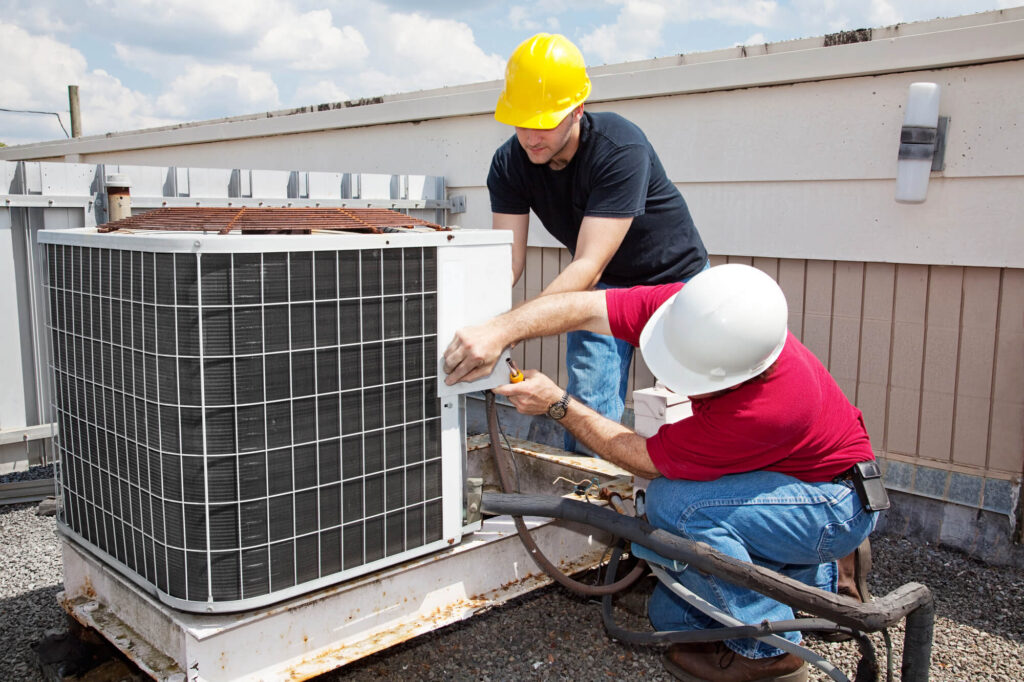
Proper coil cleaning requires trained technicians and approved cleaning procedures. Incorrect methods can damage delicate coil components or reduce system performance further.
Professional HVAC maintenance includes:
- Safe cleaning of indoor and outdoor coils
- Inspection of air filters, blower fan, and heat exchanger
- Airflow testing and airflow balancing
- Static pressure checks and pressure testing
Industry organizations like the National Air Duct Cleaners Association (NADCA) emphasize whole-system maintenance to support efficiency and indoor air quality.
Maintenance Intervals Protect Performance
Routine maintenance at proper maintenance intervals:
- Preserves cooling capacity
- Improves AC efficiency
- Reduces energy consumption
- Extends system lifespan
Preventive maintenance is far more cost-effective than reactive repairs.
How Clean Coils Improve System Performance and Comfort
With clean condenser coils and evaporator coil surfaces, homeowners benefit from improved air conditioning system performance and comfort across the entire HVAC system:
- Faster and more effective cooling as clean AC coils support proper heat transfer and allow the cooling process to function efficiently
- Lower energy bills and fewer higher energy bills caused by dirty HVAC coils or even a thin layer of dirt buildup on coil fins
- Improved airflow as air passes freely through air passages and ducts without obstruction from dirty coils that restrict airflow
- Reduced strain on both the indoor unit and outdoor unit, including the outdoor condenser unit and air handler
- More consistent temperatures, better cool air delivery, and improved indoor air quality throughout the home
Clean coils allow your air conditioner, heat pump, and overall HVAC systems to perform as they were engineered to, supporting efficient operation during the cooling season and summer cooling demands.
Why Homeowners Trust Modern PURAIR®
Modern PURAIR® takes a comprehensive approach to HVAC maintenance, focusing on the entire air conditioning unit and heating system rather than just surface-level cleaning. Our HVAC technician team follows a detailed cleaning process designed to restore performance and prevent long-term issues.
We help protect:
- Cooling efficiency by ensuring clean AC coils, condenser coils, and the indoor evaporator coil remain free from dirt buildup and contamination
- Indoor air quality and overall air quality by addressing contaminants that circulate through indoor air and air filters
- Long-term reliability of HVAC systems, including preventing system freezing, frozen coil conditions, and refrigerant leaks along refrigerant lines and copper tubing
Because we address dirty evaporator coil buildup, airflow issues, and system balance, we help prevent problems like blow warm air, poor cooling, longer cooling cycles, and even complete system failure.
Our coil cleaning service includes evaporator coil cleaning and AC coil cleaning using tools such as a soft brush, fin comb for straightening bent fins, compressed air, shop vac, and cleaners specifically designed for AC systems, not regular household cleaners. We carefully access components through the access panel, clean aluminum fins, drain pan, and drain line, and ensure the system is safe by checking the breaker box before service.
Clean Coils Mean Lower Costs and Better Comfort
Dirty AC coils and severely dirty coils quietly reduce cooling power, disrupt the ability to transfer heat, and cause the AC unit to work harder than necessary. This leads to increased energy bills, reduced performance, and systems that are not cooling properly.
Left unchecked, issues like bent fins, clogged air filters or AC filter components, and debris in the outdoor condenser coil can lead to system freezing, poor cooling, warm air output, and even complete system failure during peak summer cooling.
Professional coil cleaning and routine maintenance performed by an HVAC professional help:
- Enhance cooling performance and restore proper heat transfer
- Maintain efficient operation across the air conditioning system
- Prevent damage to the air conditioner’s coils and internal components
- Extend the lifespan of your HVAC systems and air conditioning unit
If your AC runs longer than usual, struggles with cooling properly, or produces warm air instead of cool air, it may be time for professional AC coil cleaning.
Book a service with Modern PURAIR® today to restore performance, protect your HVAC investment, and improve comfort throughout your home.
Clean air. We live and breathe it.®