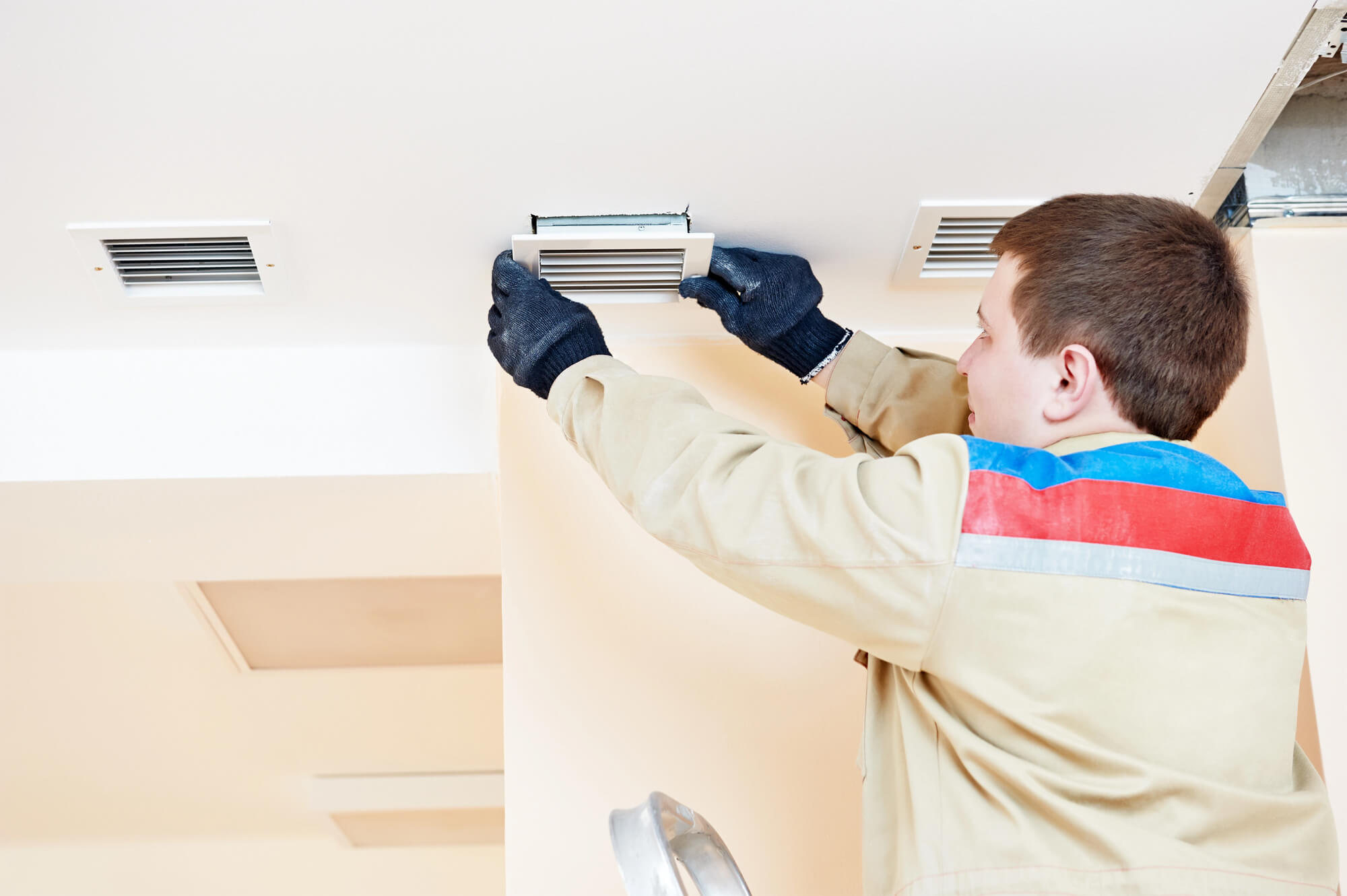
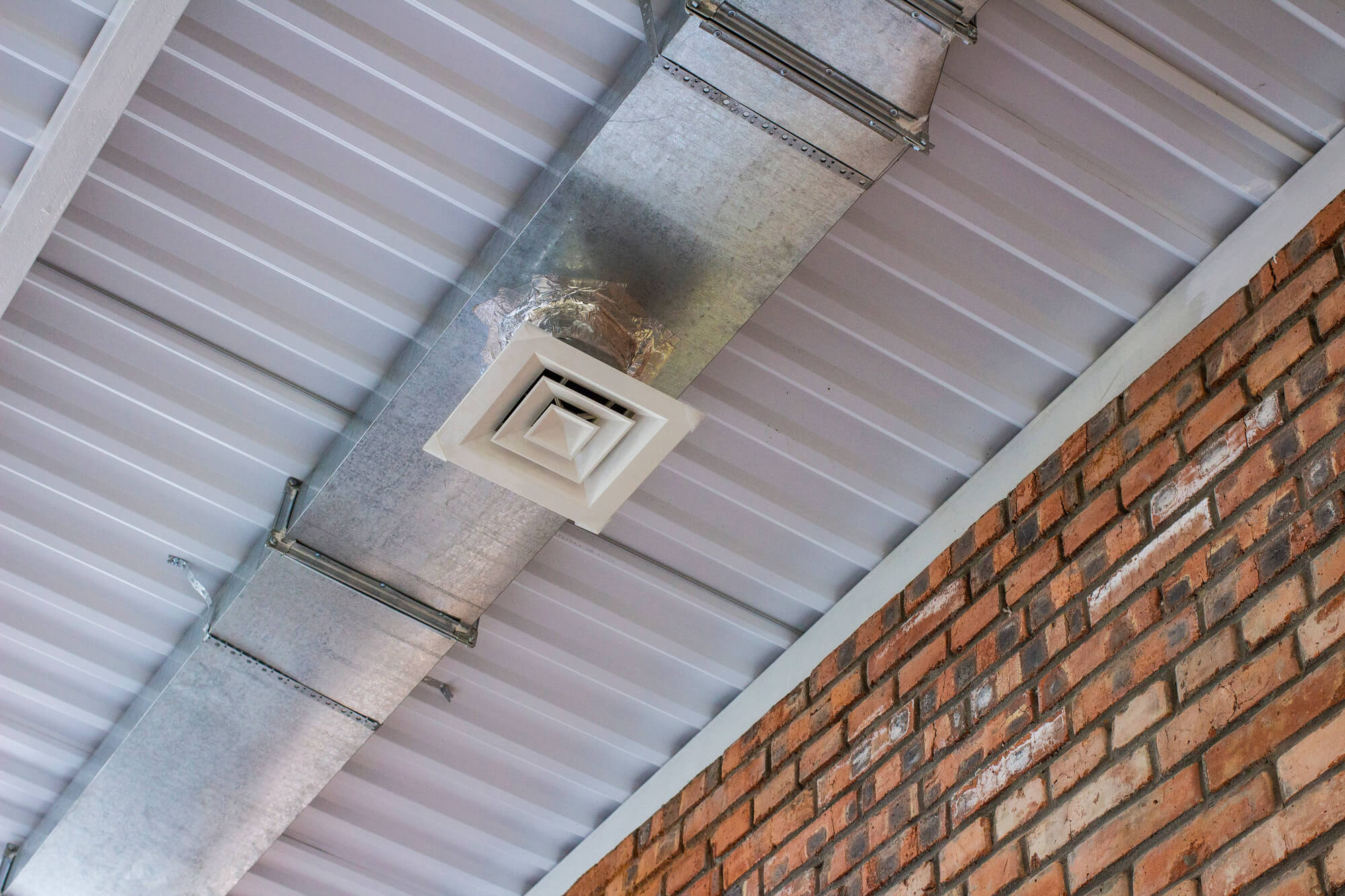
Air duct cleaning for property managers is easier to manage when it is part of a preventive maintenance program rather than a response to resident complaints.
Residents may report dust that returns quickly, persistent odors, uneven temperatures, or weak airflow. These concerns do not always point to dirty ductwork, but they can justify a closer HVAC system inspection.
Too many property owners or managers only address duct cleaning after a renovation, a smoke or moisture event, or a major complaint.
However, this guide will explain how planning ahead, in partnership with commercial or residential duct cleaning professionals, makes the work easier to budget, schedule, and document.
Why Air Duct Cleaning Can be Crucial in Multi-Unit Buildings
Proper maintenance of the HVAC system is crucial in multi-unit buildings. Clean air ducts can significantly support airflow, improve Indoor Air Quality (IAQ), and provide consistent maintenance records for property managers and multifamily operators.
When dust or debris accumulate within the heating and cooling system’s ductwork and mechanical components, issues such as mold growth or decreased HVAC performance can occur, impacting tenant comfort and potentially leading to respiratory issues.
While duct cleaning may address certain concerns such as persistent foul odors, visible dust and debris, or weak air flow, it’s important to recognize that comfort issues can also stem from other factors like air filters, ventilation, insulation, or system balance. Therefore, air duct cleaning should be part of a broader maintenance strategy rather than seen as a standalone solution.
Conditions that may justify an HVAC inspection include:
- Dust that returns quickly after routine cleaning, potentially indicating issues with the air distribution system.
- Persistent odors suggesting possible mildew or mold growth issues within air ducts or drain pans.
- Recurring hot or cold areas linked to airflow balance or obstruction in trunk lines.
- Weak or unusual air flow noise warranting further examination of mechanical agitation devices or negative air pressure techniques.
- Filters loading faster than expected hinting at underlying HVAC system inefficiencies.
None of these conditions automatically means the HVAC ducts need cleaning. An inspection with the use of tools like an inspection camera or HEPA-filtered vacuum collection should be conducted to identify the source of the problem before prescribing a solution.
Moreover, adhering to Environmental Protection Agency (EPA) guidelines, the National Air Duct Cleaners Association (NADCA) ACR Standard, and ASHRAE Standard 62.1 also contribute to a comprehensive approach to maintaining indoor air quality.
Clean registers, air handling units, and vent covers not only enhance HVAC performance but also create a polished appearance during property walkthroughs. Documentation, including before-and-after photos, inspection photos, and a scope summary, can be valuable additions to maintenance records and board packages for property owners and facility managers.
How Often Should Property Managers Schedule Air Duct Cleaning?
There is no single duct cleaning interval that applies to every building. The timing should reflect:
- HVAC system condition
- Air filter history
- Building use and air distribution system
- Renovation activity impacting ductwork
- Smoke, mold spores, or moisture events affecting air quality
- Equipment guidance and energy bills
- Professional inspection findings as per local building codes, EPA guidelines, or NADCA ACR Standard
Some HVAC systems may follow a two- to three-year review or service rhythm, but the right interval should be confirmed for each property to ensure optimal indoor air quality.
Dryer vent systems may need more frequent inspection because lint buildup, vent length, appliance use, and local requirements vary.
Regular maintenance can help prevent respiratory issues, improve HVAC system performance, and enhance tenant satisfaction in multifamily operators or short-term rental properties. Facility managers and property owners should document inspections and necessary duct cleaning actions in maintenance records.
Use the following as planning guidance:
| Building condition | Recommended action |
| Stable system with documented filter maintenance | Review on a planned cycle |
| Frequent renovations or high turnover | Inspect after major projects |
| Recurring dust buildup, odor, or airflow concerns | Investigate the source first |
| Smoke, water, or construction debris event | Arrange a condition-specific assessment |
| Dryer is taking longer to dry loads | Inspect the dryer exhaust system promptly |
Property managers can often reduce disruption by coordinating HVAC professional work with corridor painting, flooring replacement, or scheduled mechanical shutdowns.
A planned approach to air duct cleaning for property managers can also make resident communication, budgeting, and vendor coordination more consistent across a portfolio.
What a Professional Air Duct Cleaning Visit Should Include
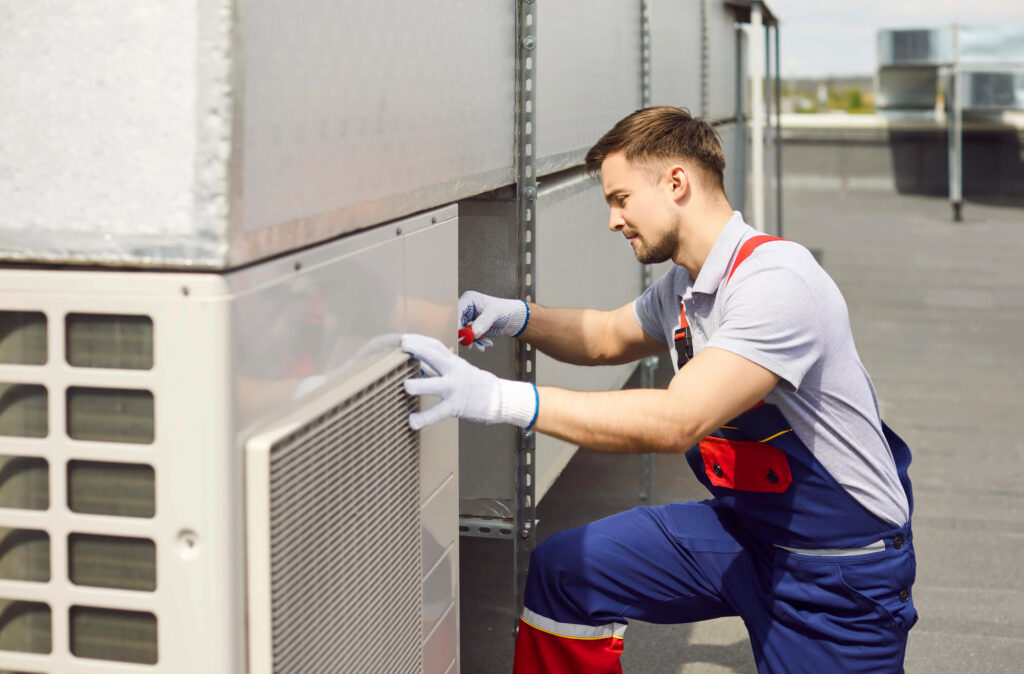
A professional air duct cleaning visit should feel like a controlled, repeatable project. The scope should be clear, access to the HVAC ductwork should be carefully planned, and the property manager should receive visible verification of the work to ensure improved indoor air quality and HVAC performance.
Before the project begins, property managers should confirm:
- Which systems and components of the HVAC system are included
- Which areas are inspection-only
- How tenant and common-area access will be handled
- What duct cleaning method will be used
- What documentation, such as inspection photos, will be provided
- Whether there are exclusions or inaccessible areas
Modern PURAIR® begins with a walkthrough and upfront scope confirmation. The agreed work is then completed using appropriate cleaning and debris-removal methods, such as mechanical agitation and HEPA-filtered vacuum collection, followed by visible verification and a post-service review.
What the service plan should address
A professional service plan should include the following steps:
- Confirm the scope and pricing upfront, especially for multifamily operators or student housing managers
- Protect finishes and plan hose routing to reduce dust spread
- Use an appropriate source-removal method to clean air ducts and improve air quality
- Identify which related components, like air registers, heat exchangers, blower motors, evaporator coils, and vent covers, are included.
- Document inaccessible areas or limitations, which might include trunk lines or air handling units.
- Provide visible verification, such as an inspection camera feed, where practical.
- Recommend the next review date or trigger, which could align with HVAC maintenance cycles.
Modern PURAIR® uses its proprietary PUR CURx® Contact Cleaning Scrub System to scrub all four sides of accessible ductwork where the system design and project scope allow.
Related components such as furnaces, coils, registers, or fans should be cleaned or inspected only when included in the agreed scope.
Before signing off, ask:
- What was cleaned, including ductwork and HVAC components?
- What was inspected only?
- Were any areas inaccessible?
- Were any separate HVAC, moisture, or ventilation concerns, such as mold growth or mildew, observed?
- What maintenance, like filter changes or airflow measurements, should happen next?
- When should the system be reviewed again to maintain proper airflow balance and prevent increased energy bills?
This disciplined approach not only maintains air quality but also can mitigate potential respiratory issues and asthma concerns for tenant health.
How Property Managers Can Build an Air Duct Cleaning Program
A commercial air duct cleaning program for property managers should define when systems are inspected, what triggers cleaning, who approves the work, and how results are documented.
A practical program should include:
- A review schedule for building and system
- Defined inspection and cleaning triggers
- Standard scopes and documentation requirements
- Resident communication procedures
- Budget and approval responsibilities
- Recordkeeping standards
For each property, record:
- Building name and system served
- Inspection and service dates
- Scope of work
- Access points used
- Conditions observed
- Photos and service documentation
- Exclusions or inaccessible areas
- Maintenance recommendations
- Next review date
Standardized records make it easier for property managers to compare properties, explain costs, and identify buildings that need attention.
How Modern PURAIR® Can Help Property Managers
Modern PURAIR® provides commercial air duct and dryer vent cleaning for property managers, facility managers, HOAs, multi-unit buildings, and other commercial properties.
Our process is designed to make the work clear and manageable. Depending on the property, the service may include:
- A review of the systems and areas involved
- Clear pricing before work begins
- Planning support for building access and scheduling
- Commercial duct cleaning or dryer vent cleaning
- Proprietary cleaning equipment is used where appropriate
- Clear confirmation of the services included
- Visible verification of what was removed
- A review of the completed work and relevant next steps
For air duct cleaning, Modern PURAIR® uses the trademarked PUR CURx® Contact Cleaning Scrub System, which is designed to scrub all four sides of the ductwork.
Property managers remain responsible for building approvals, resident communication, and the overall maintenance plan, while Modern PURAIR® technicians complete the services included in the agreed scope.
Plan Your Property’s Air Duct Cleaning
Air duct cleaning is easier to manage when it is planned before complaints, renovations, or unexpected events make the work urgent.
Start by reviewing your property’s HVAC and dryer exhaust systems, maintenance records, access requirements, and any conditions that may warrant inspection or cleaning.
Contact your local Modern PURAIR® team to discuss your property or portfolio. They can review your service needs, confirm local availability, and provide clear pricing before work begins.