In the past few years, the conversation around indoor air quality has shifted from a luxury to a necessity. Today, as homeowners grow increasingly aware of risks like wildfire smoke, airborne microorganisms, and even airborne COVID particulate, retrofitting existing HVAC systems with advanced air purification systems is considered an essential HVAC function.
Whether you live in a high-humidity coastal town or a wildfire-prone interior, retrofitting gives you a scalable, energy-efficient way to improve indoor air quality (IAQ) without replacing your entire HVAC system.
Modern PURAIR® offers a comprehensive approach to HVAC retrofitting, combining air quality expertise with cutting-edge purification solutions.
Why Retrofitting Your HVAC System Makes Sense in 2025
According to the EPA, indoor air pollution can be 2 to 5 times higher than outdoor air. This includes a mix of dust, VOCs (volatile organic compounds), germs, mold spores, and even airborne flu or COVID-19 virus particles. HVAC retrofitting helps homeowners to mitigate these threats by enhancing the capabilities of existing systems, without requiring full equipment replacement.
What Does an HVAC Retrofit for Air Purification Involve?
While the exact additions or upgrades to an HVAC system needed to make it a truly effective air purification solution will vary depending on several factors, which can include its current air filtering capabilities or the scale of the upgrades viable within the building, there are several core elements of an air filtration system that most HVAC retrofit projects include.
Core Components for Retrofit Integration
- HEPA air filters or similar (including MERV 11–13): Trap 99.97% of particles, including germs, allergens, and wildfire smoke
- UV air purifiers: Special equipment, like UV lamps, is installed inside air ducts, which sterilize airborne microorganisms in a UV stage, targeting bacteria, mold, and viruses
- Activated carbon filters: Absorb VOCs, odors, and gases
- Photocatalytic oxidation (PCO): Breaks down pollutants at a molecular level
- Electrostatic precipitators & ionization systems: These are electrostatic filters that capture fine particles and reduce airborne particulates
- Smart thermostats & CO₂ sensors: Monitor CO₂ levels, manage thermostat setpoints, and trigger automation
Compatibility Considerations
As mentioned before, not every HVAC air handler or blower can handle a retrofit. Our team evaluates:
- Space in ductwork for inline filtration or UV stage installation
- System design: scroll compressor vs reciprocating compressor
- Pressure drop from pleated filters or HEPA additions
- Location of vents, air returns, attic access, and return ducts
- Air pressurization balance and air leaks
Retrofitting Step-by-Step: From IAQ Testing to Clean Air
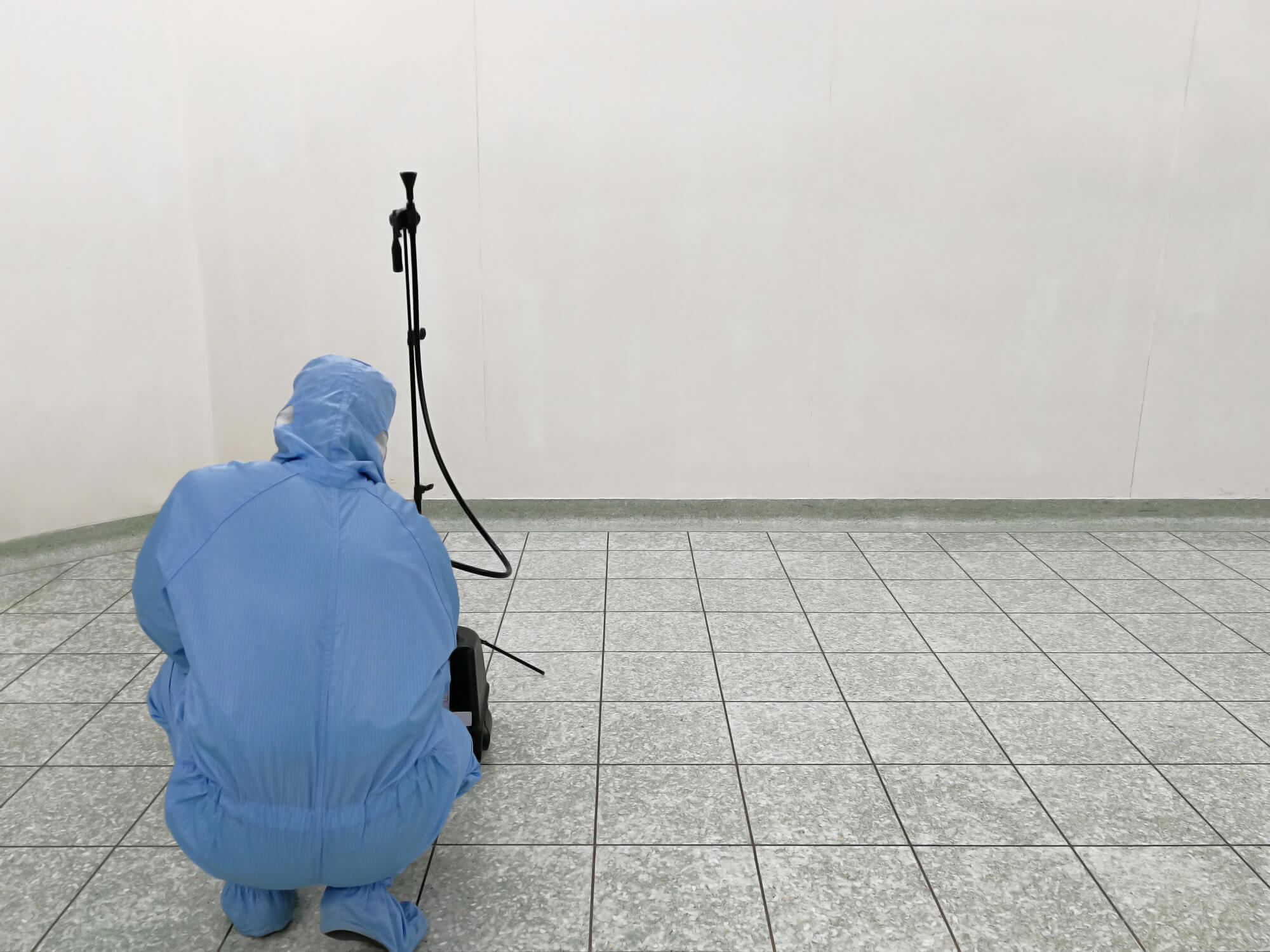
Step 1: Indoor Air Quality (IAQ) Testing
Before installing any air purification, our air quality experts perform thorough IAQ testing using proprietary sensors. This includes measuring:
- CO₂ levels, PM2.5/PM10, and VOCs
- Humidity and airflow issues
- Airborne COVID particulate
This scan identifies the specific threats in your home and helps us design a solution that works with your existing air handler and ductwork.
Step 2: Designing the Right System
- Filter ratings: MERV 11 to 13 are ideal for balancing pressure drop and filtration power
- UV lamp placement for maximum coverage
- Activated carbon and PCO modules added based on VOC levels
- Humidifiers and dehumidification control added for moisture balance
- Integration with existing thermostats and automation features (e.g., building automation systems, demand control ventilation)
Step 3: Retrofitting the HVAC
- Modify air handling units to accept new filters or UV lamps
- Add fresh air intake to improve ventilation rates and reduce reliance on recirculated air
- Install energy recovery ventilators (ERVs) or heat recovery ventilators (HRVs) to improve energy efficiency and bring in outdoor air
- Ensure damper adjustments for proper air pressurization and economizer function
Step 4: Testing, Calibration, and Ongoing Monitoring
- Balance airflow, test for pressure drop
- Optimize automation for variable frequency drive (VFD) systems
- Monitor IAQ with CO₂ sensors and smart thermostats
Benefits of an HVAC Retrofit With Purification Technologies
Everyone and every building benefits from clean indoor air in more ways than one.
Health & Wellness
- Reduce allergens, airborne microorganisms, and flu or COVID-19 virus particles.
- Lower risk of respiratory issues in sensitive spaces like day care centers
- Protects against wildfire smoke infiltration
HVAC Efficiency & Energy Savings
- Cleaner air = cleaner coils and blowers
- Improved airflow means lower energy use from your air handler and compressor.
- Cost savings through improved ventilation rate and air economizers
Long-Term IAQ Control
- Automation allows smart control of humidity, ventilation, and air quality
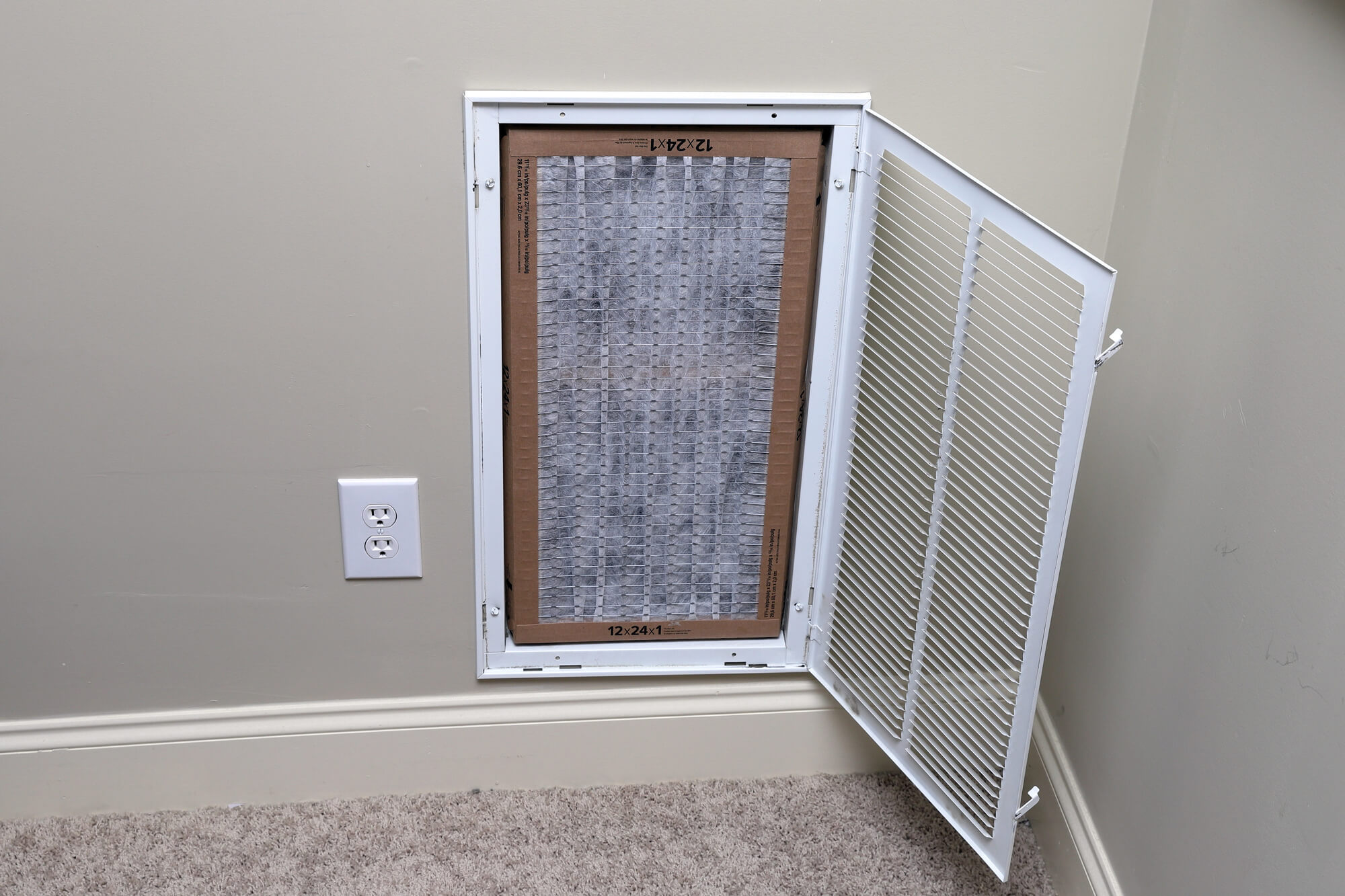
- Fewer filter changes with pleated filters or advanced air filter designs
- Seamless integration with existing thermostats and air handling units
FAQs About HVAC Retrofitting
Can all HVAC systems be retrofitted?
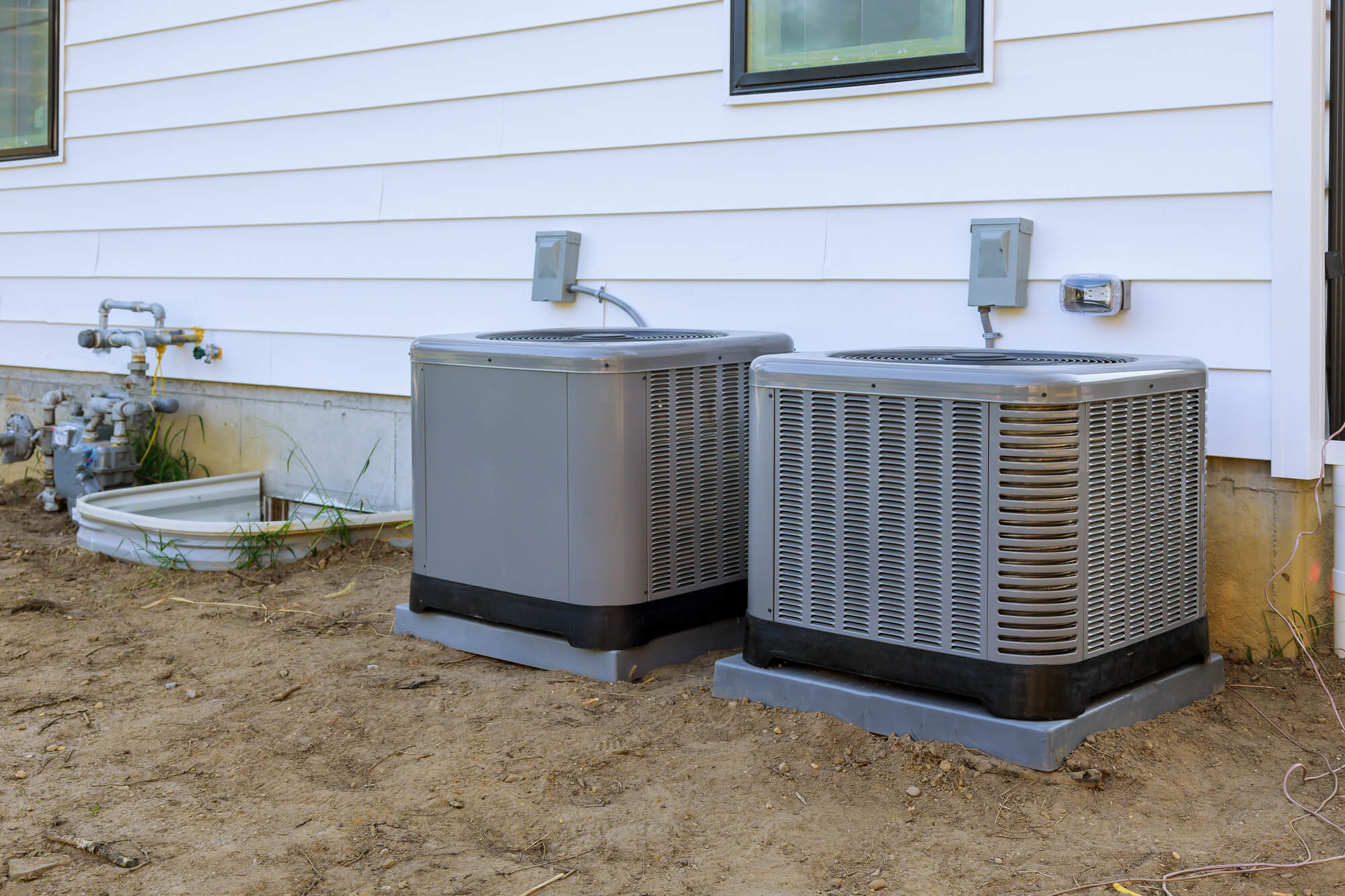
Most existing HVAC systems can be retrofitted to some degree. Systems with centralized ductwork, a compatible air handler, and adequate space inside the duct system are especially well-suited for HVAC retrofit work. Even an older system or split systems can often be upgraded without a complete replacement, making retrofitting systems a practical option for building owners facing budget constraints or sustainability goals.
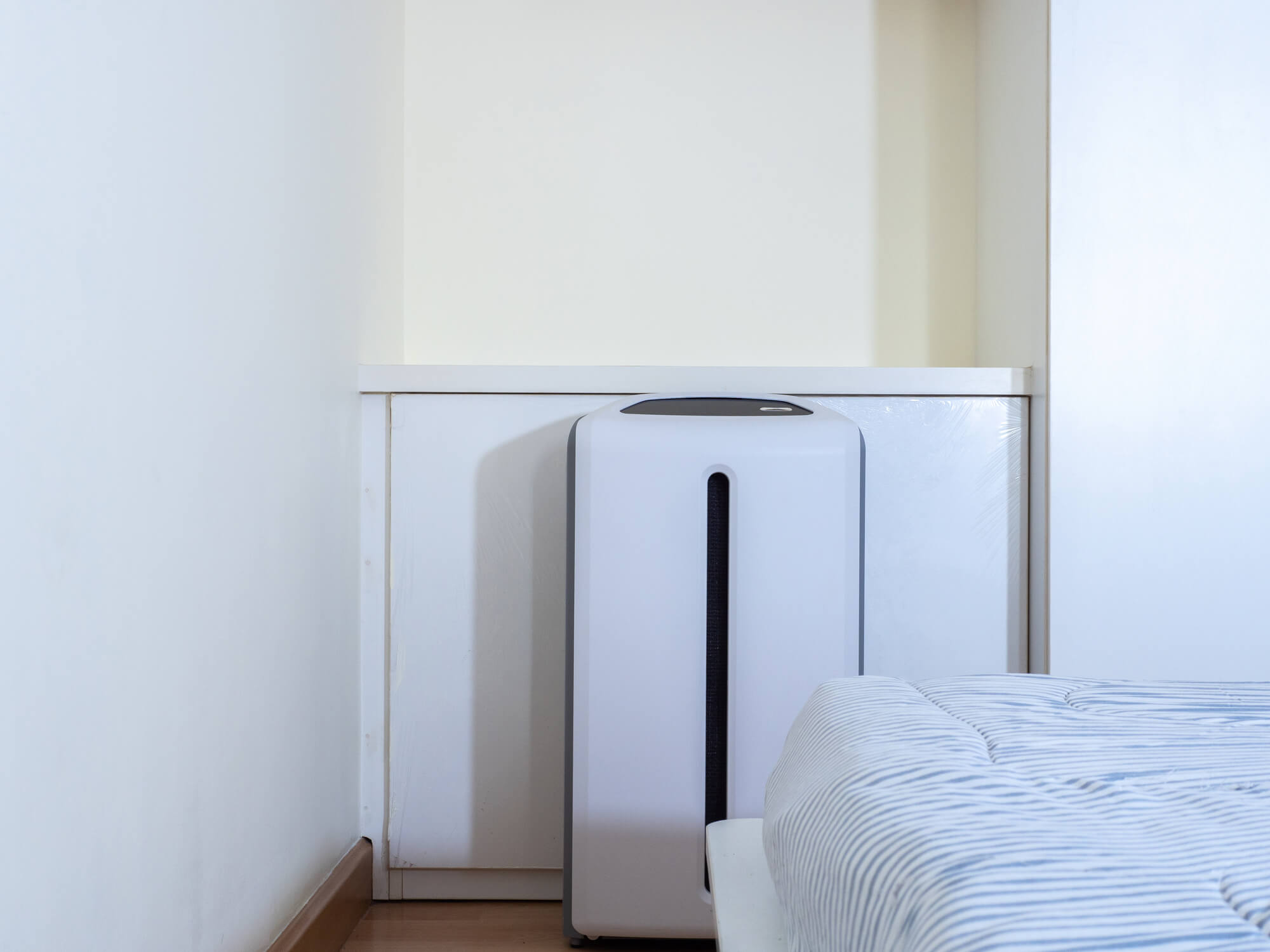
Is retrofitting better than using portable air cleaners or purifiers?
Yes. Retrofitting an HVAC system treats the entire system, ensuring all indoor air is cleaned and conditioned—not just the air in a single room. Unlike portable units, HVAC retrofitting integrates purification directly into existing systems, including air conditioning, ventilation systems, and cooling equipment. This approach supports building automation system integration, improves system performance, reduces energy waste, and helps lower energy costs and utility bills over time.
Does retrofitting impact airflow or comfort?
When retrofit work is properly designed and installed, airflow and comfort are maintained—or improved. Our process accounts for pressure drop, damper settings, refrigerant levels, fan speed, and properly sized components to prevent hot or cold spots, cold spots, or uneven heat distribution during the heating season and cooling season. The result is consistent indoor air quality, balanced airflow, and improved energy efficiency without sacrificing comfort.
Modern PURAIR®: Your Partner for IAQ Retrofits
Modern PURAIR is a leader in HVAC retrofitting for both residential and commercial HVAC systems. We work with existing HVAC systems, commercial HVAC equipment, and older systems to improve indoor air quality, energy efficiency, and long-term performance across the building.
We offer:
- Advanced IAQ testing using sensors and sensor-driven diagnostics to measure indoor air, outdoor air, occupancy patterns, airflow, and system performance across ventilation and cooling cycles
- Custom-designed air quality solutions based on home layout or building use, IAQ scores, air handler and HVAC unit configurations, ductwork condition, insulation, and ventilation requirements
- Polarized-Media Electronic Air Cleaners installed directly into filter racks of the HVAC unit. These systems combine electronic and media technologies, including HEPA filtration and activated carbon cartridges, to capture up to 97% of particles as small as 0.3 microns while reducing odors, gas contaminants, and airborne pollutants throughout the entire system
- Germicidal UVC systems installed inside ductwork or near cooling coils. These high-intensity UVC lamps disinfect indoor air by neutralizing airborne pathogens, improving air quality, protecting HVAC equipment components, and enhancing efficiency during both cooling and heating seasons
- Maintenance plans that include filter changes, duct system cleaning, performance monitoring, and ongoing optimization to reduce energy consumption, extend equipment life, and lower maintenance costs
Take Control of Your Indoor Air
If you’re ready to improve indoor air quality without replacing your HVAC system, an HVAC retrofit can make a big difference across residential and commercial buildings. Modern PURAIR® transforms your existing system into an energy efficient HVAC solution that enhances air handling, filtration, and overall performance, supporting energy savings, lower energy bills, and improved sustainability—all without installing a new HVAC system, new unit, or replacing your air handler or heat pump.
Our team works with facility managers and building owners throughout the HVAC industry on retrofit projects of all sizes, from residential air conditioner upgrades to commercial HVAC retrofits involving dual duct configurations, air economizers, improved air filter performance, and building-wide air handling improvements. Whether your goal is reduced energy consumption, better indoor air quality, simplified HVAC maintenance, or improved performance during peak cooling or heating demands, we tailor each job to your buildings, equipment, and budget, using proven retrofit strategies often illustrated through system diagrams to ensure clarity and long-term efficiency.
Contact Modern PURAIR® today to schedule your HVAC retrofit consultation. We’ll evaluate your existing system, identify opportunities to improve efficiency and performance, and deliver a retrofit solution that improves comfort, health, and energy outcomes—without the cost of a complete replacement.