Our homes should be a safe space, physically and health-wise. Yet, the air inside our homes, offices, and commercial buildings may be more harmful than we realize.
According to the EPA, indoor air pollutant concentrations can be two to five times higher than outdoor air quality levels. Given that we spend nearly 90% of our time indoors, that’s a significant health consideration.
From dust mites and pet dander to volatile organic compounds (VOCs) released by building materials and household products, a wide range of pollutants may silently accumulate in our indoor spaces. Add in poor ventilation, secondhand smoke, or emissions from gas stoves, and you’ve got a recipe for adverse health effects. These invisible yet impactful contaminants are linked to respiratory issues, heart disease, and even cognitive decline through long-term exposure.
That’s where indoor air quality testing comes in. It helps detect harmful contaminants, provides insights into indoor pollutant levels, and equips homeowners and businesses alike with corrective strategies. Whether you’re protecting your health or maintaining comfort for building occupants, testing is the first step toward a healthier indoor environment.
What Is Indoor Air Quality Testing?
It’s not just technical—it’s how you safeguard your space against what you can’t see.
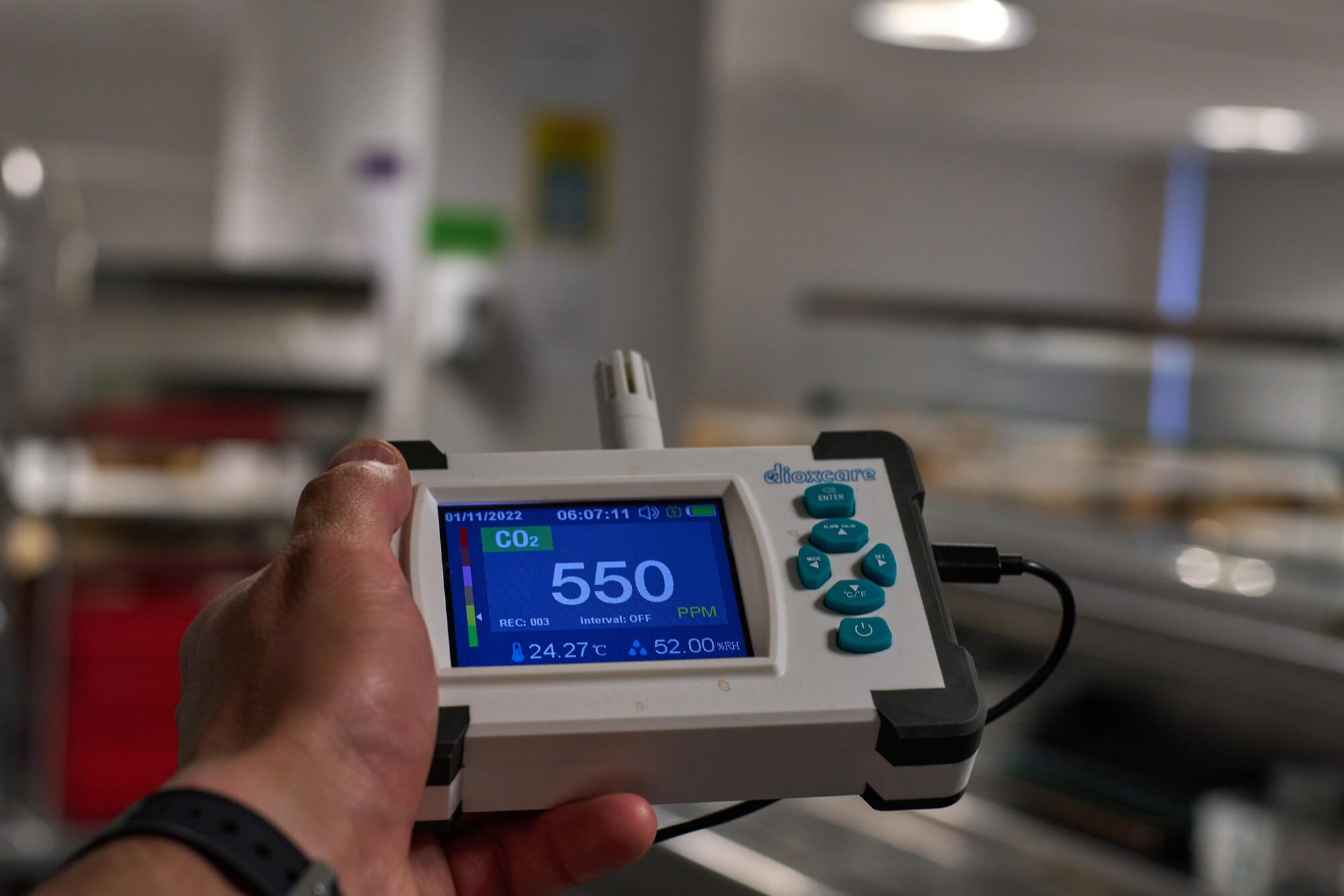
Indoor air quality (IAQ) testing measures indoor pollutant levels in a space to evaluate air quality over time. It identifies pollutants that may not show immediate signs but can cause long-term harm:
- VOCs from cleaning products, paints, and adhesives
- Carbon monoxide and carbon dioxide from combustion sources
- Mold spores in damp environments
- Particulate matter (PM2.5 and PM10)from indoor activities and outdoor infiltration
- Radon from beneath buildings
DIY vs. Professional Testing
DIY kits offer limited insight and often miss subtler or fluctuating indoor air pollution. Certified professionals use calibrated tools, comply with Health Canada, ASHRAE, and WCB standards, and provide detailed, actionable reports.
Why Does Indoor Air Quality Matter for Your Health?
Poor air can affect more than your comfort—it can harm your long-term health.
Invisible Threats Indoors:
- VOCs from paint and cleaning agents
- Pet dander, pollen, and dust mites
- Mold from moisture and poor ventilation
- Carbon monoxide and nitrogen dioxide from gas appliances
- Secondhand smoke and off-gassing chemicals
Health Risks:
- Respiratory issues: asthma, bronchitis, infections
- Allergic reactions, eye/nose/throat irritation
- Headaches, fatigue, and cognitive fog
- Increased cardiovascular and neurological risks
- Greater impact on children, seniors, and people with existing conditions
Maintaining proper ventilation and humidity between 30–50% also helps avoid mold growth, skin dryness, and airborne discomfort.
Common Myths About Indoor Air Quality Testing
“I change my filters regularly, so I’m fine.”
Filters only catch larger particles, not gases, mold spores, or subtle pollutants.
“If I can’t see a problem, there isn’t one.”
Most harmful pollutants are invisible and odorless.
“Testing is too expensive.”
It’s more affordable than you think—and it can prevent costly repairs or health treatments.
“Only big cities have bad indoor air.”
Many common pollutants that cause indoor air problems often come from potential sources inside: cleaning products, stoves, pets, or poor airflow.
Signs You May Need Indoor Air Quality Tests
Your body and building may be sending subtle signals.
Physical Symptoms:
- Coughing, sneezing, or throat irritation indoors
- Worsening asthma or allergy symptoms
- Chronic fatigue, headaches, or dry skin
Environmental Clues:
- Musty or chemical odors
- Mold spots or condensation on windows
- Persistent dust despite cleaning
- Pets showing signs of discomfort indoors
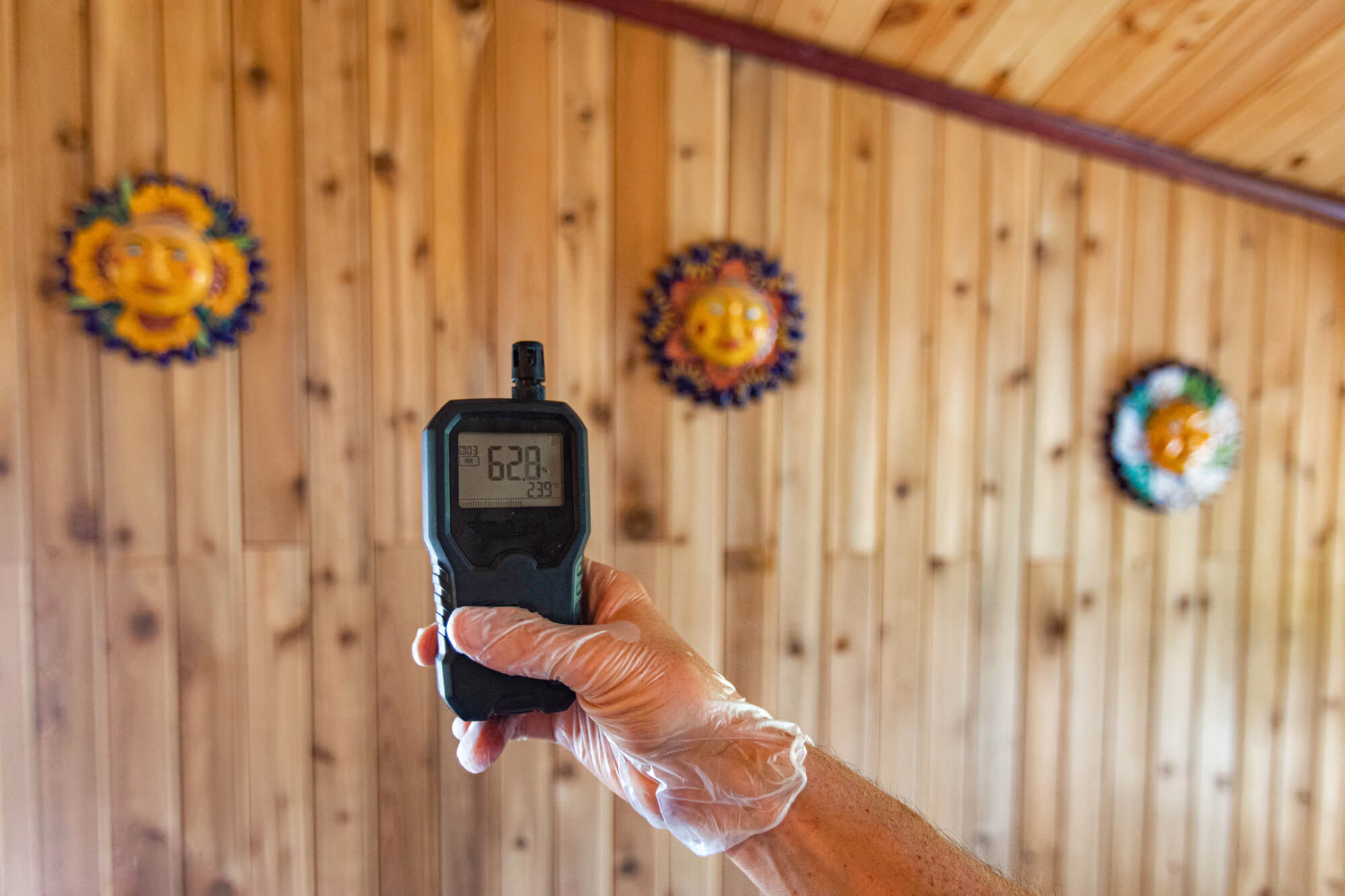
Benefits of Regular Indoor Air Quality Testing
A smart investment in long-term health and building performance.
Early Detection
Catch contaminants like CO, radon, mold, and particulates before they pose a bigger threat.
Peace of Mind
Especially important for families, seniors, or those with respiratory conditions.
HVAC Efficiency
Identifies blockages or imbalances that impact system performance and energy costs.
Compliance & Safety
Supports certifications and safety codes in commercial, school, or government buildings.
How Indoor Air Quality Testing Works with Modern PURAIR
We don’t just talk about healthy air—we deliver it.
What We Test
- VOCs from products and materials
- CO and CO2 from appliances and poor ventilation
- Mold spores from damp environments
- Particulate matter (PM2.5, PM10)
- Radon (region-specific)
Our Process
- Easy scheduling (phone or online)
- Certified professionals & calibrated tools
- Compliance with WCB, ASHRAE, and Health Canada
- Clear reports with levels of pollutants and health impacts
- Personalized recommendations for improvement
Follow-Up Solutions
- HEPA or UVC/UVV purification systems
- Filter maintenance plans
- Duct or coil cleaning
- Improved ventilation strategies
Who Should Prioritize IAQ Testing?
Anyone can benefit—but some need it more.
Pet Owners & Allergy Sufferers
Dander, fur, and cleaning agents increase airborne risks.
Families with Children or the Elderly
More sensitive respiratory systems need cleaner air.
Post-Renovation or Disaster Recovery
Construction dust, adhesives, or mold from water damage require follow-up testing.
Make Indoor Air Quality a Priority—Starting Today
You can’t always see or smell what’s in the air—but that doesn’t mean it’s harmless. Professional indoor air quality testing uncovers hidden threats, from CO and mold to chemicals released by daily living.
If you’ve noticed lingering odors, increased dust, or unexplained health issues—or just want peace of mind—contact Modern PURAIR today.