
When your HVAC system runs, it doesn’t just heat or cool your home—it circulates air through every room. If your air ducts are contaminated, that same system distributes dust, allergens, and pollutants throughout your living space every single day.
Over time, even well-maintained homes accumulate buildup inside their ductwork. This buildup doesn’t just affect cleanliness—it impacts indoor air quality, HVAC performance, energy efficiency, and long-term system health.
Despite how critical indoor air quality is, many homeowners overlook the role that dirty ductwork plays in overall home comfort and health. Dust, debris, allergens, and even microbial growth can accumulate in your ducts and continuously circulate through your home.
Professional air duct cleaning removes contaminants at the source—helping restore cleaner airflow, improve comfort, and protect your HVAC system.
At Modern PURAIR, we use a complete source-removal cleaning process designed to clean your entire system—not just the visible vents—so you get real, measurable results.
What Is Air Duct Cleaning? (And What Actually Gets Cleaned)
Air duct cleaning is not simply vacuuming vents—it’s a comprehensive cleaning of your entire HVAC air distribution system.
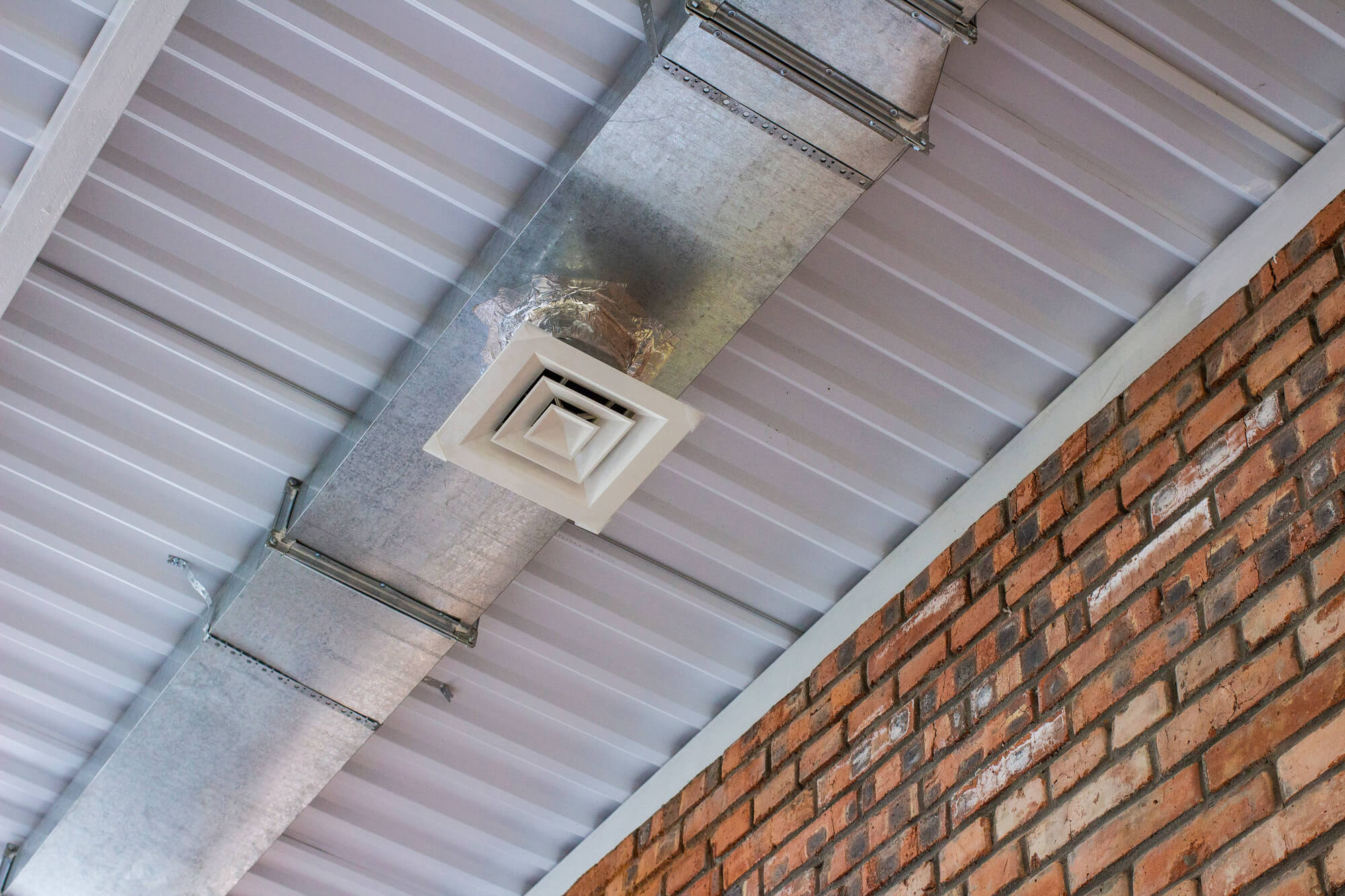
- Supply ducts that distribute conditioned air throughout your home
- Return ducts that pull air back into the system
- Air vents and grilles in each room
- Blower compartment and blower motor
- Air handler and furnace components
- Evaporator and condenser coils
- Furnace fan
- Drip pans and internal HVAC components
Each of these components plays a critical role in airflow, efficiency, and air quality. When they become dirty, your system must work harder—and your indoor air quality suffers.
Why This Matters
Every time your HVAC system runs:
- Air is pulled through return ducts
- It passes through internal components
- It is redistributed throughout your home
If contaminants exist anywhere in that system, they are continuously recirculated.
Common Misconception: “My filter catches everything”
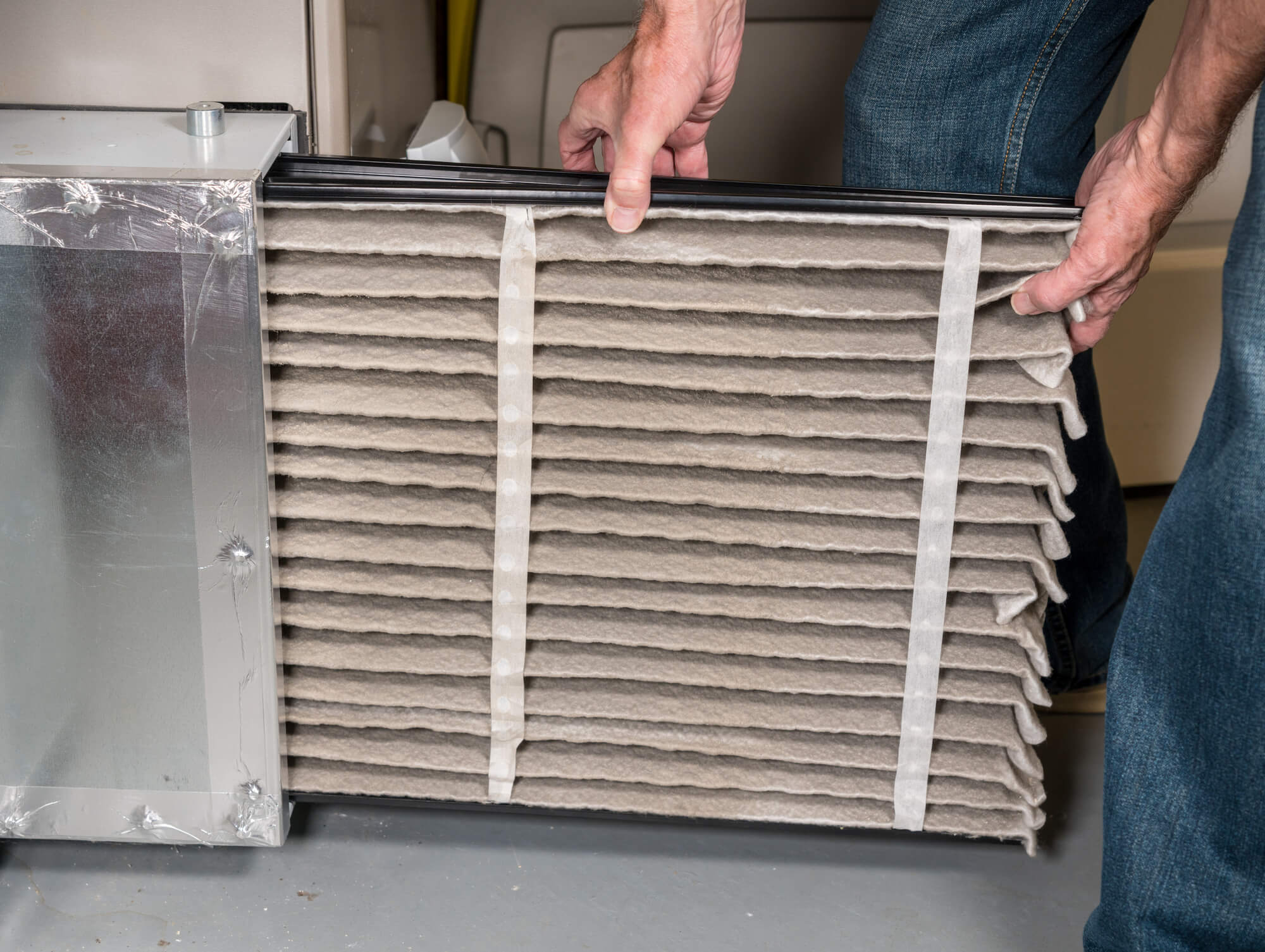
Even high-quality filters do not capture all airborne particles.
- Fine dust and microscopic particles can bypass filters
- Filters are often improperly installed
- Gaps in ductwork allow unfiltered air to enter
This is why cleaning the entire system—not just replacing filters—is essential
What Happens If Ducts Aren’t Cleaned?
When buildup accumulates over time:
- Airflow becomes restricted
- Dust and allergens recirculate continuously
- HVAC components experience increased strain
- System efficiency gradually declines
This leads to:
- More dust in your home
- Reduced comfort
- Higher energy costs
Signs You Need Air Duct Cleaning
Many homeowners don’t realize their ducts are contaminated until clear symptoms appear.
You may need duct cleaning if you notice:
- Persistent dust buildup around vents and surfaces
- Musty or stale odors when your system runs
- Increased allergy or respiratory symptoms
- Uneven airflow between rooms
- Higher-than-normal energy bills
- Recent renovations or construction
- Visible debris inside vents
- Signs of rodent or insect activity in ductwork
These are all indicators that contaminants are circulating through your system.
Benefits of Professional Air Duct Cleaning
A properly cleaned HVAC system delivers measurable improvements across your home.
Improved Indoor Air Quality
Removing dust, allergens, and contaminants reduces the number of airborne particles circulating through your home, creating a cleaner and healthier environment.
Increased Energy Efficiency
Clean ducts allow air to flow freely, reducing strain on your HVAC system and helping it operate more efficiently.
Longer HVAC System Lifespan
Less strain on your system means fewer breakdowns, fewer repairs, and a longer lifespan for your HVAC equipment.
Odor Removal & Air Freshness
Duct cleaning eliminates odors caused by:
- Dust buildup
- Mold or moisture
- Pet dander
- Organic debris
Health & Comfort Benefits
Cleaner air contributes to:
- Reduced allergy symptoms
- Improved breathing comfort
- A healthier living environment
DIY vs. Professional Air Duct Cleaning
Many homeowners consider cleaning their ducts themselves—but DIY methods are rarely effective.
Why DIY Methods Fall Short
- Household vacuums lack the power needed for deep cleaning
- Contaminants deep inside ducts remain untouched
- Risk of damaging ductwork
- Incomplete cleaning gives a false sense of improvement
Advantages of Professional Cleaning
Professional services use:
- High-powered vacuum systems
- Negative air pressure containment
- HEPA filtration
- Specialized agitation tools
- Industry-standard cleaning methods (NADCA aligned)
This ensures contaminants are completely removed—not just disturbed.
Our Air Duct Cleaning Process
At Modern PURAIR, we follow a structured, system-wide cleaning process designed for thorough results.
Step 1 — Inspection & Assessment
We evaluate:
- Contamination levels
- Airflow performance
- System condition
Step 2 — Pre-Cleaning Preparation
We protect your home by sealing vents and preparing the system to prevent dust from spreading.
Step 3 — Negative Pressure Setup
We create controlled airflow using powerful vacuum systems to safely remove contaminants.
Step 4 — Mechanical Agitation & Deep Cleaning
Specialized tools dislodge dust and debris from duct walls and internal components.
Step 5 — Full System Cleaning
We clean all major HVAC components, not just ductwork.
Step 6 — Final Inspection & Verification
We confirm:
- Cleanliness
- Proper airflow
- System performance improvement
How Long Does It Take?
Most residential duct cleaning services take 2 to 5 hours, depending on the size and complexity of your system.
How Often Should Air Ducts Be Cleaned?
Industry guidelines (such as NADCA) recommend cleaning every 2–3 years, but the ideal frequency depends on your home and lifestyle.
You May Need More Frequent Cleaning If:
- You have pets
- Someone has allergies or asthma
- You’ve completed renovations
- You live in a high-dust environment
- Your HVAC system runs frequently
The best approach is condition-based—not just time-based.
Is Air Duct Cleaning Worth It?
Air duct cleaning is valuable when contamination or performance issues are present.
It’s Especially Worth It If:
- Dust buildup is noticeable
- Air quality is poor
- HVAC efficiency has declined
- Odors are present
When It May Not Be Necessary
- New or recently cleaned systems
- No signs of contamination
- Proper maintenance and filtration
Choosing the Right Duct Cleaning Company
Selecting the right provider is critical to ensuring a thorough and effective cleaning.
What to Look For
- NADCA certification
- Proven experience and positive reviews
- Transparent pricing
- Clear explanation of process
- Satisfaction guarantees
Common Scams to Avoid
- Extremely low-cost offers
- High-pressure upselling
- Unlicensed or untrained technicians
Additional Tips to Maintain Clean Air Ducts
After cleaning, proper maintenance helps keep your system clean longer.
Best Practices
- Change HVAC filters every 1–3 months
- Keep vents unobstructed
- Maintain indoor humidity between 30–50%
- Use high-quality or HEPA filters
- Schedule regular HVAC maintenance
Air Duct Cleaning Cost
Costs vary depending on:
- Home size
- Number of vents
- System complexity
- Level of contamination
A professional inspection is the best way to get an accurate estimate.
What to Watch Out For
Low-cost offers often indicate:
- Incomplete cleaning
- Upselling tactics
- Limited service scope
Why Choose Modern PURAIR?
Modern PURAIR focuses on complete system cleaning and long-term air quality improvement.
What Sets Us Apart
- Full system cleaning—not partial service
- Professional equipment and certified technicians
- Transparent process and honest pricing
- Measurable results you can feel
We don’t just clean ducts—we improve how your entire HVAC system performs.
Schedule Your Air Duct Cleaning Today!
If your home feels dusty, smells stale, or your HVAC system isn’t performing properly, your ductwork may be the underlying cause.
Professional air duct cleaning can restore airflow, improve air quality, and create a more comfortable home environment.
Schedule your service today and experience the difference.
Frequently Asked Questions About Residential Air Duct Cleaning
What is residential duct cleaning?
Residential duct cleaning is the professional removal of dust, debris, allergens, and other contaminants from your home’s HVAC system and duct system, helping improve indoor air quality, energy efficiency, and overall air quality. Professional air duct cleaning targets dirty air ducts, duct surfaces, and other components of the entire system to create cleaner indoor air and a healthier indoor air environment.
How do I know if my ducts need cleaning?
Signs include visible dust, household dust buildup around air vents, musty odor, reduced airflow, and respiratory issues. Dirty air ducts can also contain pet dander, pet hair, dust mites, mold spores, and other particles. If your air ducts poses concerns such as mold growth, mold and mildew, or poor indoor air quality, it may be time for a professional duct cleaning service provider to inspect your duct work and ventilation system.
How often should ducts be cleaned?
Typically every 2–5 years, depending on your home, living space conditions, and outdoors and indoor activities. Homes with pets, allergies, or exposure to particulate matter may benefit from more regular duct cleaning to maintain clean air and improve air quality. Regular cleaning of your heating and cooling system helps maintain efficiency and prevents buildup in the duct system.
Can I clean ducts myself?
DIY methods may remove surface-level dust from air ducts, but proper duct cleaning requires specialized equipment and certified technicians. A professional duct cleaning service uses advanced tools to clean the entire system, including the air handler, condenser coils, heat exchanger, and other components that are not accessible with standard vent cleaning methods.
Does duct cleaning reduce energy costs?
Yes, professional air duct cleaning can improve airflow and remove blockages that reduce airflow, helping your HVAC system and cooling system run more efficiently. This can lead to lower energy costs and improved energy efficiency, especially when the cooling system cleaned and furnace cleaning are included as part of a complete system cleaning.
How long does cleaning take?
The cleaning process usually takes between 2–5 hours depending on the size of your duct system, level of contamination, and whether additional services like dryer vent cleaning or dryer vent system maintenance are included. Larger homes or commercial properties may require more time.
How can I keep ducts clean after service?
To maintain cleaner indoor air and healthier air, change filters regularly, ensure proper airflow, and control humidity to prevent mold growth. Regular duct cleaning, along with maintenance of your ventilation system, dryer vent, and air vents, helps preserve indoor air quality. Working with a reliable air duct cleaning company or service provider ensures ongoing benefits of duct cleaning without hidden fees or unnecessary chemical treatments.
These cleaning services not only help you breathe easier but also support improving indoor air quality, reduce other contaminants, and maintain a healthier environment for any homeowner or business owner.