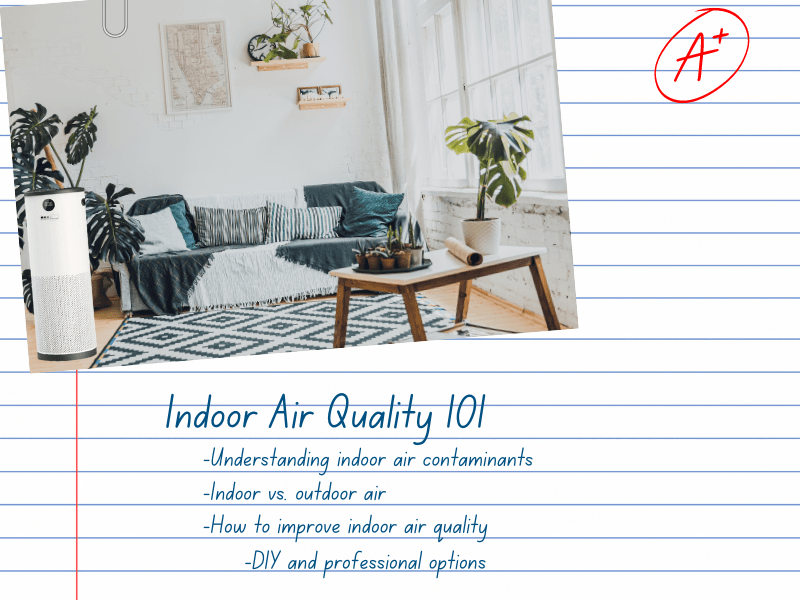
In a world where we spend a significant amount of time indoors, ensuring the quality of the air we breathe within our homes is paramount. Indoor air quality (IAQ) plays a crucial role in our health, comfort, and overall well-being. In this blog, we will explore the various contaminants that commonly lurk in indoor air, discuss their impact on health, delve into the differences between indoor and outdoor air quality, and provide actionable steps to enhance IAQ. We’ll also touch on the significance of furnace and air duct cleaning, high-quality air filters, electronic air cleaners, and UVV/UVC light systems in creating a healthier indoor environment.
Understanding Indoor Air Contaminants
Indoor air can harbor a range of contaminants that affect the air we breathe. These contaminants include:
- **Particulate Matter:** These are tiny solid particles and liquid droplets suspended in the air. They can vary in size from large visible particles (dust, pet dander) to ultrafine particles that are not visible to the naked eye.
- **Volatile Organic Compounds (VOCs):** VOCs are emitted as gases from certain solids or liquids. Common sources include cleaning products, paints, adhesives, and furnishings. They can cause short-term health effects and may have long-term implications.
- **Mold and Mildew:** Moist environments can foster the growth of mold and mildew, releasing spores into the air that can trigger allergies and respiratory issues.
- **Radon:** A naturally occurring radioactive gas, radon can seep into homes from the ground and potentially cause lung cancer.
- **Carbon Monoxide (CO):** This odorless, colorless gas is produced by burning fossil fuels and can be deadly in high concentrations.
- **Allergens:** These include pollen, pet dander, and dust mites, which can trigger allergic reactions and exacerbate respiratory conditions.
Particulate Sizes and Health Impact
Particulate matter is classified into different size categories, measured in micrometers (μm):
– PM10: Particles with a diameter of 10 micrometers or smaller, which can irritate the eyes and throat.
– PM2.5: Fine particles with a diameter of 2.5 micrometers or smaller, capable of penetrating deeper into the lungs and bloodstream, causing respiratory issues and exacerbating heart conditions.
– PM0.1: Ultrafine particles with a diameter of 0.1 micrometers or smaller, capable of reaching even deeper into the respiratory system and potentially causing more severe health problems.
Indoor vs. Outdoor Air Quality
Contrary to common belief, indoor air can be significantly more polluted than outdoor air. Modern homes are built to be energy-efficient, which often means they are tightly sealed, trapping pollutants indoors. Additionally, common household activities like cooking, cleaning, and using certain products release pollutants into the air.
Improving Indoor Air Quality
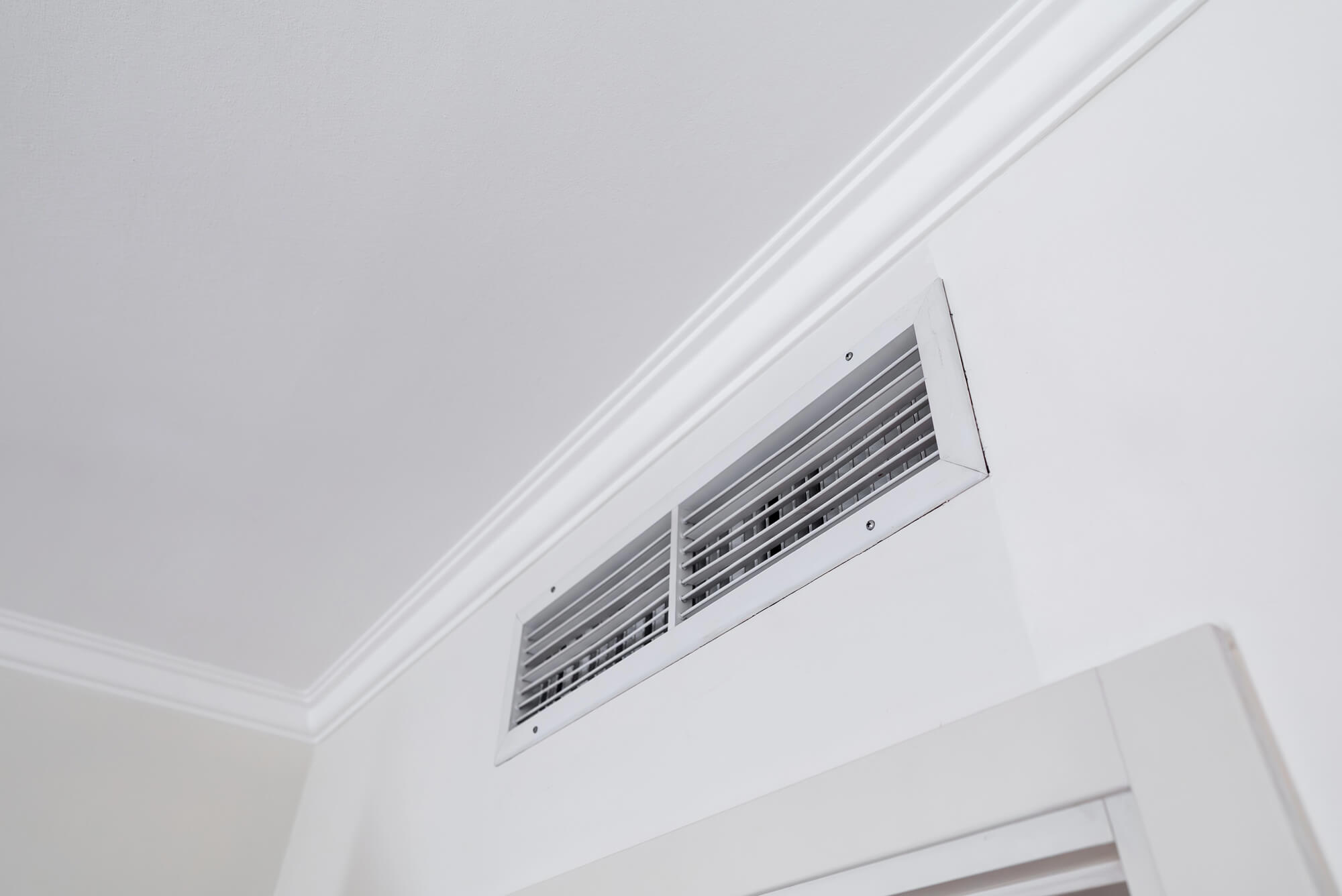
- Ventilation: Regularly bringing in fresh outdoor air can help dilute indoor pollutants. Open windows and use exhaust fans when cooking or bathing.
- Reduce VOCs: Opt for low-VOC or VOC-free paints, cleaning products, and furnishings. Properly store chemicals and products to prevent off-gassing.
- Maintain a Clean Environment: Regular cleaning can reduce dust and allergens. Vacuum with a HEPA filter and wash bedding and curtains frequently.
- Control Humidity: Keep indoor humidity levels between 30-50% to prevent mold growth. Use dehumidifiers if necessary.
- Air Filtration: High-quality air filters with a higher MERV rating can effectively capture airborne particles. Consider HEPA filters for superior filtration.
- Electronic Air Cleaners: These devices use electrical charges to trap particles, enhancing air filtration.
- UVV/UVC Light Systems: UV light systems can neutralize bacteria, viruses, and mold, improving IAQ.
The Role of Furnace and Air Duct Cleaning
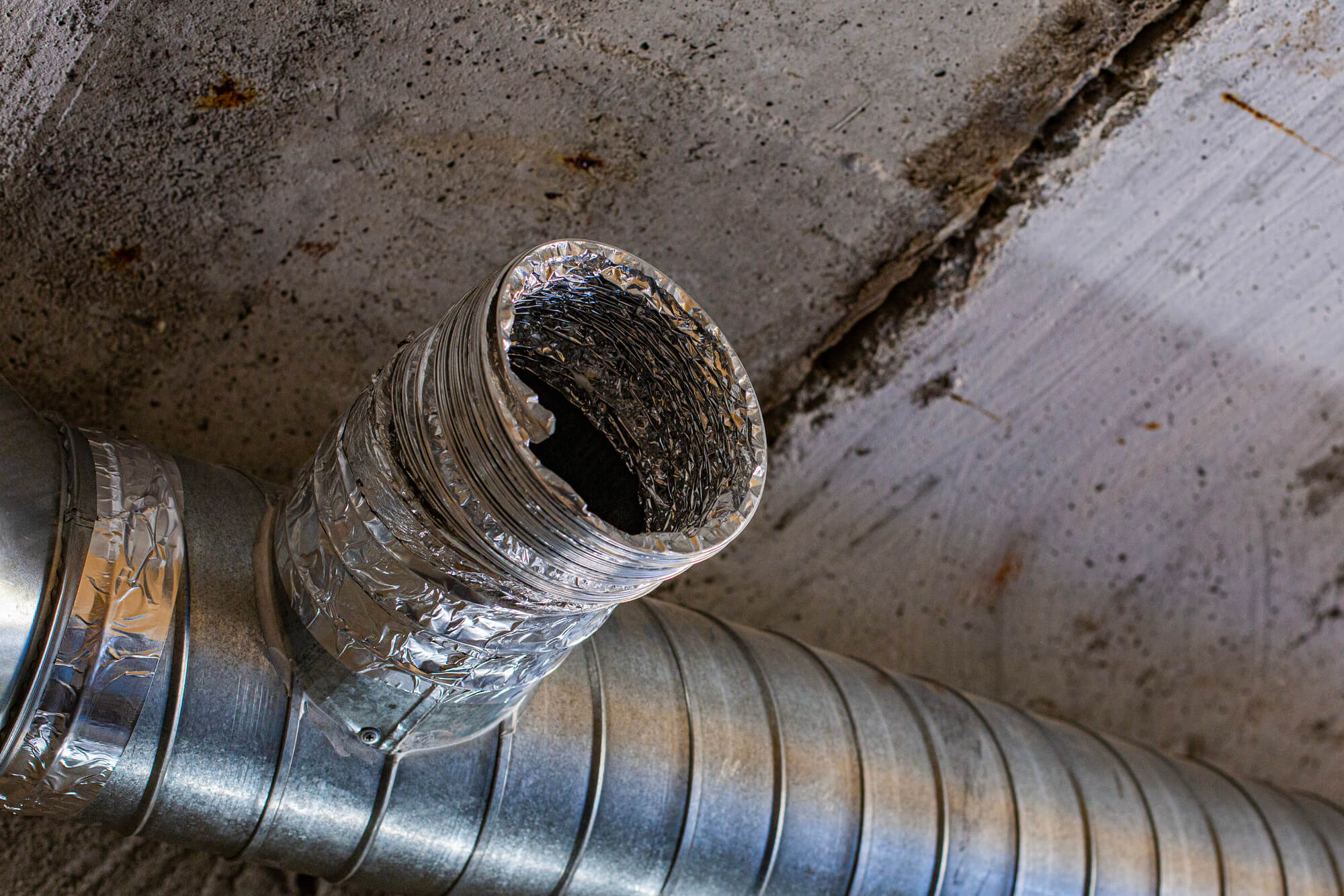
Regular furnace and air duct cleaning are essential to preventing the accumulation of dust, debris, and contaminants in your HVAC system. Dirty air ducts can circulate pollutants throughout your home, affecting air quality and exacerbating respiratory conditions. Professional cleaning helps maintain system efficiency and reduces the risk of pollutants recirculating.
Conclusion
Prioritizing indoor air quality is a vital step toward creating a healthy and comfortable home environment. Understanding common contaminants, their impact on health, and the steps you can take to mitigate them empowers you to breathe easier. From simple practices like proper ventilation and cleaning to investing in advanced air filtration solutions and UV light systems, you have the tools to improve IAQ and enhance your overall quality of life. By embracing these measures, you’re taking proactive steps to ensure that the air you and your loved ones breathe is clean, fresh, and conducive to well-being.