Buying a new home often comes with the expectation of a clean, healthy indoor environment. Fresh paint, new flooring, and modern construction can create the impression that mold isn’t a concern. Unfortunately, that assumption can be misleading.
Even newly built homes can contain airborne molds, hidden moisture problems, and mold spores that compromise indoor air quality before homeowners even move in. That’s why mold detection air quality testing is a critical part of responsible new home ownership.
Read on as we’ll explore how including mold testing during air quality testing helps identify hidden risks early, before health complaints, structural damage, or costly remediation measures become necessary.
Why Mold Is a Real Risk in New Homes
Modern homes are built tighter than ever to improve energy efficiency. While this helps reduce energy loss, it also limits natural ventilation and can trap moisture inside the indoor environment.
During construction, moisture can enter from:
- Rain exposure before the building is fully sealed
- Wet building materials that don’t dry properly
- Storm water run-off around foundations
- Improper drainage or grading
Once moisture intrusion occurs, mold spores can settle and grow quietly—often out of sight.
Common Types of Mold Found Indoors
Professional mold inspections frequently detect multiple types of molds inside homes, including:
- Aspergillus
- Penicillium
- Cladosporium
- Stachybotrys chartarum (commonly referred to as black mold or toxic mold)
Some molds are classified as toxigenic molds, capable of producing mycotoxins that pose elevated health risks when inhaled over time.
Common Causes of Mold Growth in New Homes
New homes aren’t immune to mold issues despite their modern construction. The perfect storm of airtight designs and potential moisture intrusion creates an ideal environment for mold growth.
Moisture Problems and Water Entry
Mold needs moisture to grow. In new homes, common moisture sources include:
- Roof leaks
- Basement flooding
- Poorly sealed windows or doors
- Plumbing leaks behind walls
- Moisture intrusion from foundations
Even small moisture issues can lead to mold particles developing behind drywall, under flooring, or inside wall cavities.
Construction and Design-Related Moisture Issues
Moisture problems are often linked to:
- Inadequate ventilation
- Improper HVAC balancing
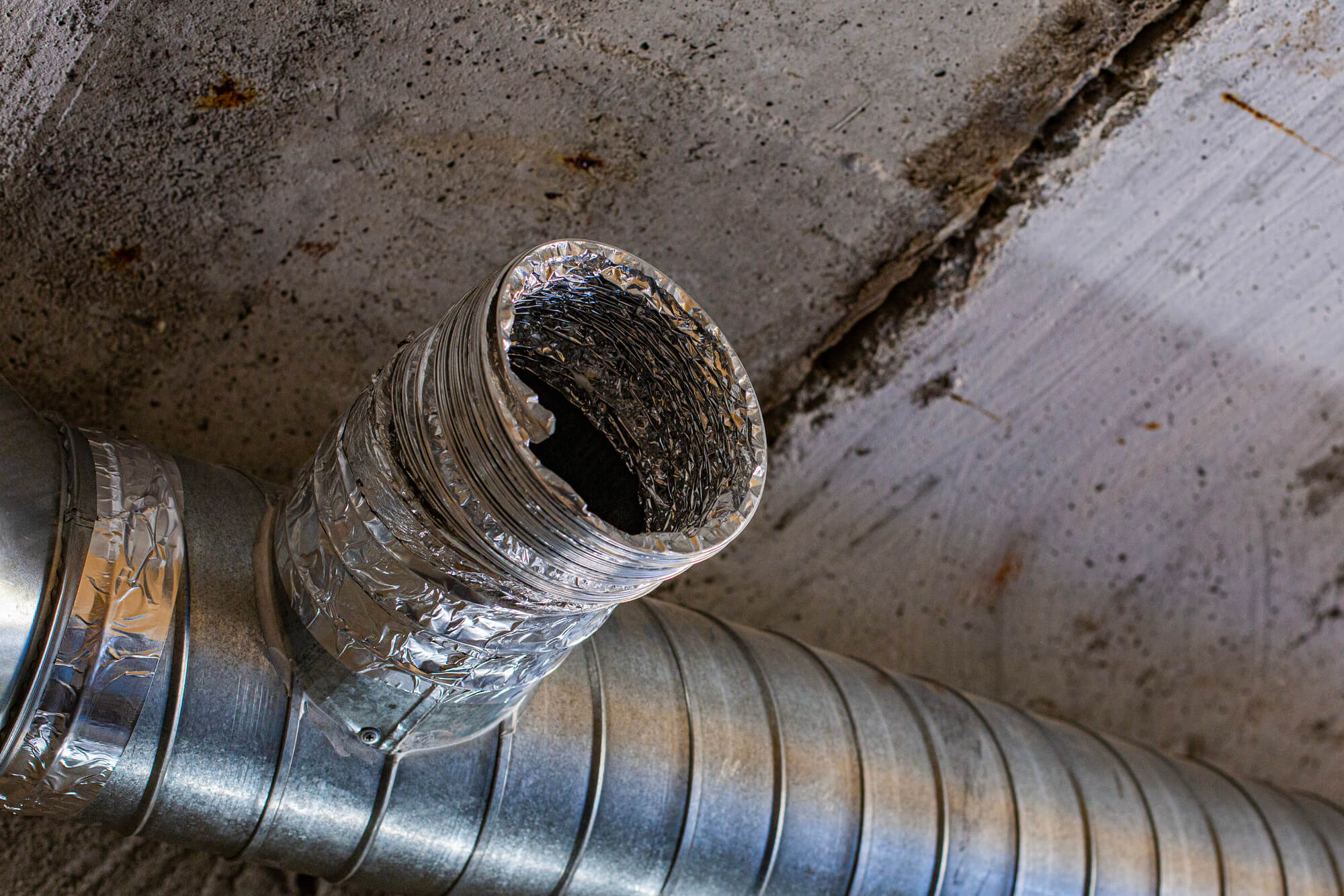
- Condensation inside ductwork
- Incomplete drying during construction
When moisture lingers, it creates ideal conditions for viable molds and non-living molds to accumulate.
The Health Risks of Mold Exposure Indoors
Mold doesn’t just cause musty odors or unpleasant sights on walls. They can have unhealthy consequences on indoor air quality and the health of every person (and pets!) breathing that air.
Mold Spores, Air Pollutants, and Health Symptoms
Mold spores are microscopic airborne particles that circulate easily through a home. When inhaled, they can contribute to:
- Respiratory issues
- Chronic coughing or wheezing
- Headaches and fatigue
- Allergy-like symptoms
- Other unexplained health complaints
In homes with toxic mold or elevated mycotoxins, symptoms may be more severe or persistent.
Long-Term Indoor Air Quality Concerns
Mold contamination affects more than comfort. It degrades indoor air quality and introduces ongoing air pollutants, including:
- Airborne spores
- Mold fragments
- Volatile organic compounds (VOCs) are released during mold growth
These contaminants can settle into dust, creating long-term exposure risks within the indoor environment.
Why Mold Detection Must Be Part of Air Quality Testing
Visual inspection alone is not enough. A visual inspection can identify obvious mold growth, but many mold problems remain hidden. Mold may exist:
- Behind walls
- Beneath flooring
- Inside ceilings
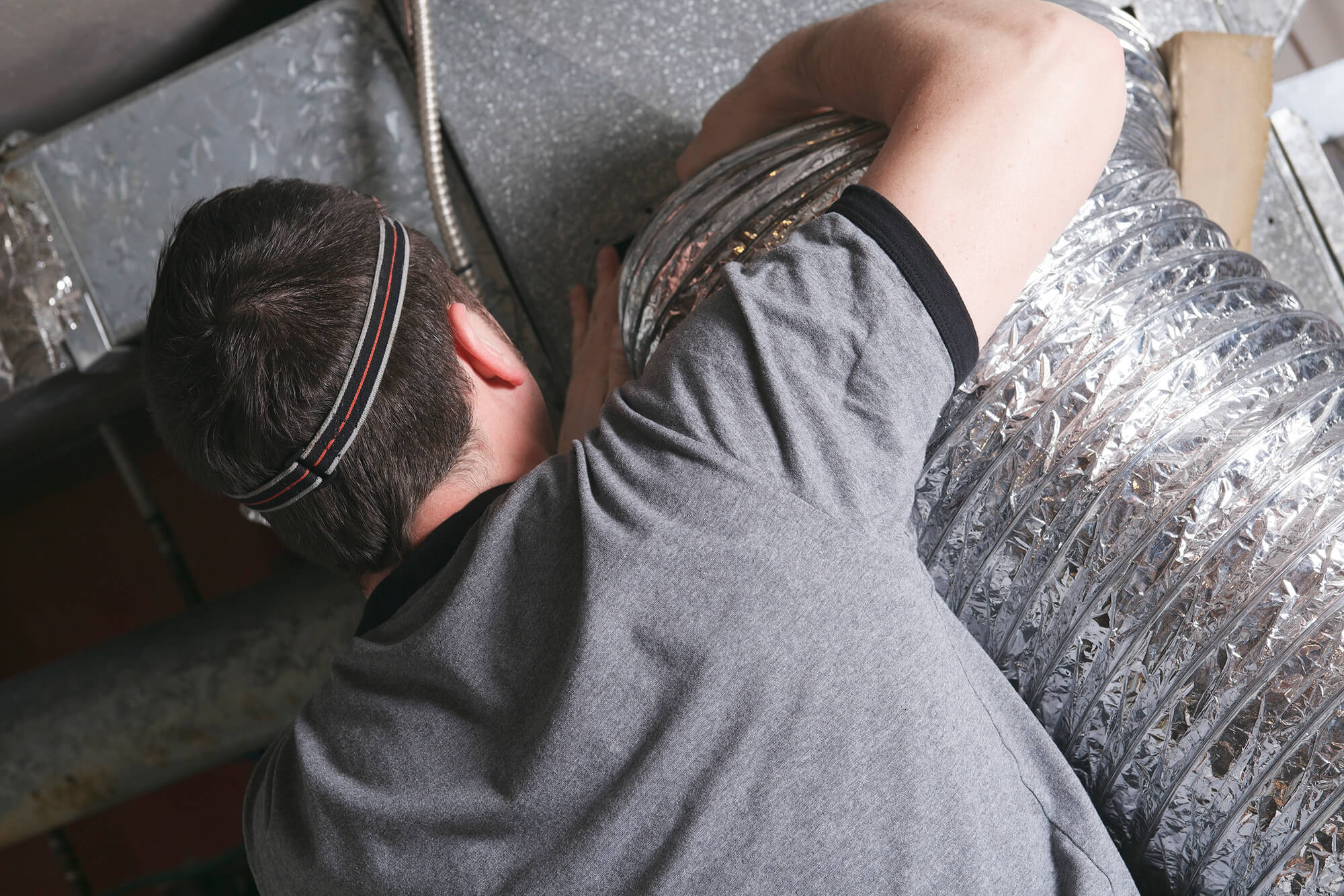
- Within HVAC systems
That’s why professional mold detection relies on mold test methods beyond what the eye can see.
How Mold Air Quality Testing Works
Mold air quality testing evaluates airborne mold spores using specialized tools, including:
- Air sampling pumps
- Spore trap technology
- Airborne particle devices
- Particulate matter measurement (PM2.5)
These tests provide a snap-shot estimate of mold concentration in the air, and help identify abnormal conditions.
Mold Testing Methods Used in Professional Inspections
There are two main ways professionals can carry out mold tests in a building.
Air Sampling and Mold Tests
Air samples are collected indoors and outdoors to compare spore levels. Results are reported as colony-forming units (CFUs), helping identify:
- Elevated mold spore counts
- Presence of airborne molds
- Differences between indoor and outdoor air quality
Surface Samples and Advanced Tools
When needed, inspectors may also use:
- Surface samples
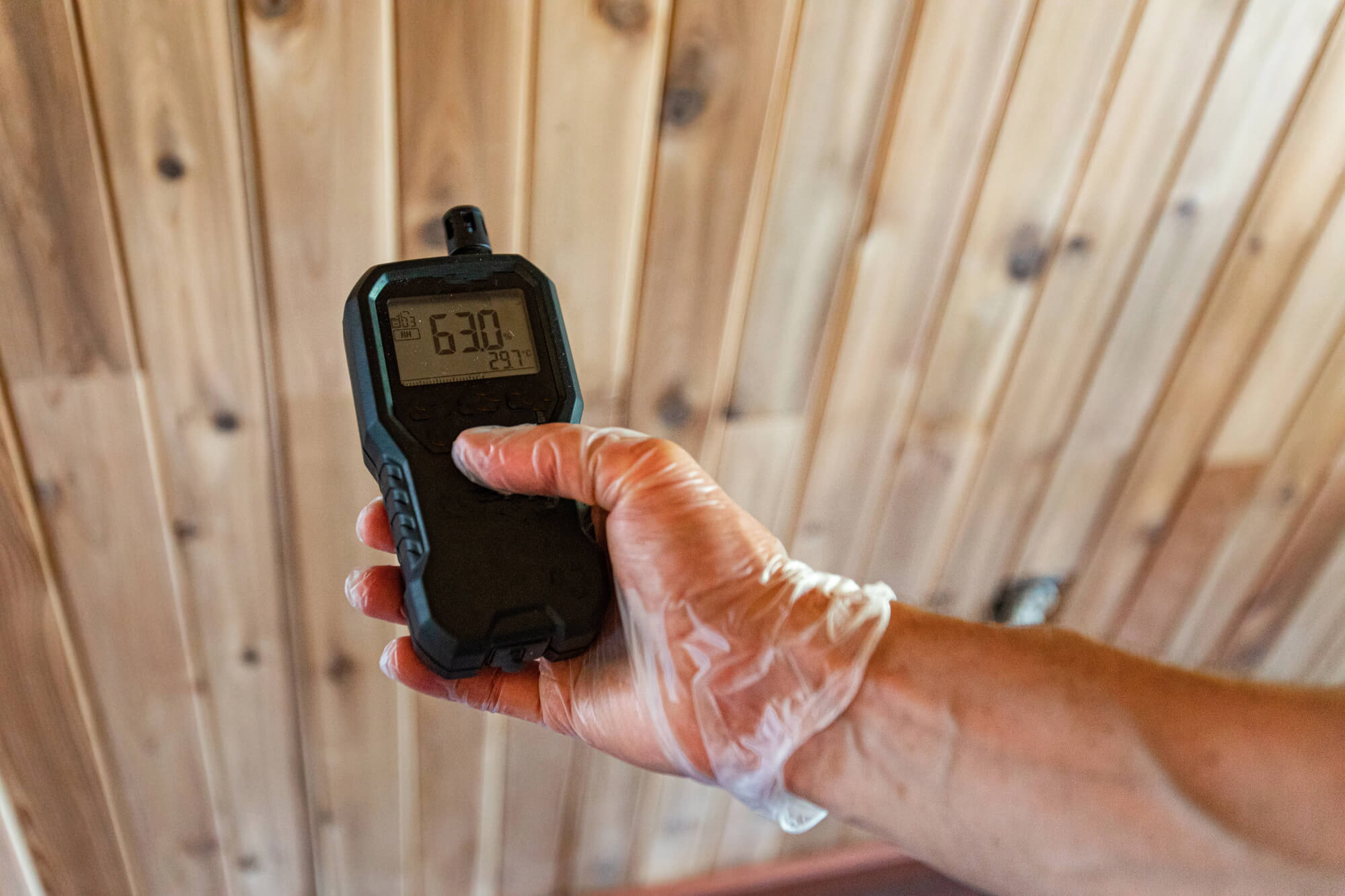
- Infrared cameras to detect hidden moisture
- Moisture meters
- Settled dust analysis
These testing methods help pinpoint moisture sources and areas requiring remediation.

From Mold Testing to Action: What Comes Next
After mold testing is completed and air sampling or surface samples are collected, processed in a lab, and return a positive result for mold spores or mold contamination, the next step is understanding what those test results mean for your indoor air quality and environment.
Whether testing reveals visible mold growth, hidden indoor mold growth, or airborne mold particles, interpreting results correctly helps determine the right course of action to protect your home and health.
When Mold Remediation Is Necessary
If mold tests confirm elevated mold spores, toxic molds, or specific mold species such as stachybotrys chartarum (commonly known as black mold), mold remediation may be recommended.
Remediation strategies focus on:
- Removing contaminated building materials and surfaces where mold growing is present
- Controlling moisture sources such as water damage, excess moisture, or damp conditions that allow mold growth
- Preventing future mold growth by addressing root causes within the indoor space
In many cases, indoor mold growth is not always visible, and certain molds or toxigenic species may produce mycotoxins that pose health risks. This makes professional remediation essential when dangerous mold problems are detected.
Mold Prevention and Long-Term Protection
Effective mold prevention focuses on managing moisture and maintaining healthy indoor air quality.
Key strategies include:
- Fixing roof leaks, water damage, and other moisture problems that contribute to mold contamination
- Managing humidity levels using ventilation systems, air purifiers, and air quality monitors
- Addressing moisture intrusion at the source using moisture meters and professional inspection methods
- Post-remediation testing to confirm negative findings and ensure mold spores and contamination have been effectively removed
Early detection and prevention help reduce the likelihood of major restoration projects and protect the building structure over time.
How Mold Detection Protects Homeowners
Including mold detection as part of air quality testing provides a full range of insights into indoor air and potential contamination risks.
Benefits include:
- Identifying hidden mold problems before they become severe
- Protecting occupant health from exposure to mold particles, dust, and airborne spores
- Preventing costly remediation and long-term damage to building materials
- Preserving property value and maintaining a safe indoor environment
- Providing peace of mind through accurate analysis and professional testing methods
New homeowners benefit from clarity—not assumptions—about their indoor air quality and overall home condition.
Why Homeowners Choose Modern PURAIR®
Modern PURAIR offers more than basic mold testing kits or simple reports. Their team of professionals goes beyond standard testing to help homeowners understand other factors that influence air quality and mold growth indoors.
Trusted Mold Inspections and Air Quality Expertise
Modern PURAIR® provides professional mold inspections and air testing services designed to detect, identify, and analyze mold contamination early.
Their approach includes:
- Visual inspection to identify signs such as a musty smell, visible mold growth, or damp areas
- Advanced air sampling to collect samples of airborne mold spores and particles
- Moisture analysis using specialized equipment to determine problem areas
- Clear reporting that helps homeowners understand results, including whether mold is present at normal or concerning levels
This comprehensive testing process ensures accurate interpretation of results and helps determine whether remediation is necessarily required.
A Complete Indoor Air Quality Solution
Modern PURAIR doesn’t just identify issues—they help homeowners take action.
Their services include:
- Guidance on next steps after mold testing, whether remediation, monitoring, or prevention
- Recommendations for improving indoor air quality through ventilation, humidity control, and filtration
- Support in addressing contamination across multiple surfaces and other locations within the house
- Solutions designed to protect long-term health and reduce exposure to harmful mold spores and toxins
Mold Detection Is Essential for New Homes
New homes are not immune to mold problems. Mold spores, moisture issues, and airborne contaminants can exist indoors long before visible signs appear.
For example, construction materials, dust, or humidity trapped during the building process can create conditions for mold growth without immediate detection.
Including mold detection in air quality testing during new home inspections helps:
- Detect hidden mold contamination early
- Identify moisture problems before they worsen
- Ensure a safe indoor environment for occupants
- Protect both property value and occupant health
Book an indoor air quality test with Modern PURAIR®, trusted by thousands of homeowners to detect mold, analyze air quality, and provide solutions that protect your home and health.
Clean air. We live and breathe it.®