You notice it right away.
Last night’s cooking is still lingering in the kitchen. Smoke drifting in from outside. A musty smell near the basement. Even clean laundry sitting in your closet can sometimes carry a stale odor that makes you question your indoor air quality.
Opening windows helps. Lighting candles masks it. But neither truly solves the problem.
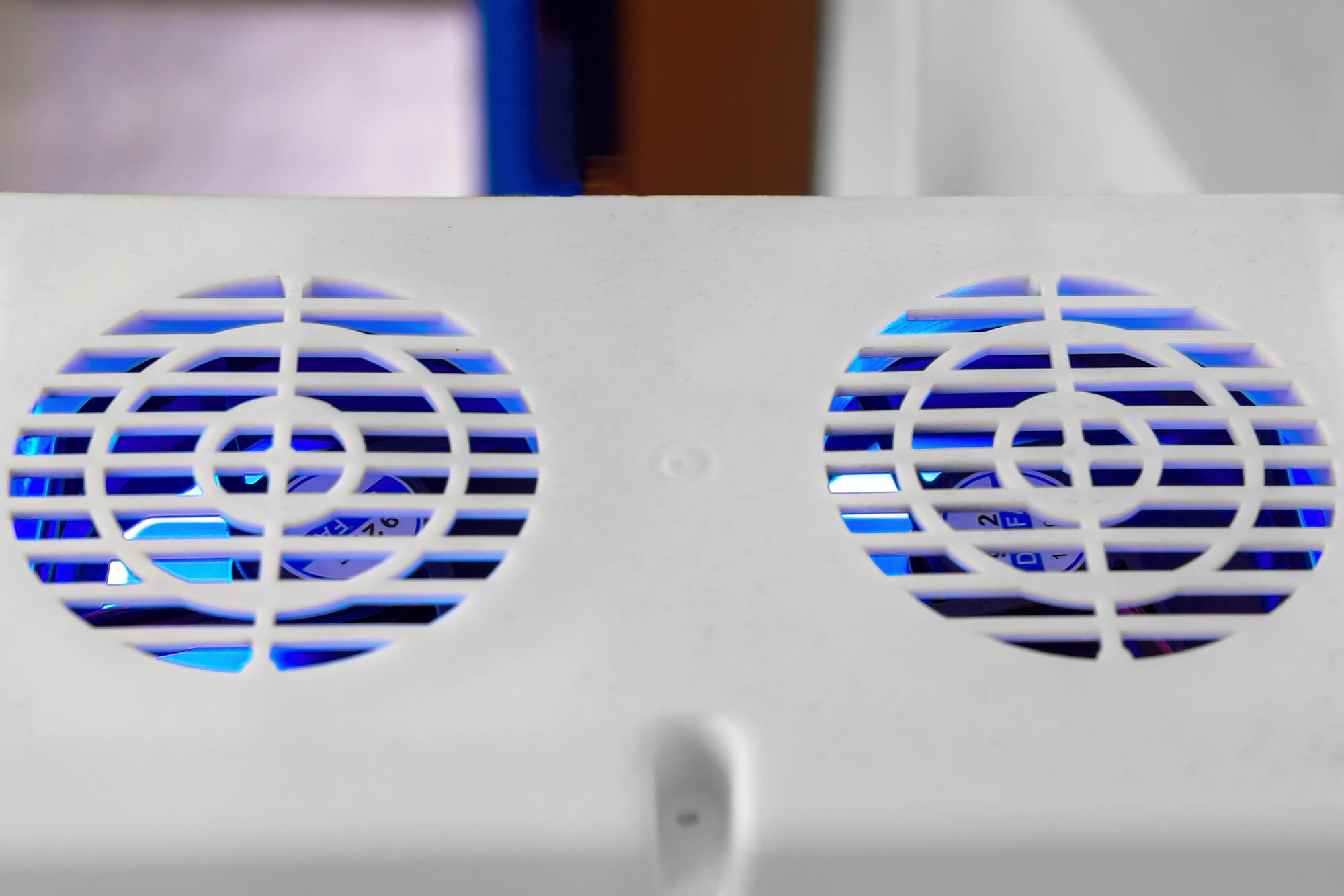
Understanding how activated carbon filters remove odors can help you move from masking smells to eliminating them at the molecular level. These specialized carbon filters target gas-phase pollutants that basic furnace filters and even some air purifiers simply let pass through.
Let’s take a closer look at how activated carbon works, and why it plays such an important role in breathing clean air.
Why “Clean” Air Can Still Smell Wrong
Air can look clean because dust and airborne particles have been removed, yet it still smells unpleasant.
That’s because many odors are caused by gases, not visible particles.
Standard HVAC systems using MERV 8 media or pleated backing filters are designed to trap:
- Dust
- Pet dander
- Mold spores
- Smoke particles
- Airborne particles like PM2.5 and PM1
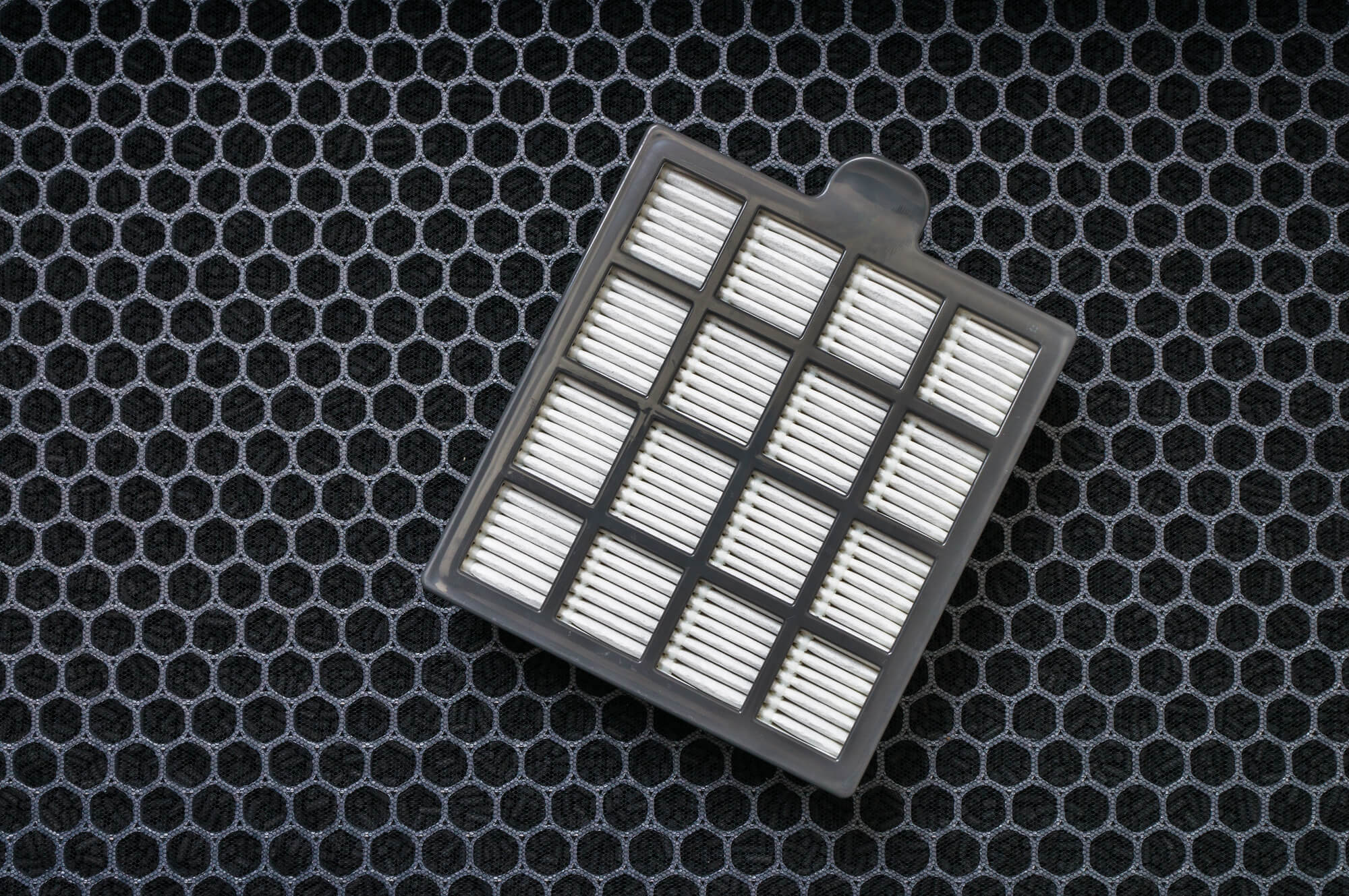
HEPA filters and HEPA purifiers excel at removing fine particles based on particle size. They improve air quality by capturing allergens and microscopic debris.
But gases, including volatile organic compounds (VOCs) and other gas-phase pollutants, pass right through most mechanical filters.
Common sources include:
- Cooking fumes
- Cleaning sprays
- Paint and flooring off-gassing
- Cigarette smoke from smokers
- Mildew and damp areas
- Pet owners’ fabrics and soft surfaces
- Outdoor pollution pulled into HVAC systems
To address these issues, you need a filtration stage designed specifically for gases. That’s where activated carbon filters come in.
What Is Activated Carbon and Why Is It So Effective?
Activated carbon is not just charcoal in a cartridge.
It is carbon that has been processed to create an enormous internal surface area filled with microscopic pores. These porous carbon pieces form a complex pore structure that allows pollutants to cling to the surface.
A single gram of high-quality granular activated carbon can contain hundreds of square meters of surface area. That massive internal space is what makes carbon filtering so powerful.
Not All Carbon Filters Are the Same
Activated carbon can appear in different forms:
- Granular activated carbon
- Carbon pellets
- Thin charcoal filters
- A deep carbon layer inside an activated carbon air filter
- Activated charcoal filter pads
The more carbon mass and depth in the filter, the greater its filter capacity and lifespan.
Thin “carbon-treated” filters often contain very little filter media. A true activated carbon air filter contains a substantial carbon bed designed for serious odor and pollutant removal.
How Activated Carbon Air Filters Remove Odors, Step-by-Step
Now, let’s break down exactly how activated carbon filters in air purifiers remove odors inside homes and commercial environments.
Step 1: Contaminated Air Moves Through the Carbon Layer
Air purifiers and HVAC systems pull indoor air through the filter.
Proper airflow and sealing are critical. If air bypasses the carbon layer, contaminants remain untreated. When airflow is balanced correctly, gas-phase pollutants pass through the carbon bed for treatment.
Step 2: Adsorption Happens at the Molecular Level
Activated carbon works through adsorption, not absorption.
Adsorption means odor molecules stick to the carbon’s surface rather than being soaked into it like a sponge.
As air flows through:
- Volatile organic compounds collide with the carbon surface
- Gas molecules adhere to the pore structure
- Weak electrical forces hold them in place
- Some treated media use ion exchange or chemical reactions to enhance removal
This process removes:
- Smoke odors
- Cooking smells
- Volatile organic compounds
- Gas-phase pollutants
- Pet odors
- Certain chemicals, like trihalomethane vapors
The result? Noticeably improved indoor air quality.
Step 3: Cleaner Air Circulates Back Into Your Environment
After passing through the activated carbon filter, cleaner air returns to your living or working space.
When paired with a HEPA filter or mechanical filter in air purifiers, you get both:
- Particle removal (dust, pet dander, mold spores)
- Gas removal (odors, VOCs, fumes)
Together, this combination supports healthier air quality and overall health.
What Activated Carbon Filters Remove-And What They Don’t
Activated carbon filters are highly effective for:
- Smoke from smokers or wildfires
- Cooking and grease odors
- Mildew smells
- Pet odors
- Volatile organic chemicals
- Radon in some specialized applications
- Chemical off-gassing
However, activated carbon alone does not remove:
- Carbon monoxide
- Heavy metals
- Microbiological contaminants in water
- Large airborne particles
For water contaminants like heavy metals, tap water impurities, or bad taste, other water filter systems, such as reverse osmosis, green sand filtration, or an under-sink filter, may be required.
Some water systems use carbon filtration at the point of entry to improve water flow and reduce odors, but that’s separate from air filtration applications.
The key takeaway: carbon filters specialize in gas-phase removal.
Activated Carbon vs HEPA Filters: Why You Often Need Both
HEPA filters capture airborne particles based on particle size. They are rated by metrics like CADR and designed to remove PM2.5 and PM1 particles efficiently.
Activated carbon filters focus on gases.
Think of it this way:
- HEPA = solid particle specialist
- Activated carbon = gas specialist
When combined inside high-performance air purifiers or integrated HVAC systems, they create a more complete indoor air quality solution.
Real-World Performance: Airflow, Humidity, and Filter Lifespan
Activated carbon performance depends on more than just the media itself.
Three major factors influence results:
- Airflow speed and contact time
- Humidity levels
- Proper installation without bypass
If air moves too quickly, gases have less time to adhere to the carbon surface. High humidity can compete with VOCs for pore space.
Understanding Filter Saturation and Replacement
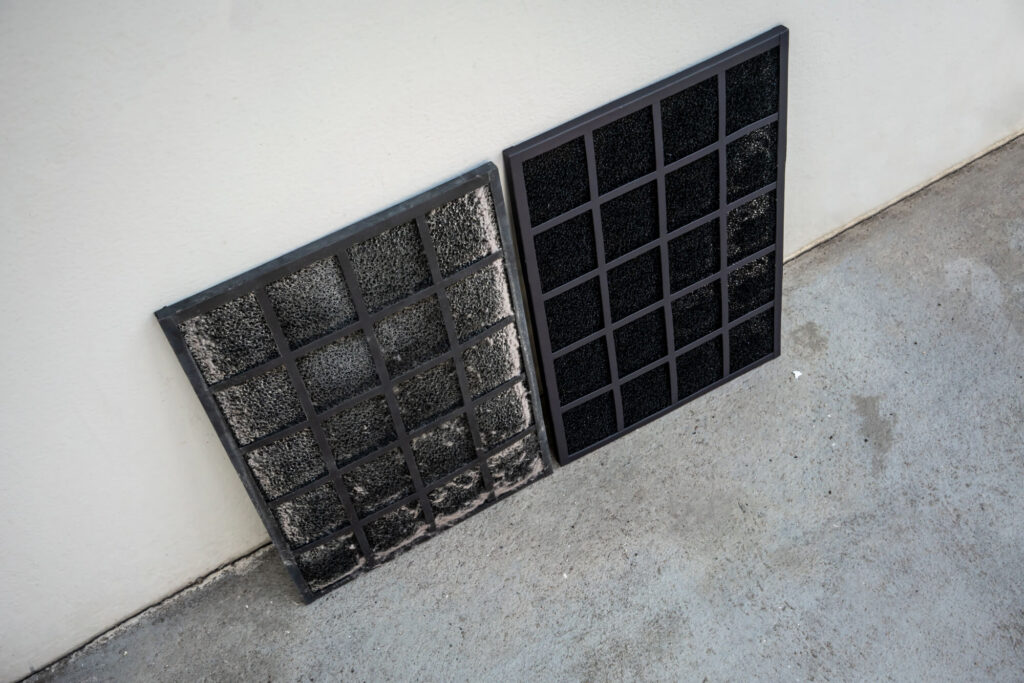
Over time, the carbon layer becomes saturated. The filter may still look clean, but its adsorption sites are full.
Signs you may need filter replacement include:
- Odors lingering longer
- Reduced odor control
- Stale-smelling rooms
Most activated carbon filters require replacement every 3–6 months, depending on usage, pollution levels, and filter capacity.
Delaying filter replacement shortens effectiveness and can reduce confidence in your system.
Can You Build a DIY Activated Carbon Air Filter?
Some homeowners experiment with a DIY activated carbon air filter using carbon pellets and fans.
While this may provide limited odor reduction, it often lacks:
- Proper sealing
- Controlled airflow
- Measured CADR performance
- Reliable filter lifespan tracking
For consistent indoor air quality improvement, professionally designed systems perform more reliably.
How Modern PURAIR® Supports Cleaner Indoor Air
If your home or commercial property struggles with persistent odors, simply adding a filter may not solve the root issue.
Modern PURAIR® evaluates:
- HVAC systems
- Ductwork airflow
- Existing filtration
- Air quality indicators
- Source contamination
In some cases, Modern PURAIR’s advanced duct cleaning, combined with HEPA and activated carbon solutions, provides the most effective improvement.
Rather than masking odors, the goal is to reduce contaminants at their source and improve breathable, clean air in the long term.
Don’t Mask Odors. Remove Them.
Odors are signals.
They tell you something is circulating through your indoor environment, whether it’s smoke, volatile organic compounds, mildew, or everyday contaminants.
Now that you know how activated carbon filters remove odors, you can choose smarter air purification strategies. When combined with proper airflow, mechanical filtration, and timely filter replacement, activated carbon can dramatically improve how your space smells and feels.
If your air feels “off,” it may be time to book a structured indoor air quality assessment.
Breathe clean. Breathe healthy. Breathe PURAIR®.