Indoor air quality has become a growing priority for both homeowners and businesses. As people spend more time indoors, concerns around airborne pathogens, airborne bacteria, and airborne contaminants have pushed air purification technology beyond basic air filters.
Germicidal air purification represents one of the most advanced approaches to improving air quality by actively neutralizing airborne germs rather than simply trapping particles.
At Modern PURAIR®, germicidal air purification is offered as part of a comprehensive air purification system designed to work seamlessly with residential and commercial HVAC systems.
What Is Germicidal Air Purification?
Germicidal air purification is an advanced air treatment method that uses ultraviolet light to reduce microorganisms circulating through indoor air.
Unlike standard air purifiers that focus only on capturing airborne particles, germicidal air purifiers are designed to inactivate airborne pathogens, airborne bacteria, and viruses at the molecular level. These systems are typically installed directly within an HVAC duct system or air conditioning system, allowing them to treat air continuously as it circulates.
How Germicidal Air Purification Works
At the core of germicidal air purifiers is ultraviolet germicidal irradiation, a well-established technology used in medical, laboratory, and commercial environments for decades.
The Science Behind Germicidal Ultraviolet Irradiation
Germicidal ultraviolet irradiation uses UV-C light to disrupt the DNA and RNA of microorganisms. When airborne germs pass through air purifiers with UV-C light, they lose their ability to reproduce and spread. This process, known as germicidal irradiation, is highly effective against a wide range of airborne pathogens.
UV-C light operates at a specific wavelength that makes it lethal to microorganisms while remaining safe when properly contained within HVAC equipment.
Germicidal UV Light Inside HVAC Systems
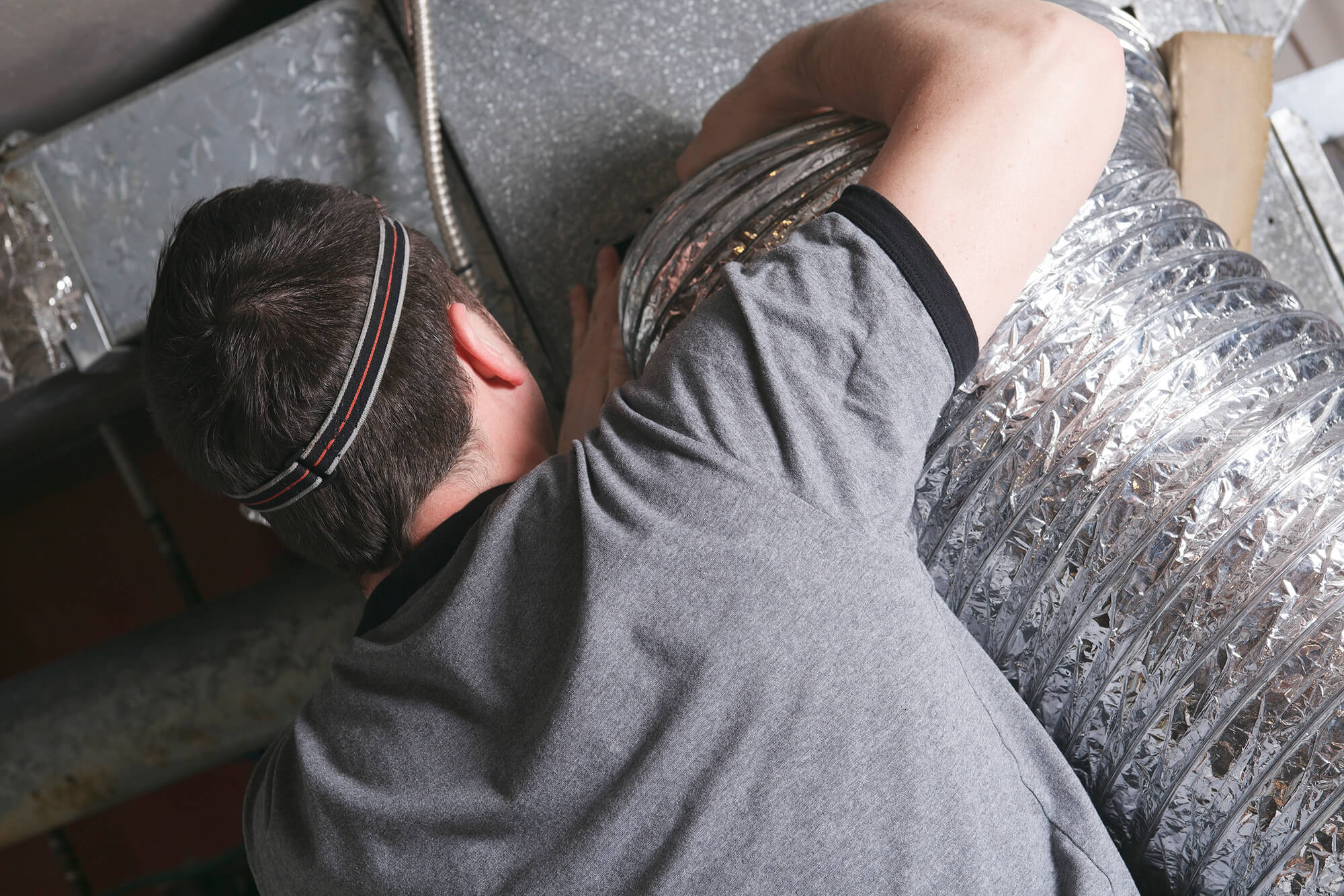
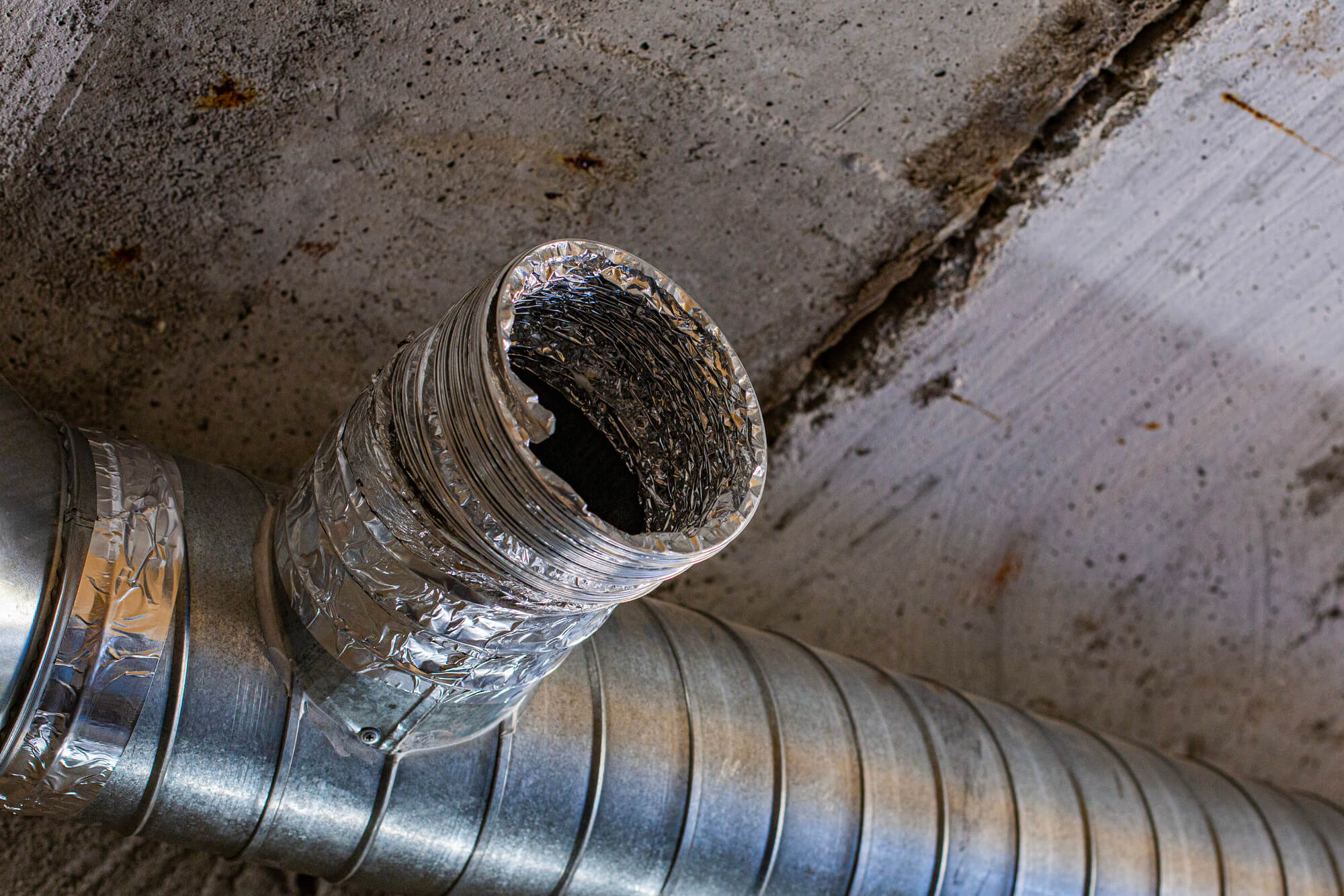
In HVAC-integrated systems, UV air purifiers use a UVC germicidal lamp or UV-C lamp system installed inside the air handler or ductwork. As air moves through the forced-air system, it passes through ultraviolet light, providing continuous treatment of airborne contaminants.
These systems operate quietly and automatically as part of the building’s normal heating and cooling cycle.
Key Components of a Germicidal Air Purification System
Germicidal air purification works best when combined with multiple complementary technologies.
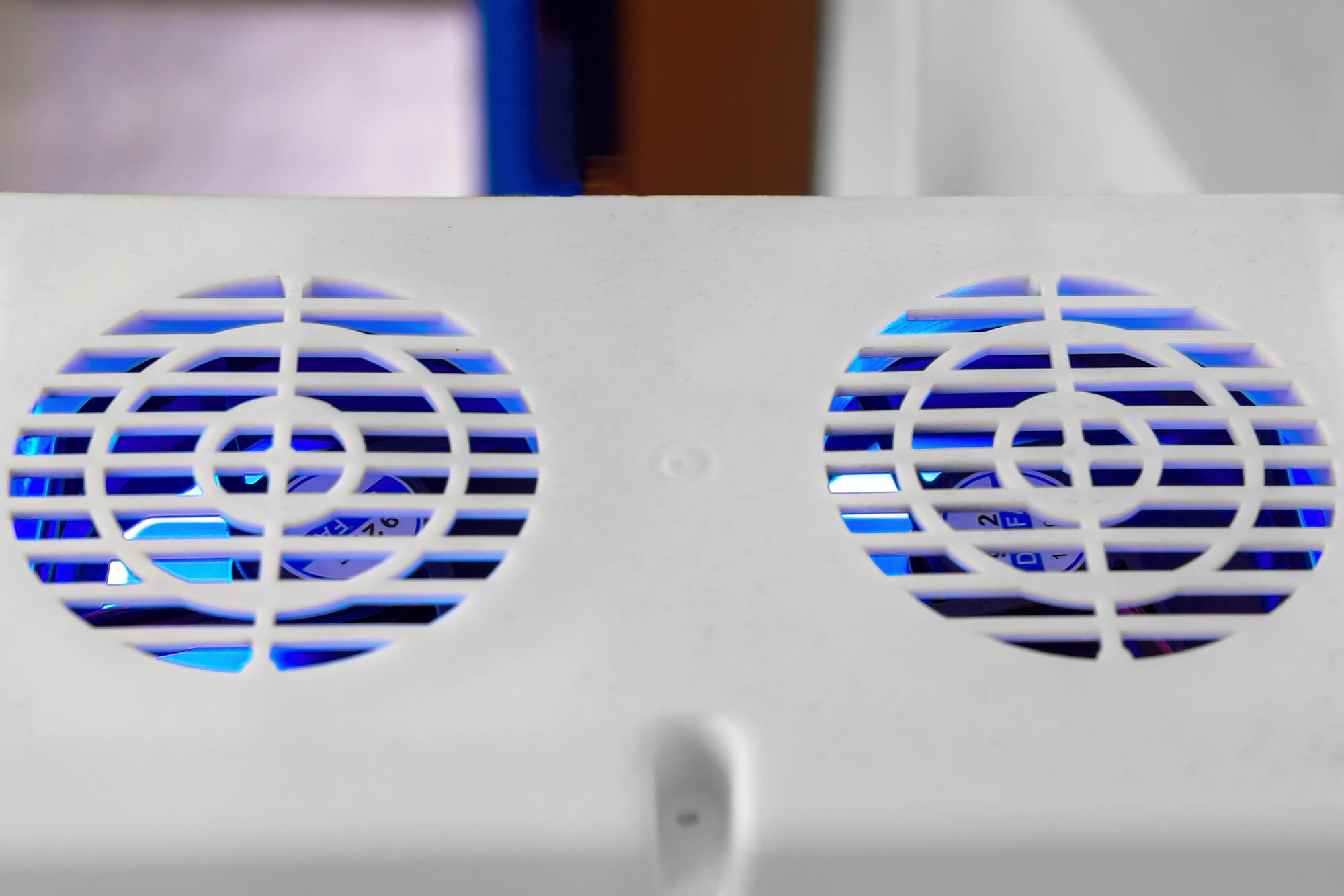
Germicidal UV Light Air Purifiers and UV-C Lamp Systems
Germicidal UV light air purifiers rely on UV-C lamp systems to neutralize airborne disease transmission risks. These lamps may also be referred to as germicidal ultraviolet, germicidal UV, UV germicidal light, or just UV air purifiers, depending on the application.
Modern systems are engineered to deliver consistent UV exposure without producing harmful byproducts.
HEPA Filters and Particle Removal
While UVC light neutralizes microorganisms, HEPA filters play a critical role in capturing airborne particles such as dust, pollen, and fine debris. Together, UV and HEPA technologies help move toward a dust-free indoor air quality environment.
Activated Carbon and Gas Control
Activated carbon filters remove odors, gases, and volatile organic compounds (VOCs). Activated carbon filters work alongside UV and HEPA air filters to create a more complete air quality management solution.
What Germicidal Air Purification Targets
Understanding what these systems address helps explain their growing popularity.
Airborne Pathogens and Germs
Germicidal UV light targets:
- Airborne pathogens
- Airborne bacteria
- Airborne germs linked to illness
Because they reduce the number of circulating microorganisms, these systems support healthier indoor environments.
Airborne Contaminants and Pollutants
In addition to biological threats, germicidal air purification systems help manage airborne pollutants, fine particles, and contaminants that impact overall air quality and comfort.
Addressing Ozone and Safety Concerns
Safety is one of the most common questions surrounding UV air purifiers.
Ozone Generators vs. UV Germicidal Irradiation
Some air purifiers rely on ozone generators, which intentionally produce ozone gas in an attempt to purify the air. However, it takes large amounts of ozone for those air purifiers to truly be effective, and at those high levels, ozone emissions can irritate the lungs and are not recommended for occupied spaces.
Modern PURAIR® does not use ozone generators.
Other types of air purifiers also indirectly release ozone as a byproduct of ionizers and electrostatic precipitators. These air purifiers use static electricity to pull particles out of the air in an attempt to purify it; however, the process generates ozone as well.
Properly designed UV air treatment systems use ozone-free UV germicidal lamps, do not release ozone gas into indoor environments, and are much more effective at actually eliminating harmful pathogens and particles.
Guidance from Health Authorities
Organizations such as the Centers for Disease Control and Prevention recognize ultraviolet germicidal irradiation as a proven technology when properly applied.
Professionally installed systems ensure UV-C germicidal light remains contained within HVAC equipment, protecting occupants.
Benefits of Germicidal Air Purification
When integrated correctly, systems with germicidal UV air purifiers offer multiple benefits beyond basic filtration.
Improved Indoor Air Quality
Germicidal systems significantly improve indoor air quality and support long-term air quality management by reducing airborne disease transmission risks and neutralizing airborne contaminants through their effective UV air purifiers.
Health and Comfort Support
Cleaner air can help reduce allergy symptoms, respiratory irritation, and illness-related disruptions. This is especially valuable in shared indoor environments.
HVAC System Protection and Performance
UV germicidal light helps keep HVAC coils and components cleaner, supporting better airflow, system efficiency, and longer equipment life.
Residential and Commercial Applications
Germicidal air purification is adaptable across environments.
Whole-Home and Residential Systems
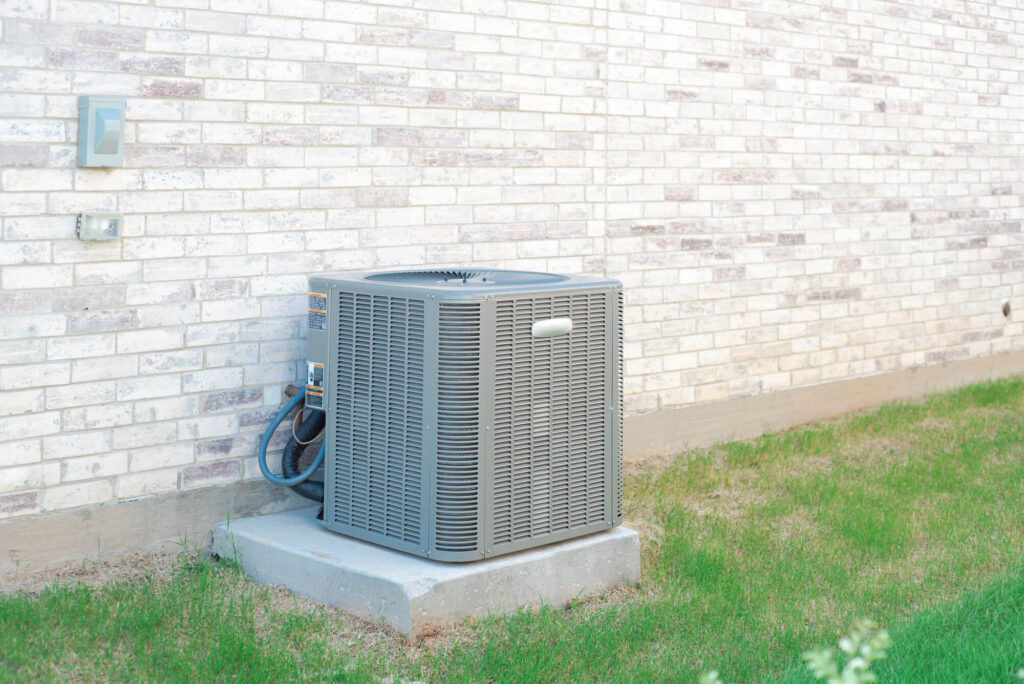
In homes, these systems integrate with residential climate control systems, whole-house air filtration systems, and HVAC duct systems to treat all circulated air.
Commercial and Shared Spaces
In offices, healthcare settings, and multi-unit buildings, germicidal air purifiers help manage shared-air exposure and maintain consistent air quality indicators.
Why Professional Installation Matters
Germicidal air purification systems deliver the best results when they are properly designed, positioned, and integrated into the HVAC system. While the technology itself is proven, effectiveness depends heavily on professional planning and installation.
Key reasons professional installation matters include:
- Correct UV placement within the HVAC system: Germicidal UV light must be positioned to ensure sufficient exposure time as air moves through the HVAC duct system. Poor placement of a UVC germicidal lamp can reduce effectiveness, leave sections of ductwork untreated, or interfere with airflow.
- Proper lamp sizing and system matching: Every forced air system and air conditioning system has different airflow rates, runtimes, and duct dimensions. UV-C lamp systems must be sized correctly to match the HVAC equipment, preventing underperformance or unnecessary energy use.
- Safe and effective system integration: Germicidal UV light works best alongside high-quality air filters, HEPA filters, activated carbon filters, and scheduled filter change reminders. Trained experts ensure these components work together safely, efficiently, and in accordance with manufacturer and industry standards.
Professional installation ensures the system delivers consistent indoor air quality improvements while protecting HVAC performance and long-term reliability.
Why Choose Modern PURAIR® for Germicidal Air Purification
Modern PURAIR® provides professionally engineered germicidal air purification solutions tailored for both residential and commercial environments.
What sets Modern PURAIR® apart includes:
- Integrated, whole-system design
Our solutions combine germicidal UV light, HEPA filtration, activated carbon, and airflow optimization to address airborne pathogens, airborne pollutants, and airborne contaminants at their source. - Expertise across residential and commercial HVAC systems
From residential climate control systems to large-scale commercial HVAC duct systems, our team applies proven expertise to ensure reliable performance and measurable air quality improvements. - Tailored solutions for every building: Rather than offering one-size-fits-all products, we design complete air purification systems that align with each building’s HVAC system, occupancy needs, and indoor air quality goals.
- Ozone-free, safety-first technology
We use ozone-free UV technology and follow best practices to ensure systems improve air quality without introducing ozone emissions or other unwanted byproducts.
With Modern PURAIR®, clients gain a long-term air quality management partner focused on safety, efficiency, and healthier indoor environments, not just a single piece of equipment.
A Smarter Way to Protect Indoor Air
Think of germicidal air purification more as an advanced enhancement to your air duct system, and not as a replacement for filtration. These systems combine UV-C light, high-efficiency filters, and professional design to offer a proactive approach to protecting indoor air quality.
If you’re exploring next-generation air purification for your home or business, contact your nearest Modern PURAIR® location to help you identify the right solution for your space.
Clean air. Smarter systems. Healthier indoor environments.