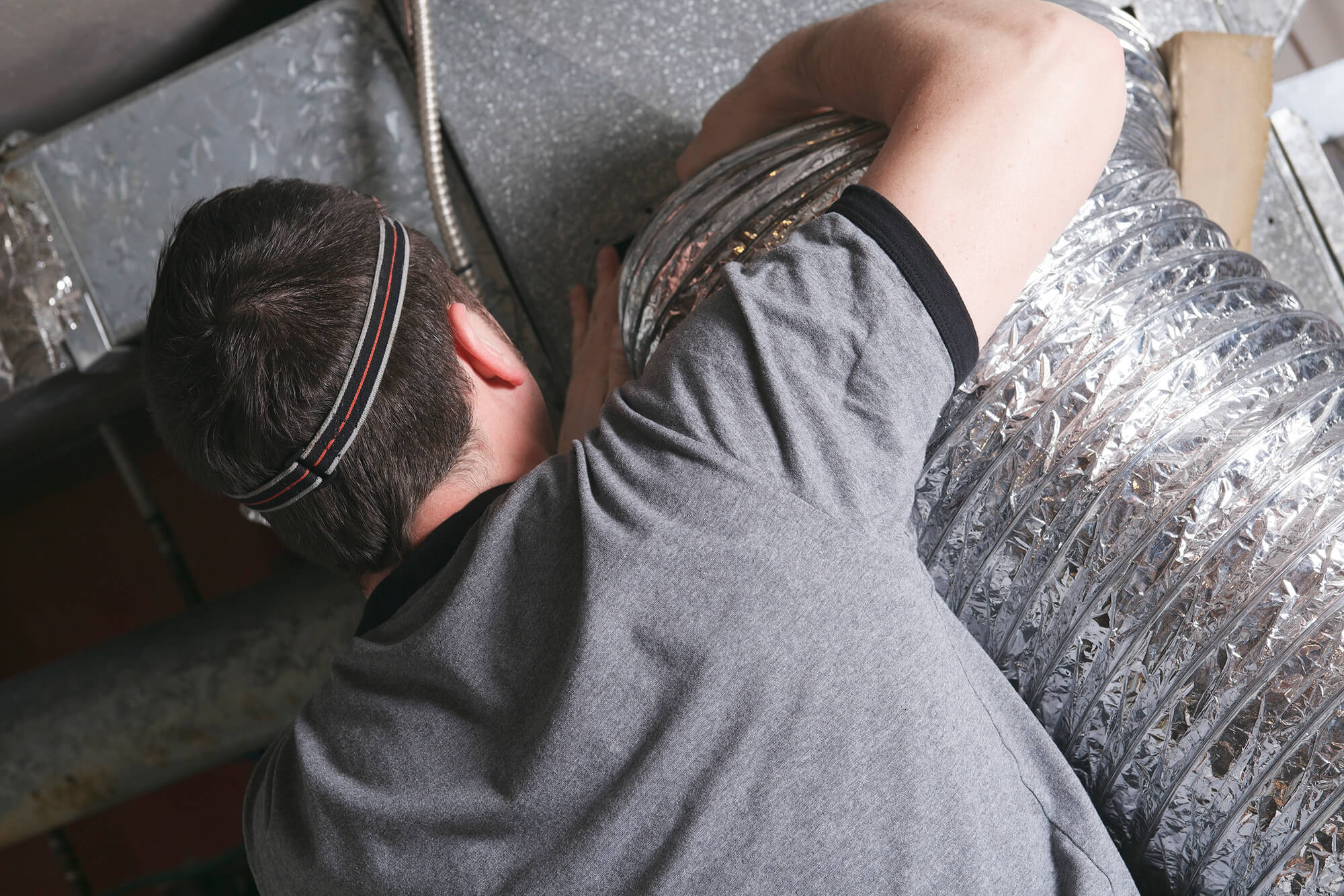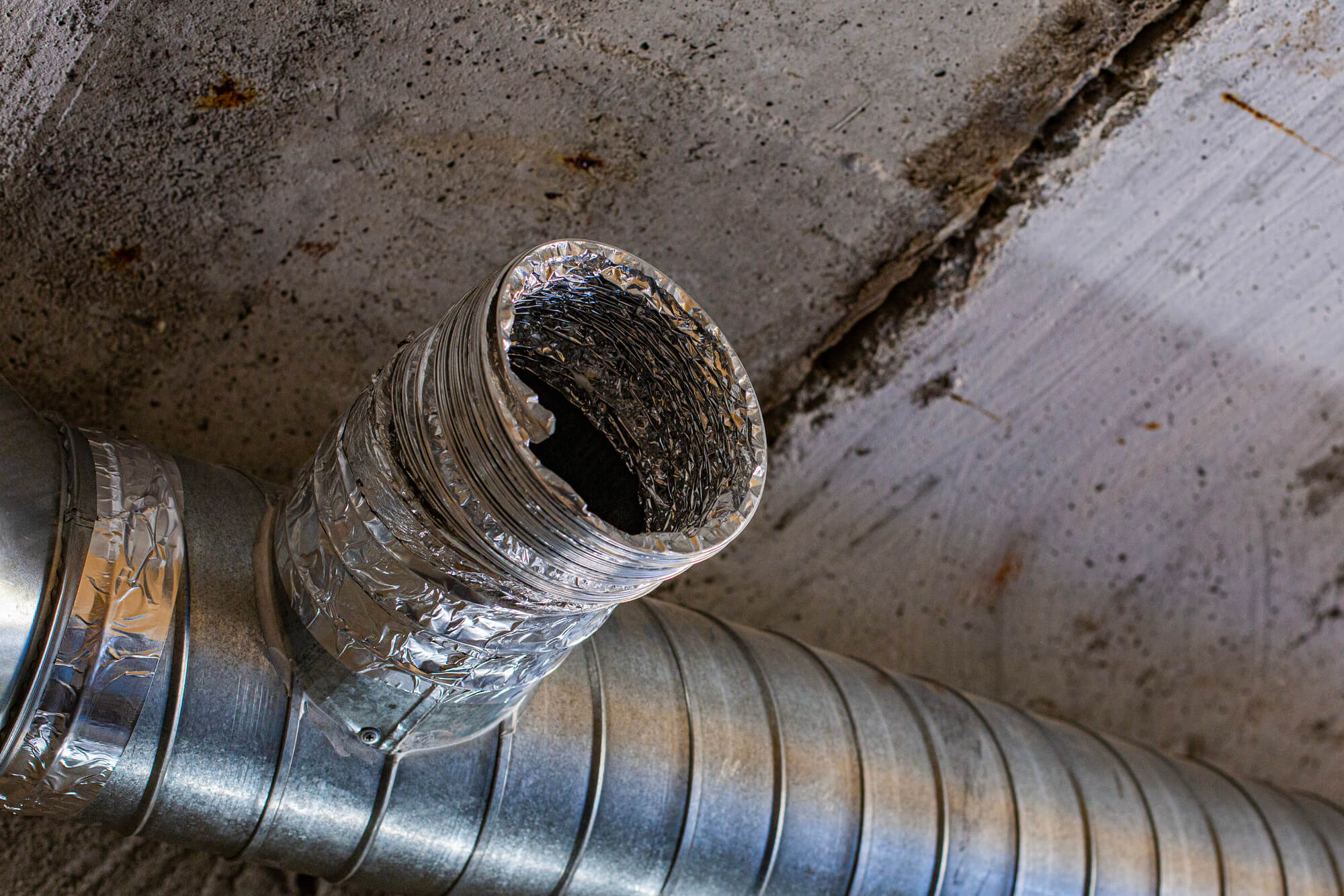
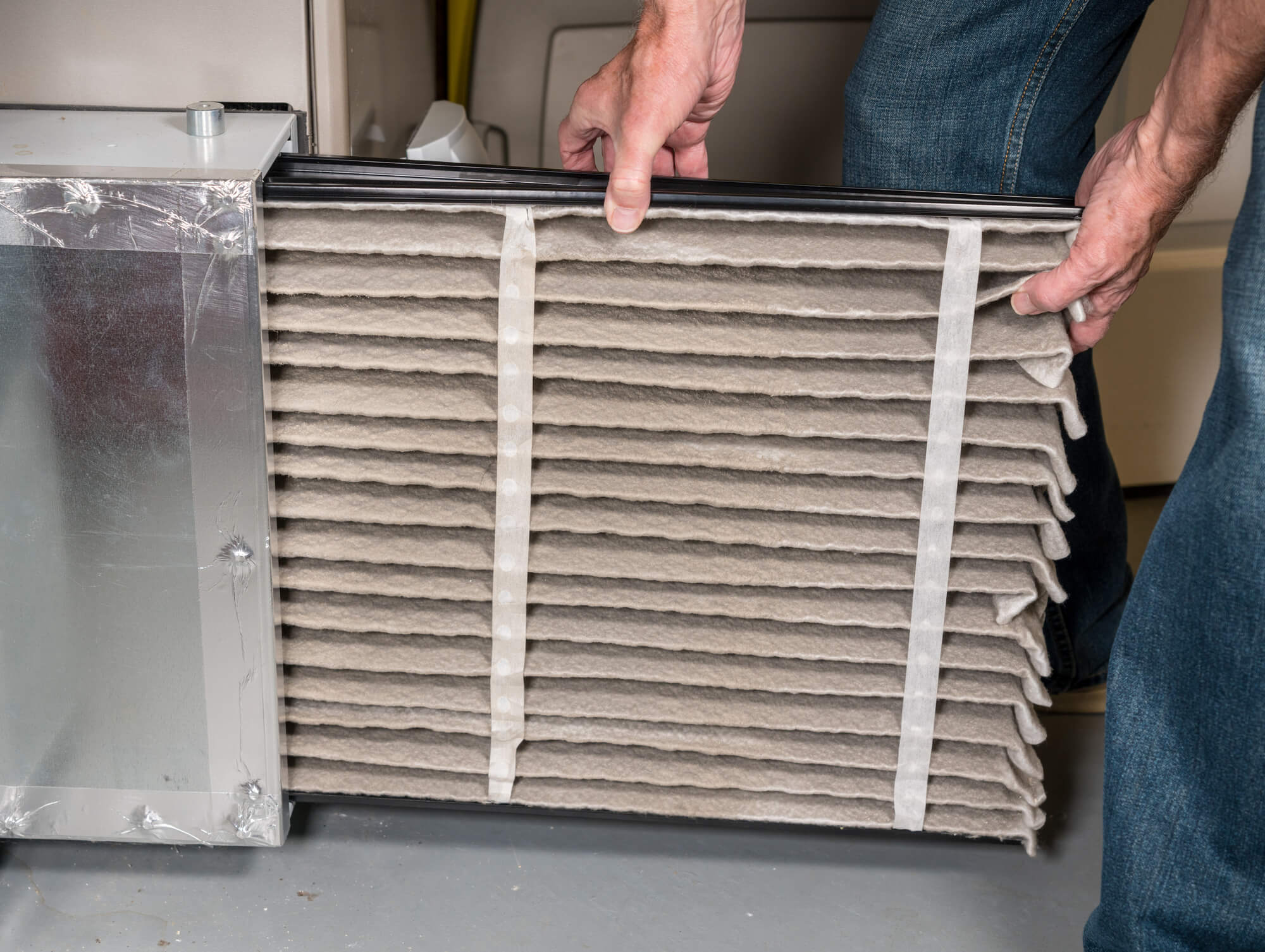
HVAC duct cleaning in senior living facilities requires more planning than a typical commercial HVAC cleaning project. These buildings operate around the clock, house residents with varying medical and comfort needs, and leave little room for unnecessary disruption.
A well-planned HVAC duct-cleaning project for senior living facilities supports cleaner HVAC systems while accounting for occupied spaces, resident routines, infection-prevention requirements, and proper documentation. Although air duct cleaning does not replace ventilation, filtration systems, humidity control, or clinical protocols, it plays an important role in a comprehensive building maintenance program focused on indoor air quality and system performance.
This guide explains what makes HVAC duct cleaning in senior living facilities different, how to plan the work responsibly, and how to build a repeatable maintenance process that leadership, inspectors, medical staff, residents, and families can trust.
Why HVAC Duct Cleaning Is Different in Senior Living Facilities
Senior living facilities, assisted living facilities, retirement homes, and long-term care centers have unique HVAC maintenance requirements. Residents often spend most of their time indoors, many are medically vulnerable, and the HVAC system operates continuously to maintain comfort and temperature control.
Over time, dust, allergens, and other airborne contaminants can accumulate throughout the air duct system, including supply ducts, return ducts, air duct registers, and other accessible HVAC system components. While these materials do not automatically affect occupant health, excessive buildup can contribute to indoor cleanliness concerns and place additional strain on HVAC equipment if left unaddressed.
Because of these factors, HVAC maintenance decisions should be coordinated with facility managers, environmental services, and infection-prevention teams whenever work affects occupied resident areas.
Residents Spend More Time Indoors
Several factors make HVAC hygiene especially important in senior living environments:
- Residents spend much of the day indoors, relying on consistent air circulation and ventilation.
- Many residents live with asthma, respiratory problems, cardiovascular conditions, or other health concerns that make indoor comfort particularly important.
- Buildings operate 24 hours a day, leaving few opportunities for extended system shutdowns.
Together, these realities make preventative air duct cleaning an important component of an overall building maintenance strategy designed to support reliable operation and cleaner indoor environments.
Guidance on indoor air quality from organizations such as the World Health Organization notes that people who spend most of their time indoors are more exposed to pollutants carried in indoor and recirculated air, and resources from groups like the American Lung Association explain how particle pollution can worsen COPD and cardiovascular disease for people with fragile lungs.
HVAC Maintenance Must Support a 24/7 Care Environment
Walk through a senior living facility or retirement home, and you’ll quickly notice that the building itself supports resident care. Therapy rooms, dining areas, common spaces, and resident suites all depend on the HVAC system to provide consistent airflow and comfortable temperatures throughout the day.
When residents or staff notice excessive dust, stale air, or recurring comfort issues, those concerns often become part of a broader discussion about the facility’s maintenance standards. Families notice these details as well, frequently associating the indoor environment’s condition with the overall quality of care their loved ones receive.
Regulators, surveyors, and facility reviewers may also evaluate maintenance documentation, responses to occupant concerns, and HVAC maintenance records during inspections.
Having a documented air duct cleaning program demonstrates that facility teams follow a consistent process for maintaining HVAC cleanliness rather than responding only after complaints arise.
Viewing HVAC maintenance as part of the overall care environment changes the objective.
Rather than scheduling a one-time cleaning, senior living or medical facilities establish a documented maintenance strategy that supports long-term system performance, accountability, and cleaner indoor air quality.
How HVAC Duct Cleaning Supports Senior Living Facility Maintenance
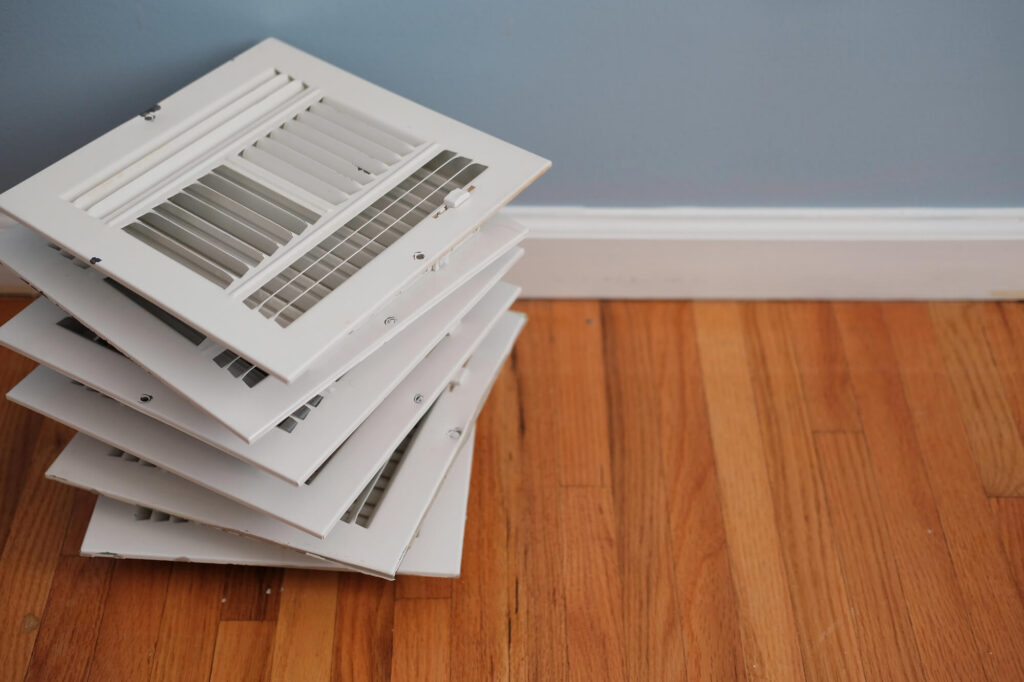
HVAC duct cleaning in senior living facilities helps remove:
- Accumulated dust
- Mold contamination
- Allergens
- Other airborne particles
From accessible components within the HVAC system.
Think of air duct cleaning as maintaining the infrastructure that supports your HVAC system and establishes a cleaner baseline for ongoing building maintenance. When combined with regular filter replacements, coil cleaning, and preventative HVAC maintenance, it helps facilities keep equipment operating efficiently while supporting better indoor air quality.
What HVAC Duct Cleaning Removes
Over time, materials naturally accumulate throughout an air duct system, especially in facilities that operate continuously.
Depending on the building’s age, maintenance history, and HVAC design, technicians may find:
- Household and textile fibers
- Dust and dirt buildup
- Skin particles
- Hair and pet dander
- Renovation or construction debris
- Airborne particulate that settles within accessible ductwork
- Debris around supply ducts, return ducts, air duct registers, and air handler components
- Material associated with unresolved moisture issues
If moisture is present, technicians may also identify conditions that warrant additional investigation for mold contamination or mold spores. Addressing the underlying moisture source remains the priority before any additional remediation is considered.
Air Duct Cleaning Is Only One Part of HVAC Maintenance
Even the most thorough HVAC cleaning cannot replace a complete maintenance program.
Long-term HVAC performance depends on multiple systems working together, including:
- Scheduled air filter inspections and filter replacements
- Coil cleaning, including evaporator coils and other air handler components
- Drain pan inspection and cleaning
- Proper ventilation and balanced air circulation
- Routine equipment inspections
- Preventative building maintenance programs
When these systems work together, living facilities and retirement homes can better manage dust accumulation, improve energy-efficient operation, and maintain more consistent indoor comfort throughout the building.
How the PUR CURx® Contact Cleaning System Works
The cleaning method matters just as much as the cleaning itself.
Modern PURAIR® uses its proprietary PUR CURx® Contact Cleaning Scrub System, which mechanically contacts accessible interior duct surfaces instead of relying solely on compressed air or high-powered vacuum suction.
For facility managers, this provides a clearly defined cleaning process that can be:
- Scoped before work begins
- Documented throughout the project
- Verified after completion
Combined with camera inspection and before-and-after video documentation, facility teams receive visual confirmation of the work performed instead of relying on verbal assurances alone.
This documentation also helps support maintenance records, capital planning, and communication with leadership.
What HVAC Duct Cleaning Does Not Replace
It is equally important to understand what air duct cleaning cannot do.
HVAC duct cleaning does not replace:
- Proper ventilation design
- Air purifiers or filtration systems
- Scheduled filter replacements
- Humidity management
- Clinical infection-prevention protocols
- Surface cleaning and disinfection
- Medical or public health procedures
- Routine HVAC inspections
Rather, duct cleaning supports these existing systems by helping maintain cleaner HVAC components and reducing unnecessary debris within accessible ductwork.
Maintaining realistic expectations builds trust with facility leadership while reinforcing that HVAC cleanliness is one part of a larger indoor air quality strategy.
Evaluating Antimicrobial Treatments and Duct Sealants
Some contractors recommend antimicrobial sprays or internal duct sealants as part of an HVAC cleaning project.
For senior living facilities, assisted living facilities, hospitals, and other medical facilities, these products should be evaluated carefully.
Any treatment should have:
- A clearly defined purpose
- Manufacturer documentation
- Compatibility with the HVAC system
- Approval through facility safety and infection-prevention procedures
In many cases, the most effective long-term approach continues to be:
- Mechanical source removal
- Moisture control
- Proper filtration
- Routine HVAC inspections
- Ongoing preventative maintenance
This conservative strategy minimizes unnecessary chemical use while supporting a cleaner, more predictable HVAC maintenance program.
What An HVAC Duct Cleaning Looks Like In a Senior Living Facility
In occupied senior living facilities, how the work is completed is just as important as what gets cleaned.
Residents remain in the building throughout the project, medical staff continue providing care, and daily routines cannot simply stop while maintenance takes place.
A successful HVAC duct cleaning project minimizes disruption while protecting resident comfort, safety, and dignity.
Pre-Planning With Nursing and Facility Teams
Every successful project begins with careful coordination.
Before work starts, contractors should meet with:
- Facility management
- Nursing leadership
- Infection-prevention personnel
- Environmental services
- Maintenance staff
Together, the team identifies:
- Work zones
- Resident access requirements
- Daily care schedules
- Equipment shutdown needs
- Safety protocols
- Communication plans
Planning these details in advance helps the project move efficiently while reducing unexpected disruptions.
Managing Noise, Dust, and Resident Routines
Residents should experience as little disruption as possible.
A resident-focused project typically includes:
- Clear communication with staff, residents, and families
- Proper dust containment procedures
- Appropriate ventilation controls
- Scheduling work around medication administration, meals, and therapy sessions
- Cleaning one wing or floor at a time whenever practical
These simple measures allow important maintenance to occur without unnecessarily disrupting daily operations.
Documenting the Work
Documentation is an essential part of commercial HVAC cleaning.
Rather than simply stating the work was completed, facilities benefit from receiving:
- Before-and-after video documentation
- Camera inspection images
- Notes identifying cleaned components
- Documentation of inaccessible areas
- Maintenance recommendations when appropriate
Modern PURAIR® emphasizes visible proof of completed work, so facility managers have documentation they can reference during future maintenance planning.
Protecting Resident Dignity During the Project
Senior living communities are people’s homes.
Every project should respect residents’ privacy, routines, and comfort.
That may include:
- Scheduling quieter work around memory-care units
- Increasing housekeeping support in high-traffic areas
- Coordinating closely with nursing or medical staff
- Providing staff with simple answers for resident and family questions
When projects are planned thoughtfully, HVAC maintenance becomes another example of the facility’s commitment to resident care instead of an unnecessary inconvenience.
Building an HVAC Duct Cleaning Program for a Senior Living Facility
The most effective HVAC duct cleaning program for senior living facilities is proactive rather than reactive.
This creates a repeatable process that supports indoor air quality, equipment reliability, and long-term building performance.
Prioritize Areas by Risk and System Condition
Not every area of the building requires the same maintenance schedule.
Facilities should prioritize inspections based on:
- Resident acuity
- HVAC system age
- Maintenance history
- Renovation activity
- Frequent complaints of comfort or respiratory problems
- Visible dust accumulation
- Odor concerns
Areas serving residents with greater clinical needs often warrant earlier inspections than newer or lower-risk areas.
Likewise, older HVAC equipment may require more frequent evaluation than recently upgraded systems.
Use an Inspection Matrix to Set Priorities
Many senior communities, retirement homes, or living facilities benefit from creating a simple inspection matrix.
For example:
| Area | Priority | Recommended Focus |
| Memory care and higher-acuity resident areas | High | Routine inspection, HVAC cleaning when warranted |
| Older HVAC systems | Medium-High | Equipment condition, coil cleaning, filter performance |
| Complaint-prone zones | Medium | Investigate underlying causes before scheduling air duct cleaning |
| Recently renovated areas | Medium | Inspect for construction dust and debris |
Using objective criteria helps maintenance teams allocate resources where they will have the greatest impact.
Set Clear Triggers for Inspection and Cleaning
An effective air duct cleaning program for senior living facilities should rely on inspections and documented conditions, and not arbitrary schedules.
Rather than cleaning ductwork every year regardless of need, facilities should establish clear triggers that indicate when additional inspection or service is appropriate.
Examples include:
- Visible dust or debris inside accessible ductwork
- Evidence of moisture or mold contamination
- Renovation or construction dust
- Recurring indoor air quality or odor complaints
- Reduced HVAC performance
- Restricted airflow or poor air circulation
- Excessive buildup around air duct registers, supply ducts, or return ducts
If concerns are identified, the underlying cause should always be investigated before cleaning begins.
For example, recurring dust may point to damaged ductwork, worn air filters, or improper filter installation rather than dirty ducts alone. Likewise, visible moisture should prompt an inspection for leaks or humidity issues before considering duct cleaning.
A documented review process gives facility managers a clear framework for deciding when maintenance is necessary and why it was performed.
What to Look for in an HVAC Duct Cleaning Provider
Not every commercial HVAC contractor has experience working inside occupied healthcare environments.
When evaluating providers for HVAC duct cleaning in senior living facilities, look for companies that offer a documented, transparent process from start to finish.
A qualified contractor should be able to:
- Clearly define the HVAC system components included in the project
- Explain cleaning methods and containment procedures
- Coordinate work around resident schedules
- Minimize disruption to staff and residents
- Perform camera inspections before and after cleaning
- Provide before-and-after video documentation
- Identify inaccessible or excluded areas
- Explain pricing before work begins
- Review findings and recommendations after the project
Facilities should also consider whether technicians follow recognized industry standards, including those established by the National Air Duct Cleaners Association (NADCA). Working with a NADCA-certified provider helps ensure technicians follow established best practices for commercial air duct cleaning.
Beyond ductwork, an experienced contractor may recommend additional HVAC maintenance services when appropriate, including:
- Coil cleaning
- Air handler inspections
- Filter replacements
- Dryer vent inspection and cleaning to improve dryer efficiency and help reduce the risk of dryer fires
Depending on the building’s needs, facilities may also benefit from additional air quality solutions, such as upgraded filtration systems, portable air purifiers, HEPA Air Purification Systems, or UV lights designed to complement—not replace—routine HVAC maintenance.
At Modern PURAIR®, every project begins with a detailed assessment so facilities understand exactly what work is recommended, why it is being performed, and how the results will be documented.
Connect the Program to Existing Facility Records
The strongest maintenance programs don’t treat HVAC cleaning as an isolated project.
Instead, they connect inspections and completed work to records that facilities already maintain.
This may include:
- Preventative maintenance logs
- Equipment inspections
- Comfort complaints
- Indoor air quality investigations
- Filter replacement schedules
- HVAC repair history
- Building maintenance programs
- Capital planning documentation
Tracking this information over time helps identify patterns that may otherwise go unnoticed.
For example, repeated complaints from the same wing may indicate an airflow imbalance rather than dirty ductwork. Likewise, frequent filter changes in one air handler may suggest an opportunity to investigate duct leakage or other system issues.
Documenting these findings creates a more proactive air duct cleaning and maintenance strategy while giving facility leadership clear records they can reference during budgeting, inspections, and long-term planning.
Rather than viewing air duct cleaning as a one-time expense, organizations can incorporate it into a broader asset management strategy that supports reliable HVAC system performance and cleaner indoor environments.
Bringing Your HVAC Ducts in Line With the Care You Provide
From there, the goal is to make HVAC system cleanliness part of a consistent, documented facility-maintenance process rather than an issue addressed only when complaints arise.
At Modern PURAIR®, we understand the unique challenges of maintaining occupied care environments. Our technicians work closely with facility managers to minimize disruption while delivering transparent, documented results that support long-term HVAC system performance.
Whether you’re planning a preventative maintenance program, addressing renovation dust, or investigating indoor air quality concerns, our team can help you develop a solution tailored to your building, residents, and operational goals.
Contact Modern PURAIR® today to discuss your facility’s HVAC duct-cleaning needs and request a clear, upfront project scope.