The first hot spell hits, the AC turns on, and suddenly you notice things you ignored all winter: extra dust around air vents, stale air, or a musty smell when the system starts running.
Over time, dust, renovation debris, pet hair, and sometimes moisture collect inside air ducts and around the air handler. The key is not to choose air duct cleaning based on scare tactics or cheap coupon offers, but to look at the actual condition of your HVAC system and indoor air before summer starts.
By the end of this guide, you’ll know when duct cleaning before turning on the air conditioner makes sense, when other HVAC maintenance matters more, and how an inspection can help you make a confident decision before heavy cooling use begins.
Signs an Air Duct Cleaning Is Worth Doing Before the Summer
You should seriously consider duct cleaning before turning on the AC for summer when there are clear signs of contamination, not simply because it has “been a while.”
Here are some of the strongest signs that an air duct cleaning may be necessary before heavy air conditioning use:
- Visible mold growth on metal duct surfaces or HVAC components after the moisture issue has been corrected
- Pest activity, such as droppings, nesting material, or damaged insulation near ducts
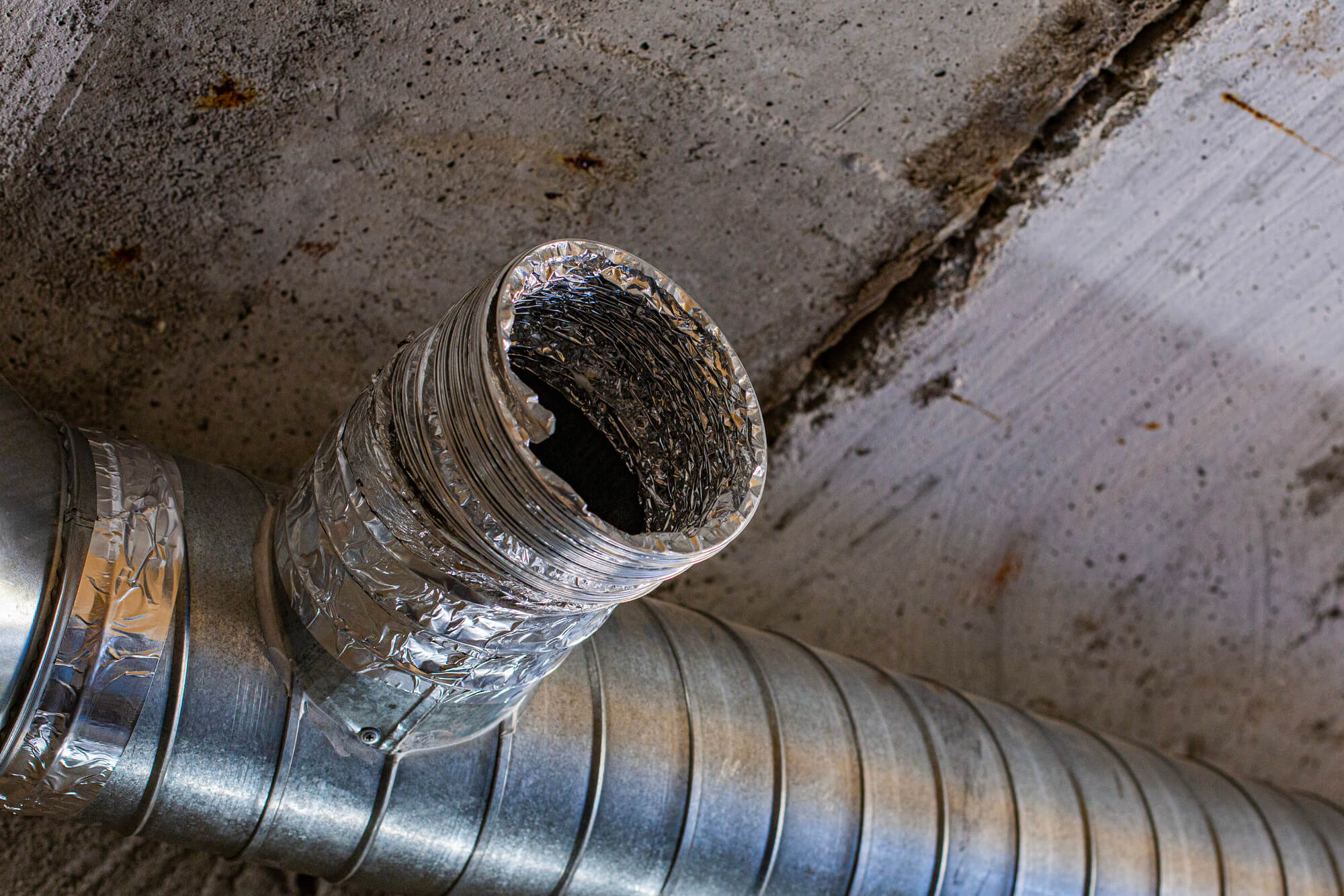
- Dust or debris blowing from the air vents when the duct system starts
- Recent renovations or construction that created large amounts of dust
- Leaks or flooding that may have affected ducts or insulation
- Persistent musty odors when the AC runs
If these issues line up with what you’re seeing in the home, extra dust, odors, or particles coming from vents, an air duct cleaning before summer is usually worth considering.
Should You Schedule An Inspection Before an Air Duct System Cleaning?
Not every home needs full duct cleaning before summer. Sometimes the bigger issue is airflow restriction, air filtration problems, moisture, or HVAC buildup near the furnace and air handler.
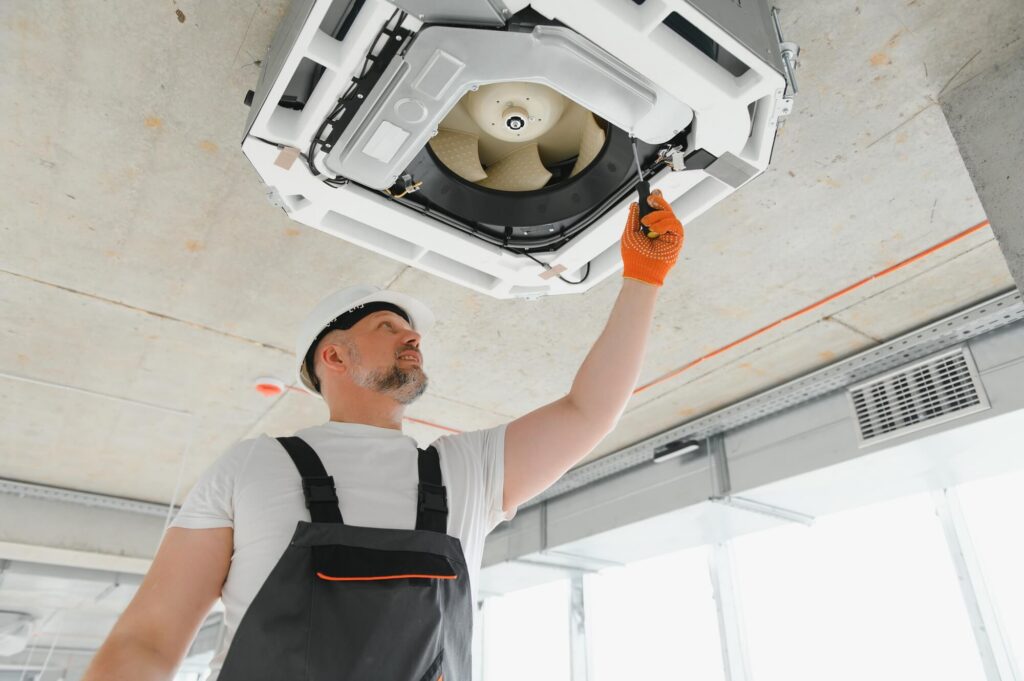
A qualified, professional HVAC technician can inspect for:
- debris buildup
- moisture or mold growth
- airflow restrictions
- damaged ductwork
- filtration problems
At Modern PURAIR®, our professional HVAC technicians use an inspection-first approach before recommending air duct cleaning or additional HVAC services.
What If Someone In Your Home Has Allergies Or Asthma?
Duct cleaning is not a cure for asthma or allergy symptoms, but heavily contaminated air ducts can circulate dust, pet dander, pollen, mold spores, and other particles when the air conditioning runs for long periods during summer.
If symptoms seem worse when the AC system is operating, and there are visible signs of debris, odors, or moisture build-up in the system, an inspection may help identify indoor air quality concerns.
Other important steps include:
- proper air filter maintenance
- regular furnace and AC maintenance
How Air Duct Cleaning Can Help Lower Energy Bills and Improve HVAC System Lifespan
The impact duct cleaning has on energy efficiency depends heavily on the condition of the HVAC system.
In homes with significant debris buildup, restricted airflow, clogged air vents, or years of neglected professional maintenance, duct cleaning can help improve operating duct system efficiency before you start heavily using your home’s air conditioner to combat the heat of summer.
For most AC systems, air filters and cooling coil cleaning usually have a bigger impact on efficiency and air flow than a light layer of dust inside ductwork.
You often get the best value by:
- replacing HVAC filters on schedule
- scheduling AC and heat furnace tune-ups
- cleaning indoor and outdoor coils
- sealing accessible duct leaks
- improving airflow throughout the home
Heavy debris in the ductwork can add resistance, especially in systems that have been ignored for many years. In that situation, cleaning can help the blower work more easily.
A Simple At-Home Check Before You Call Anyone
A quick inspection around your vents and HVAC system can help you decide whether duct cleaning should move higher on your priority list before turning on the air conditioner.
Here are a few simple things you can check safely:
- Look inside a vent: A light coating of dust is normal, but thick debris, droppings, or buildup are not.
- Watch the first AC startup: Look for visible dust blowing from vents or unusual odors.
- Check around the air filter slot: Dust streaks or gaps may indicate unfiltered air entering the system.
If what you see is minor and there are no strong odors or airflow issues, you may benefit more from air filter upgrades and HVAC maintenance than from immediate duct cleaning.
Many homeowners do not notice air flow or indoor air quality problems until the AC begins running daily during hotter weather.
That is why spring and early summer are often the best times to inspect the HVAC system before small issues become bigger comfort or air flow problems during peak cooling season.
How Modern PURAIR® Can Help Before AC Season
If you notice dust blowing from vents, stale odors when the AC starts, uneven airflow, excessive dust accumulating on vent covers and surfaces throughout your living space, or signs of buildup inside the system, a professional inspection can help determine whether duct cleaning before turning on AC is actually necessary or if another HVAC issue is causing the problem. Dirty air ducts, microbial contamination, substantial visible mold growth, or accumulated debris inside the duct work are all conditions that warrant attention before your air conditioning system begins running daily — but regular duct cleaning is unnecessary for most homes unless severe buildup is visible, and duct cleaning is not routinely necessary for homes under 10 years old without specific contamination concerns or indoor air quality problems that a professional inspection confirms require intervention.
At Modern PURAIR®, our technicians take an inspection-first approach to your home’s indoor air quality and HVAC cleaning. That means looking at the condition of the duct work, furnace, air ducts coils, vents, vent covers, filtration, and airflow across the entire heating and cooling system before recommending services — using proper access and inspection techniques to assess the inside surfaces of the system including access holes where necessary to evaluate contamination levels, microbial contamination risk, substantial visible mold growth, insects or pest debris, excessive dust accumulation, and any other contaminants that could affect your air conditioning system’s performance and your home’s indoor air quality when the cooling season begins.
Depending on what the inspection reveals, services may include:
- Furnace, duct, or condenser coil cleaning using agitation devices like brushes and air whips to loosen contaminants from inside surfaces, continuous negative pressure to prevent contaminants from spreading during cleaning throughout your living space, and high-powered vacuum extraction to remove loosened dirt, dust, and other contaminants from the entire system
- HVAC filter recommendations appropriate for your air conditioning system, your home’s indoor air quality goals, and the specific contaminants identified during inspection
- Airflow and ventilation improvements that address duct work restrictions, vent cover blockages, or other issues limiting the efficiency of your entire heating and cooling system
- Indoor air quality solutions for dust, odors, allergens including pet dander and pollen, or microbial contamination concerns that accumulated dust and debris inside dirty air ducts can circulate throughout your living space when the cooling system starts running at full capacity
The goal is not to sell unnecessary cleaning but to help homeowners understand what is happening inside the HVAC system before heavy summer air conditioning use begins. Clogged air ducts and accumulated debris can hinder HVAC system efficiency and lead to increased energy costs due to reduced performance — and cleaning HVAC components when inspection confirms it is warranted can extend system lifespan and improve your home’s indoor air quality throughout the cooling season. Chemical biocides should only be applied after mechanical cleaning if microbial contamination is confirmed — and any reputable technician providing duct cleaning services will recommend this sequence rather than applying chemical treatments to a system that has not been mechanically cleaned first.
Knowing When To Act Before Peak AC Season
Most homeowners do not need perfectly spotless ductwork before summer. What matters more is understanding whether the system is showing real signs of contamination, airflow restriction, or indoor air quality problems before the AC starts running every day — and recognizing that accumulated dust and debris, substantial visible mold growth, or other contaminants inside dirty air ducts can circulate dust-laden air throughout your living space every time the cooling system operates, potentially causing health problems for household members with allergies, asthma, or other respiratory sensitivities.
If your home has visible dust buildup on vent covers and inside surfaces, substantial visible mold growth anywhere in the duct work or on air ducts coils, insects or pest debris visible through access points, debris blowing from vents producing dust-laden air in your living space, musty odors suggesting microbial contamination, or lingering contamination concerns after renovations or water damage that may have introduced dirt, moisture, or other contaminants into the entire system — a professional inspection can help clarify whether duct and vent cleaning services, filtration improvements, repair of improperly installed components, or other HVAC regular maintenance should happen before peak cooling season arrives. Removing contaminants from air ducts through professional duct cleaning services can prevent mold growth, reduce indoor dust accumulation throughout the living space, and clean allergens such as pet dander and pollen from the system before your air conditioning system begins circulating that air daily throughout your home.
When selecting from duct cleaning companies to provide duct cleaning services, choose a certified duct cleaner from NADCA — the National Air Duct Cleaners Association — which establishes the industry standard for professional duct cleaning services and technician certification. Get written estimates from at least three service providers before committing, avoid duct cleaners making unsubstantiated health claims about the benefits of cleaning in most circumstances where contamination has not been confirmed by inspection, and check for state licenses required for duct cleaners in your area since licensing requirements vary by jurisdiction.
Modern PURAIR® helps homeowners take an inspection-first approach to their home’s indoor air quality by identifying what is actually happening inside the HVAC system — across the entire heating and cooling infrastructure including duct work, air ducts coils, vent covers, inside surfaces, and filtration components — before recommending cleaning or regular maintenance. Cleaning air ducts before using an air conditioner improves indoor air quality and ensures your cooling system is not circulating dust-laden air, allergens, or other contaminants through your living space from the first day of the cooling season.
If you want a clearer understanding of whether your ducts and HVAC system are ready for summer, you can contact Modern PURAIR® to schedule an inspection or speak with a local technician about whether duct cleaning services, repair of improperly installed components, filtration improvements, or other regular maintenance steps are warranted for your specific system and your home’s indoor air quality goals before peak AC season arrives.