You’ve probably had nights where your bedroom feels heavy by morning, or meetings where everyone leaves with a dull headache, even though the thermostat stayed right where you set it.
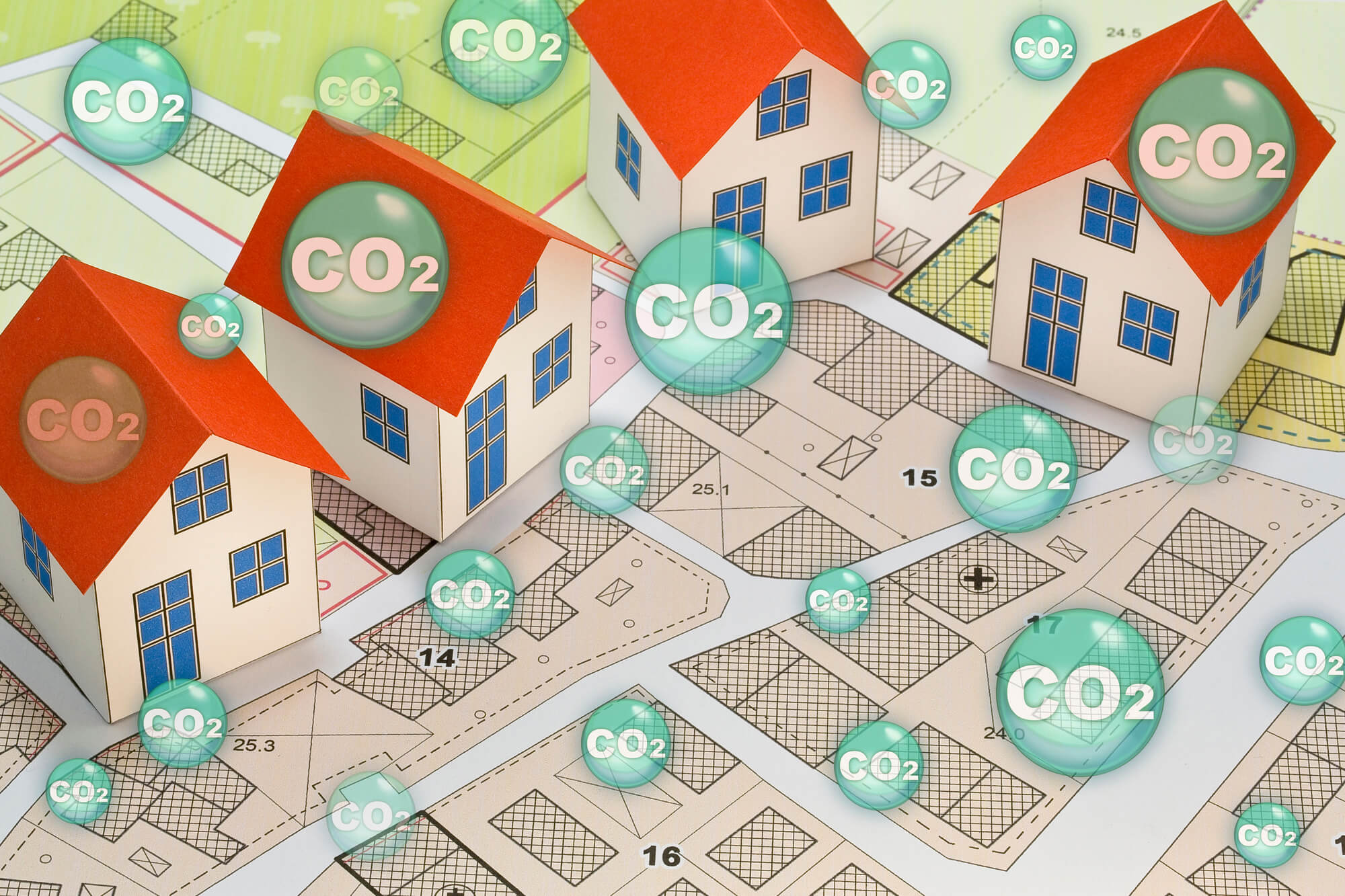
That “stuffy” feeling is rarely about temperature alone. It’s often tied to carbon dioxide (CO₂) quietly building up as people breathe in a room that isn’t getting enough fresh outdoor air or filtered air through your ventilation system.
Outdoors, carbon dioxide levels are often around the low 400 parts per million (ppm), though they vary by location, season, air pollution, and environmental conditions.
Indoors, especially in insulated US and Canadian homes, schools, and offices, indoor carbon dioxide can climb several times higher without ever reaching true emergency levels.
Carbon dioxide itself, at the levels most buildings see, is usually more useful as a ventilation and outdoor air supply indicator than as a standalone danger sign.
This guide can help you understand CO2 concentration levels and indoor air quality, read carbon dioxide levels with confidence, and understand how they affect Indoor Air Quality (IAQ) so you can tell the difference between a room that simply feels warm and one that may need more fresh outdoor air.
Why “Stuffy” Indoor Spaces Show Up Even When the Thermostat Looks Fine
A room often feels stuffy before it feels warm because carbon dioxide levels build up faster than heat in closed spaces. As occupants exhale, indoor carbon dioxide rises while outdoor air or your home’s mechanical ventilation system struggles to keep up.
The thermostat still says everything is comfortable, but more of the air in the room has been through someone’s lungs, and odors and moisture hang around longer. This issue can affect cognitive performance and can even be problematic for those with respiratory issues like asthma, making the space feel heavy even though the number on the wall looks normal.
You’ll notice this most in spaces that stay closed for hours at a time, such as:
- Bedrooms with the door shut overnight
- Home offices where you work with the door closed
- Classrooms and meeting rooms with windows kept shut for noise or security
In those spaces, a simple desktop CO2 sensor or room air quality monitor quickly shows the pattern of rising CO2 concentrations.
When carbon dioxide levels climb, improving fresh air circulation is crucial, so opening a window where it’s safe, propping a door open, or improving mechanical ventilation usually makes a bigger comfort difference than changing the temperature.
In some buildings, natural ventilation may be enough, while others rely on a ventilation system or HVAC system to maintain healthy air exchange rates.
According to the American Society of Heating, Refrigerating and Air-Conditioning Engineers (ASHRAE), ensuring adequate ventilation rates is crucial for maintaining good Indoor Air Quality (IAQ).
Public health officials often evaluate ventilation alongside other indoor air quality concerns, such as relative humidity, allergens, wildfire smoke events, and smoking indoors. Carbon dioxide is not the only indoor air quality measurement that matters.
Other factors that affect how a room feels include:
- Airborne particulate matter
- Relative humidity levels
- Odors
- Volatile organic compounds (VOCs)
- Filtration performance
- HVAC system performance
- Other air pollutants, including radon and airborne chemicals
Therefore, CO2 readings should be seen as one piece of information contributing to a comprehensive evaluation of Indoor Air Quality.
Common Indoor CO2 Levels and What They Mean for Air Quality
For most homes, schools, and offices, CO2 is best read as a comfort and ventilation indicator, not a strict safety line.
Typical buildings sit far below levels tied to acute harm. The question is how high the numbers go during normal use and how many hours people spend in those ranges.
Here’s a practical CO2 levels chart to help interpret common indoor carbon dioxide levels:
| CO2 Concentrations Range (ppm) | What it may suggest | Typical response |
| 400–800 | Often feels fresh and clear for most people | A solid everyday comfort target |
| 800–1,200 | Ventilation rate may be falling behind occupancy | Improve air circulation if people notice stuffiness |
| 1,200–2,000 | The room may feel stale, especially during longer occupancy | Look to improve natural ventilation patterns and possible upgrades to mechanical or home ventilation systems |
| Above 2,000 | A strong sign that the room may not be getting enough fresh air | Take action and consider professional guidance |
These CO2 concentration ranges are practical comfort bands, not medical thresholds.
In workplaces, OSHA exposure limits and occupational standards are much higher than the comfort ranges most homes and offices use for ventilation decisions.
Organizations such as ASHRAE focus on ventilation standards and outdoor air supply to help support occupant comfort and Indoor Air Quality.
The goal is not emergency detection. The goal is to understand whether a room is getting enough fresh air for the way it is being used.
How Higher CO2 Levels Can Affect Comfort, Focus, and Sleep
As indoor CO2 levels rise above roughly 1,000 ppm for extended periods, some people may notice that the indoor air quality feels stale, impacting comfort, focus, and decision-making, even when temperature and relative humidity appear optimal. This often occurs due to inadequate ventilation or limited outdoor air supply.
CO2 and Cognitive Decline
Research has explored the links between elevated indoor carbon dioxide levels, ventilation rates, cognitive performance, lower decision-making performance, and other human performance measures.
However, while the role of carbon dioxide is continually studied, experts caution against seeing CO2 as a sole indicator of health or productivity.
Why Your Bedroom Might Feel Stale in the Morning
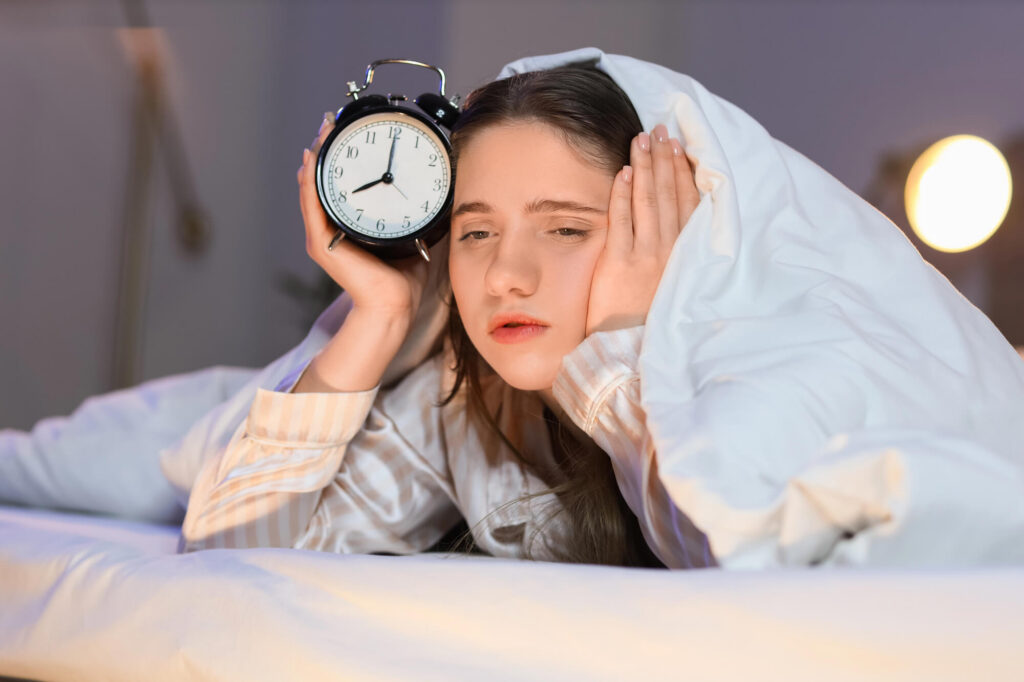
Bedrooms illustrate this well. With doors and windows closed, carbon dioxide concentrations can increase significantly overnight as occupants breathe in a confined space. If a bedroom feels heavy in the morning, measuring CO2 concentration levels can provide information about possible ventilation issues.
Dangers of CO2 and Schools
Schools are another example where the ventilation system plays a crucial role. A classroom with insufficient outdoor air supply or fresh air circulation and high occupancy may see CO2 levels rise, which may lead to decreased comfort and hinder focus. This indicates the need for enhanced outdoor air exchange to ensure good air quality.
Simple changes to improve indoor air quality and maintain appropriate CO2 concentrations include:
- Cracking a window where it’s safe
- Adjusting fan runtimes
- Keeping interior doors open when practical
- Ensuring the HVAC system runs when rooms are occupied
- Reviewing HVAC system ventilation settings when necessary
By maintaining proper ventilation, CO2 concentration levels can be lowered, and indoor air quality can be significantly enhanced, supporting both comfort and cognitive performance.
How Modern PURAIR® Approaches Indoor Air Quality Beyond CO₂
Simple steps should always come first. But if your indoor air quality monitoring readings still sit above about 1,200 to 1,500 ppm in normal use, even after improving basic airflow, that is a sign the space may need a professional indoor air quality review rather than more trial and error.
We spend up to 90 percent of our time indoors, allowing indoor co and other indoor air pollutants to build up significantly, and modern homes often trap CO₂ due to airtight construction that limits outdoor air exchange. Elevated CO₂ levels are a primary indicator of inadequate ventilation, and insufficient ventilation that allows higher concentrations to accumulate is associated with headaches, fatigue, dizziness, poor concentration, and increased heart rate that prolonged exposure compounds over time. A Harvard study found that lower CO₂ boosts cognitive scores by 101 percent, making ventilation one of the highest-value investments available for classrooms, offices, and homes.
A low CO₂ level does not guarantee that all indoor pollutants are low. Carbon monoxide from gas stoves, radon, and other indoor air pollutants can exist independently of CO₂ readings, which is why a comprehensive indoor air quality monitoring approach looks at the full picture rather than a single metric. The Environmental Protection Agency ranks poor indoor air quality among the top environmental health risks, and prolonged exposure to high levels of indoor co through insufficient ventilation creates health consequences that extend well beyond a stuffy room.
What a Modern PURAIR® Assessment Covers
Modern PURAIR® can help you make sense of your CO₂ patterns in the context of your broader air quality concerns, including carbon monoxide, volatile organic compounds from gas stoves, and contaminants the Environmental Protection Agency consistently identifies as priority concerns.
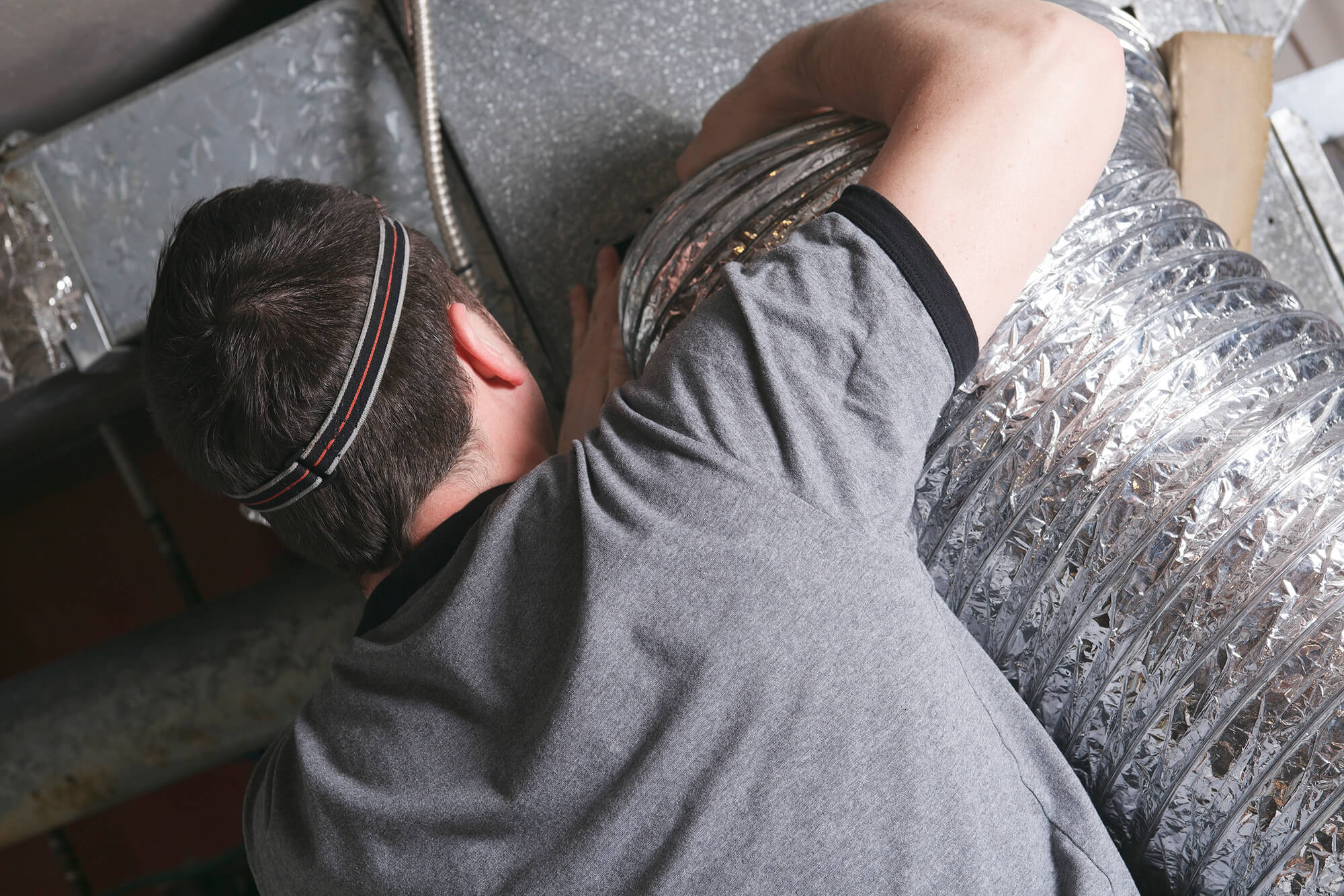
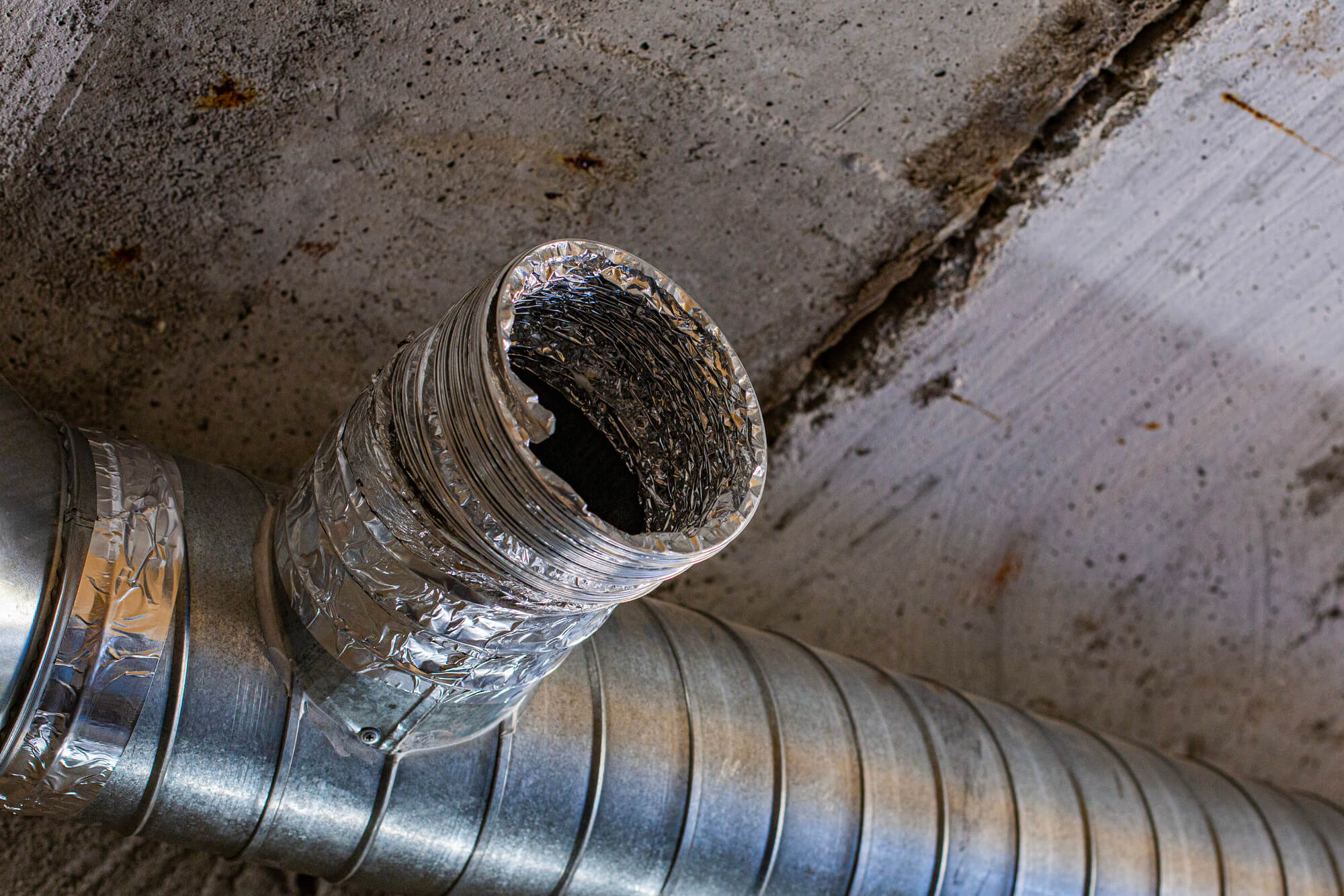
A professional assessment looks at indoor air quality monitoring readings alongside airflow, filtration, ventilation rate, ductwork condition, mold growth, HVAC system and air conditioning systems performance, room usage, and ventilation system effectiveness. From there, the next step may be as simple as opening windows or increasing ventilation, or it may involve indoor air quality testing, air purification, filter maintenance, furnace and air duct cleaning, ductwork improvements, or a conversation with a ventilation specialist about reducing energy costs through smarter airflow management.
Depending on the situation, an assessment may also consider radon, asthma triggers, sleep apnea aggravated by poor indoor air quality, wildfire smoke events, airborne chemicals from gas stoves, or carbon monoxide. The goal is not just to chase a number on a monitor. It is to help your home, classroom, or workplace feel fresher, cleaner, and more comfortable day after day.
Breathe Easier With a Clearer Indoor Air Quality Plan
If you recognize a bedroom that feels heavy by morning, a classroom that fades after lunch, or an office where everyone blames coffee instead of poor indoor air quality, a small CO₂ sensor can give you a clearer window into what is happening.
Checking key rooms once or twice a season and comparing readings with how people feel can show where simple airflow changes may be enough and where a deeper indoor air quality review may be useful. High CO₂ is associated with headaches, fatigue, and dizziness that many occupants attribute to other causes, and monitoring CO₂ helps indicate the need for improved ventilation before prolonged exposure to high levels creates more significant health and productivity consequences.
Using CO₂ Data to Make Better Indoor Air Decisions
Carbon dioxide is not the whole air quality story. Carbon monoxide, other indoor air pollutants, and contaminants from gas stoves all contribute to poor indoor air quality independently of CO₂ readings. But indoor air carbon dioxide is a practical place to start because it directly reflects ventilation effectiveness and the balance between indoor co buildup from human metabolism and the fresh outdoor air needed to dilute it. When you understand the pattern, you can make better decisions about ventilation rates, outdoor air exchange, energy costs, and occupant comfort.
If you have questions about indoor carbon dioxide, insufficient ventilation, air conditioning systems performance, or broader poor indoor air quality concerns, contact the Modern PURAIR® team for professional guidance tailored to your home or building.