You finally replaced the old gas furnace and air conditioners in your HVAC system with a heat pump, and now everyone has an opinion about your ducts. One person insists you need heat pump duct cleaning immediately, another says it is a waste of money, and you are left trying to protect your comfort and energy bills without guessing.
Heat pumps are often sold as simple “swap the box” upgrades, but the way they run changes how your ducts are used.
This guide stays practical. It will not diagnose health issues or replace a proper HVAC system design check, but it will show how a heat pump changes airflow, runtime, and moisture.
You will know what changes, what stays the same, and when duct cleaning can help your new heat pump and existing ducts work together to provide healthy and comfortable indoor air.
Do You Need Heat Pump Duct Cleaning After an Upgrade?
A new heat pump does not automatically mean you need air duct cleaning, because the air duct layout usually stays the same as with a traditional HVAC system. What changes are runtime, airflow sensitivity, comfort expectations, and how much you want to get from your investment?
Air duct cleaning is worth considering when there is a clear need to protect indoor air quality, not just because the ventilation equipment has changed.
In homes and buildings, duct cleaning moves from an optional service to a smart next step when you see things like:
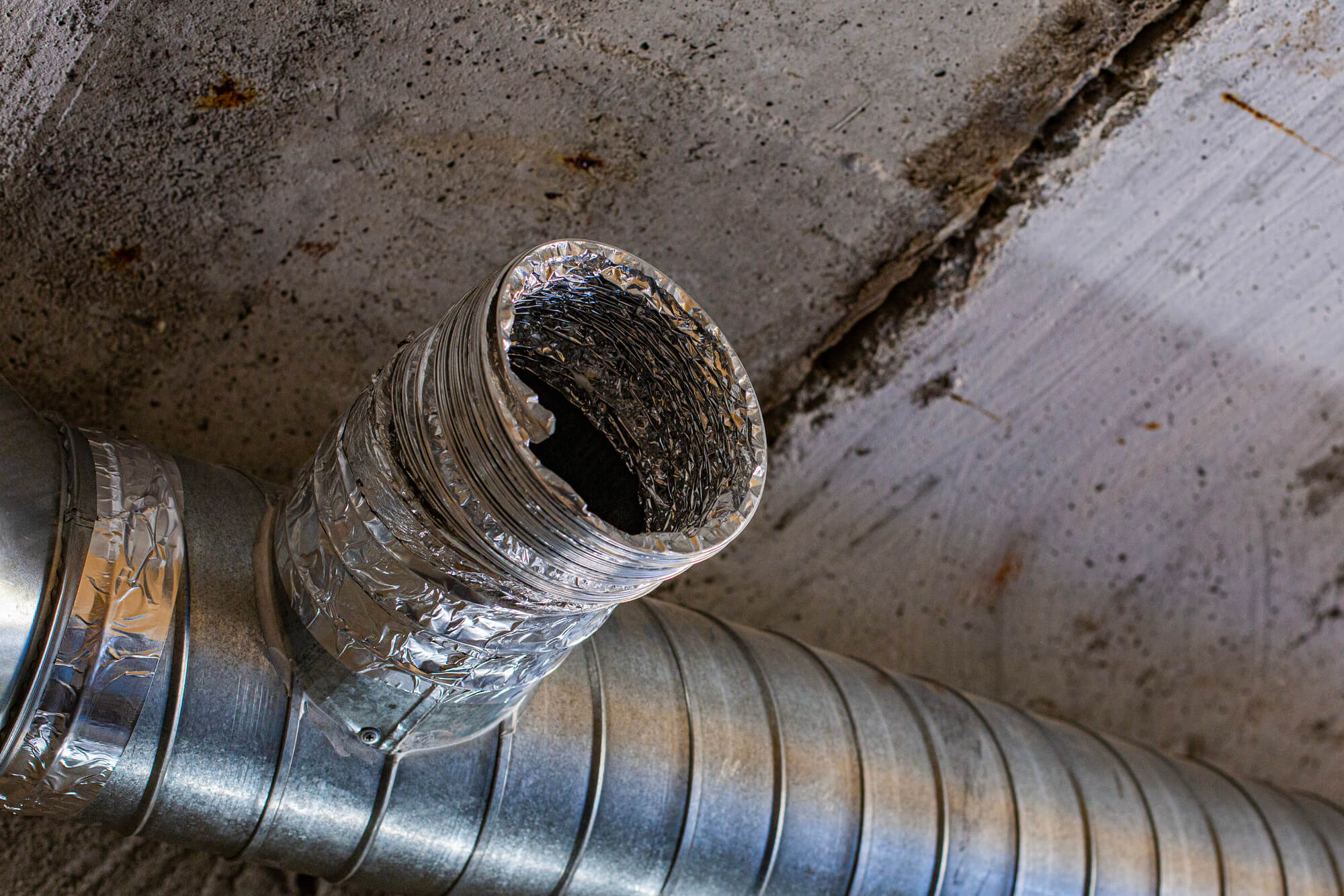
- Older ducts in attics, crawlspaces, or garages that are dusty or leaky
- Households with babies, older adults, or people who are more sensitive to dust and airborne particles
- Wildfire smoke, major renovations, pests, or water damage in areas where ducts run
If any of these apply to your home or building, pairing an air duct inspection with the heat pump upgrade is sensible. The goal is to confirm that your ducts are clean, sealed, and clear enough to help the new system perform at its best and keep air quality high.
How Heat Pumps Change the Way Your Air Ducts Get Dirty
Heat pumps often run at lower temperatures for longer periods. With a properly sized air filter that is changed on schedule, that extra runtime can help capture more dust and dander before it settles in the ductwork.
Problems for your indoor air quality start when:
- Filters are loose, the wrong size, or rarely changed
- Return air ducts leak in dusty areas like attics or garages
- Vents are closed off and push air through fewer paths.
In those cases, longer runtimes can move debris through the duct system again and again, coating blower wheels, coils, and ductwork.
Moisture matters too.
In cooling mode, the indoor coil and drain pan in the air handler stay wet. If drains clog, pans stay dirty, or air ducts in hot spaces are poorly insulated, condensation, stale smells, and damp surfaces can develop.
An air duct cleaning will help, but only lasts if drainage, insulation, and air filter habits are also corrected.
What Duct Cleaning Can—and Cannot—Do for a Heat Pump
From a cleaning standpoint, a ducted heat pump and a furnace system look similar: you still have supplies, returns, and a blower motor moving air.
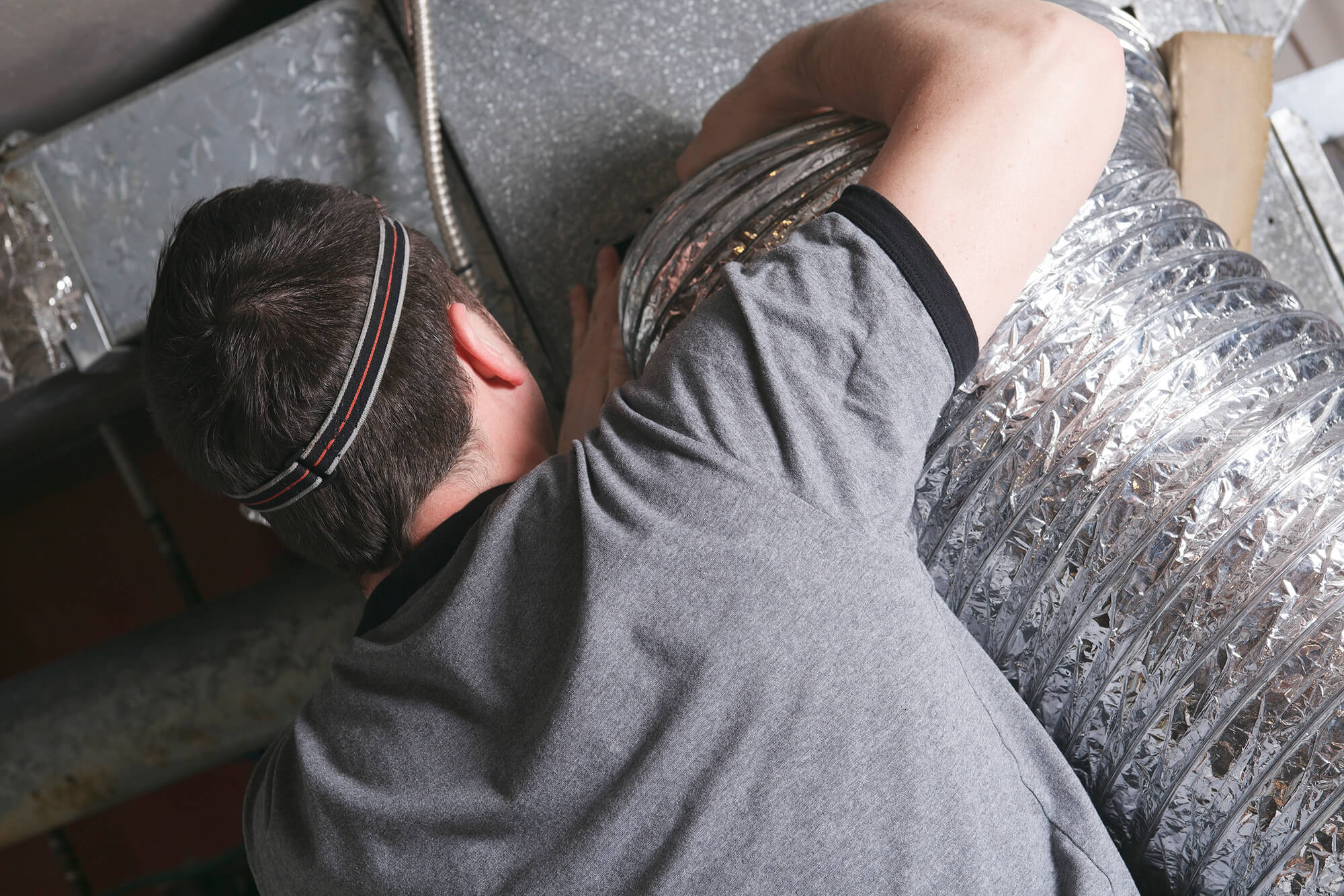
Technicians connect strong HEPA-grade vacuums, agitate dust inside the runs, clean registers, and clear the blower compartment in the outdoor or indoor air handler unit.
That work can help reduce loose debris, support cleaner airflow paths, and limit visible dust blowing into rooms.
What a good, deep cleaning can do in a heat pump system:
- Reduce visible dust bursts when the fan starts
- Help reduce airflow restrictions caused by built-up debris in dirty ductwork
- Remove construction debris, pest material, and loose contaminants
What it cannot do:
- Fix undersized, poorly designed, or badly balanced duct layouts
- Solve ongoing moisture issues at coils, pans, or uninsulated runs
- Replace proper heat pump commissioning or regular equipment service
Think of cleaning as one tool in the kit. It works best alongside good filtration, sealed air ducts, and a properly set-up heat pump.
Best Practices When You Reuse Furnace Ducts for a Heat Pump
When you connect a new heat pump to existing air conditioner or furnace ductwork, the real risks are usually airflow, leakage, and moisture, not cleanliness alone. This sequence keeps cleaning in the right place: as a finishing step, not a bandage.
Step 1: Have the ducts evaluated
Ask a qualified HVAC system contractor to review air duct sizing, airflow, static pressure, and system setup. Then have Modern PURAIR® assess air duct cleanliness, visible debris, dust buildup, and other indoor air quality concerns.
Step 2: Fix the easy losses
Seal accessible leaks, add insulation where ducts run through unconditioned spaces, and make sure returns are not pulling from dusty areas.
Step 3: Commission the heat pump properly
Have airflow and static pressure checked, and choose air filters that the system can actually handle without choking airflow.
Step 4: Add air duct cleaning when there is a clear trigger
Visible debris, construction dust, signs of pests or mold, or dust blowing into rooms are solid reasons. Done in that order, your ducts are better positioned to support quiet, efficient heat pump operation.
Not Just Air Duct Cleaning: Other Essential Heat Pump System Maintenance Tasks
Regular maintenance of a heat pump HVAC system is crucial for ensuring its efficiency and longevity.
While an air duct cleaning or inspection is an important aspect, several other maintenance tasks can significantly enhance the performance and lifespan of your ventilation system.
Here are some additional fundamental tips for maintaining a heat pump:
Regularly Clean or Replace Filters
One of the simplest yet most effective maintenance practices is to clean or replace the air filters regularly. Dirty or clogged filters can obstruct air circulation, reduce system efficiency, and increase energy consumption. Ideally, inspect filters every month and clean or replace them every 1-3 months, depending on the manufacturer’s recommendations and usage.
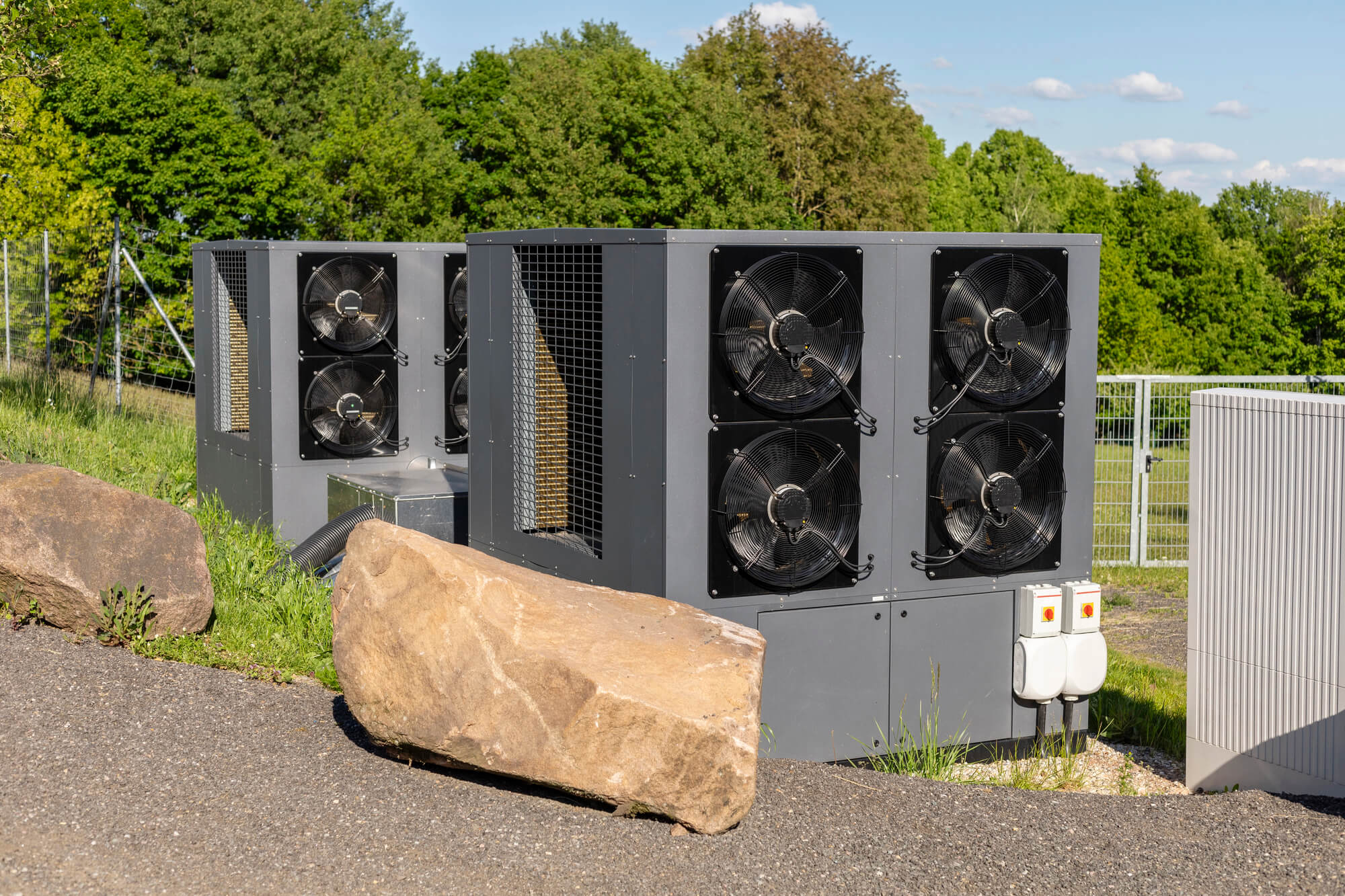
Check and Clean the Outdoor Air Handler Unit
The outdoor unit of a heat pump can accumulate debris, leaves, and dirt, which can obstruct airflow and impact performance. Regularly inspect the outdoor unit and remove any debris around it.
Ensure there is at least 24 inches of clearance on all sides to facilitate proper airflow.
Additionally, gently clean the coil fins to prevent any buildup that could impair heat exchange.
Inspect and Clean the Indoor Air Handling Unit Coils
Over time, dust and grime can settle on the indoor evaporator coils, reducing their ability to absorb heat. Regularly check these coils and clean them carefully, following the manufacturer’s instructions, to maintain efficient heat transfer and system performance.
Verify the Thermostat Functions Correctly
The thermostat plays a critical role in regulating the temperature and efficiency of your HVAC system. Regularly check your thermostat settings and functions to ensure it accurately maintains desired indoor temperatures. Consider upgrading to a programmable or smart thermostat for better control and energy efficiency.
Lubricate Moving Parts
Heat pumps have several moving components that require regular lubrication to minimize friction and prevent wear and tear. Ensure that these parts, including the air blower motor, are well-lubricated to facilitate smooth operation and prolong the system’s life.
Check Refrigerant Levels
Low refrigerant levels can indicate a leak or other issues within the system, leading to reduced efficiency and potential damage. Regularly monitor refrigerant levels and, if necessary, consult a qualified technician to address leaks or recharge the system with the appropriate refrigerant type.
Inspect Electrical Connections and Components
Periodically examine the electrical connections and components of your heat pump system. Look for any signs of wear, damage, or corrosion that could lead to electrical malfunctions or pose safety hazards. Tighten any loose connections and consider hiring a professional for a comprehensive electrical inspection.
Schedule Professional Maintenance
While all this can be part of a comprehensive DIY maintenance schedule, the truth is that optimal maintenance can be best achieved through annual professional inspections and maintenance for your heat pump system. A qualified technician can thoroughly assess the system, identify potential issues, and perform any necessary tune-ups to keep it operating efficiently and effectively.
Nonetheless, following these basic maintenance tips can ensure that your heat pump system operates optimally, providing reliable heating and cooling while minimizing energy costs. Regular maintenance also helps identify and address minor issues before they become major problems, extending the lifespan of your heat pump.
When a Modern PURAIR® Heat Pump Duct Cleaning Assessment Is Worth It
It can be hard to judge your ductwork, air filters, and equipment as one connected air duct system — particularly when the complete heating and cooling system has recently changed and you are trying to determine whether comfort issues relate to the heat pump itself or to duct cleanliness and airflow conditions that a professional duct cleaning service can address.
If you notice comfort swings, new noises, excessive dust, lower system efficiency, or stubborn odors after a heat pump upgrade, Modern PURAIR® can help you understand whether duct cleanliness, filtration, or airflow concerns — including pet hair, dog hair, mould spores, dust and debris, and other irritants accumulating inside supply vents and return vents — may be part of the issue. Dirty ducts can cause a 20 percent increase in utility bills, and cleaning ducts can increase HVAC system efficiency by 30 percent — making a professional assessment a practical first step for any homeowner managing higher than expected energy bills after a heat pump upgrade.
A heat pump duct cleaning assessment is especially helpful if you have older or unknown ductwork, visible dust or debris at air vents, stale odors, sensitive occupants dealing with allergy symptoms triggered by mould spores, pet hair, or other irritants, or lingering concerns after changing furnace filters. For homes with a mini split system or air exchanger alongside the heat pump, a professional duct cleaning service assessment covers those components too. Duct cleaning can remove five to six pounds of dirt from an average residential air duct system, and professional cleaning effectively boosts efficiency compared to DIY methods — making the assessment a worthwhile investment for any homeowner managing comfort or utility bills concerns after a heat pump upgrade.
During the assessment, a Modern PURAIR® technician uses specialized equipment to inspect visible air duct conditions, look for dust buildup or loose debris at supply vents and return vents, review your furnace filter use, and explain whether air duct cleaning services are recommended. Improved air quality can alleviate allergy symptoms significantly — and for households where mould spores, pet hair, and other irritants have been accumulating between regular cleaning visits, a professional service assessment delivers the clean air and healthy air quality the home’s complete heating and cooling system should be providing.
With upfront pricing, clean and professional technicians, specialized equipment, exclusive PURAIR® cleaning systems, and a 30-day satisfaction guarantee, Modern PURAIR® makes the process straightforward from the first inspection to the final review — delivering great service and quality work for peak performance air duct cleaning services, dryer vent cleaning, heat pump cleaning, and furnace cleaning.
Let Your Heat Pump and Ducts Work as One System
A heat pump upgrade is more than swapping new equipment. It changes how air and moisture move through your ducts, furnace filter, coils, supply vents, return vents, and air vents — affecting how effectively the complete heating and cooling system delivers clean air and good indoor air quality to every room. Removing dust and debris, mould spores, pet hair, dog hair, and other irritants through a professional duct cleaning service gives the heat pump the clean airflow environment it needs to operate at peak performance and deliver the energy efficiency and lower utility bills a modern heat pump is designed to achieve.
When your ducts are reasonably clean, properly sealed, and able to support steady airflow, your heat pump has a better chance to deliver the comfort, quiet, and energy efficiency you expected — with reduced allergy symptoms for sensitive occupants and the peak performance that routine cleaning helps maintain between annual professional service visits.
A professional heat pump duct cleaning assessment can help you understand whether cleaning is needed now, what can wait, and what may be better handled by an HVAC contractor. For homes with a mini split system, air exchanger, or dryer vents that also need attention, combining those services into a single professional visit is the most efficient way to restore clean air, healthy air, and peak performance across the complete heating and cooling system.
Book an assessment with Modern PURAIR®, and we will walk you through what we see, explain what matters for your specific air duct system, and help you choose the next step with confidence — whether that is a full air duct cleaning service, dryer vent cleaning, heat pump cleaning, furnace cleaning, or a furnace filter replacement schedule that supports good indoor air quality and helps save money on utility bills between professional visits.