You usually notice it on the first really hot or cold day. The system kicks on, the thermostat looks fine, but the air drifting from your air duct vents feels more like a faint whisper than a steady stream. Some rooms are always stuffy, others never quite reach the temperature you set, and your energy bills creep up even though your routine hasn’t changed.
Weak airflow from vents isn’t just a quirk. It can mean something along the path from the return grille to the supply vent is blocked, leaking, or simply not moving enough air. Sometimes the fix is as simple as a neglected filter or a blocked vent.
Other times, it’s an early warning sign of blower motors, coil, or duct problems you can’t see.
Understanding the most common causes of weak airflow, the simple checks you can safely do yourself, and the warning signs that point to a bigger problem can help you decide what to try first and when it makes sense to bring in a professional.
What Causes Weak Airflow From Vents?
When airflow from your vents feels weak, there may be extra resistance, a leak, a buildup, or another issue somewhere between the rooms and the HVAC system.
Your blower has to move air through the filter, equipment, ductwork, and supply vents. Anything that narrows, clogs, or disrupts that path can mean less air reaches your spaces.
Most causes of poor air circulation fall into familiar categories that appear frequently in homes and small buildings:
- Air filters that are dirty, the wrong size, or overly restrictive for your system efficiency
- Evaporator coils or blower motor wheels coated with dust, pet hair, or even ice, which can lead to coil icing in the cooling season
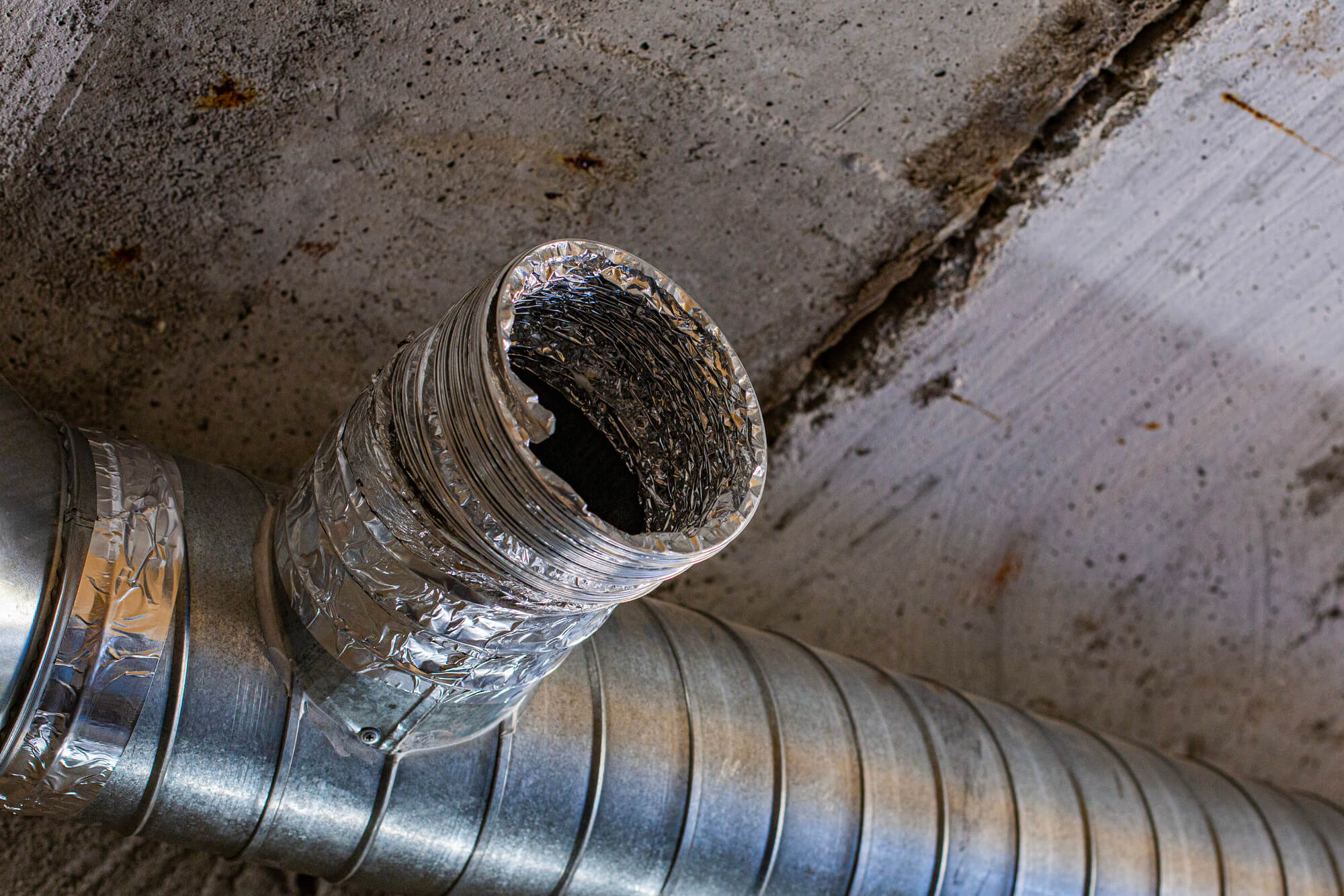
- Ductwork that is crushed, kinked, disconnected, or leaking, which may require duct sealing with mastic or UL-listed tape
- Supply and return-air paths obstructed by furniture, rugs, or décor
- Pressure changes due to closed doors, dampers, or tight construction affect the static pressure
Left unaddressed, this extra resistance can increase run time, affect home comfort, and make your blower motors work harder than necessary. Identifying which group you might be dealing with is the first step toward improving system efficiency.
These issues are common, easy to miss, and are often straightforward to correct once you know what to look for. If airflow improves after you replace an air filter, clear a blocked vent, or address another simple restriction, you may have caught the problem early. If it doesn’t, the cause may be deeper in the ductwork or HVAC system and require proper access, testing, or tools, like a manometer or anemometer, to identify.
The pattern matters, too:
- Weak airflow in one room may point to a localized vent or duct issue.
- Weak airflow throughout the home suggests a broader ventilation system restriction.
Simple Checks You Can Safely Do Before Calling for Help
If the HVAC system still runs but airflow feels weak, start with simple, safe checks you can do without tools or opening panels. Your goal is to clear obvious restrictions and note anything that seems out of place, improving air circulation and overall system efficiency.
A practical order looks like this:
- Check the air filter: confirm the filter dimensions, arrow direction, and whether it’s overdue for replacement
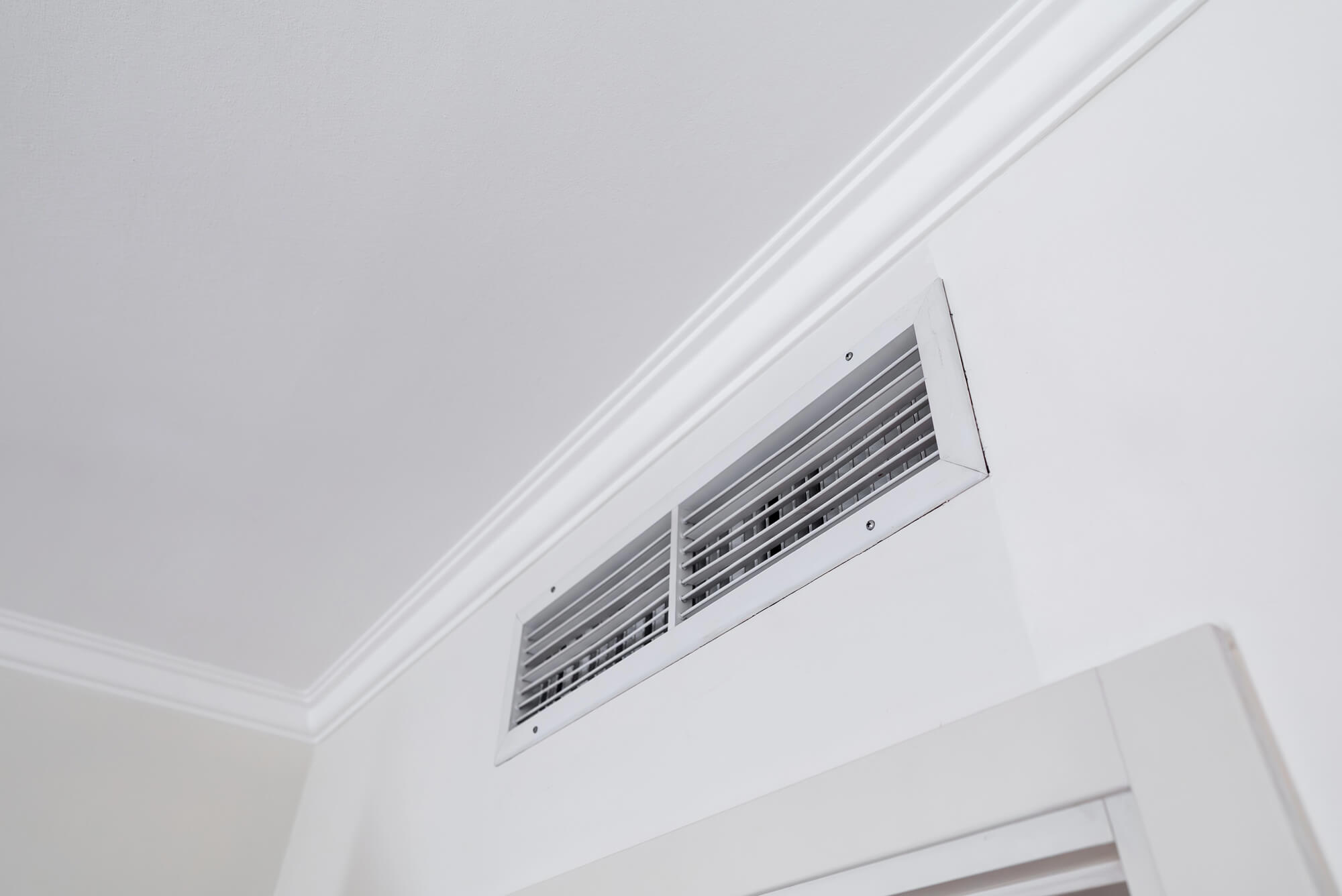
- Walk every room: make sure supply vents and return-air paths are fully open and not covered or blocked, impacting home comfort
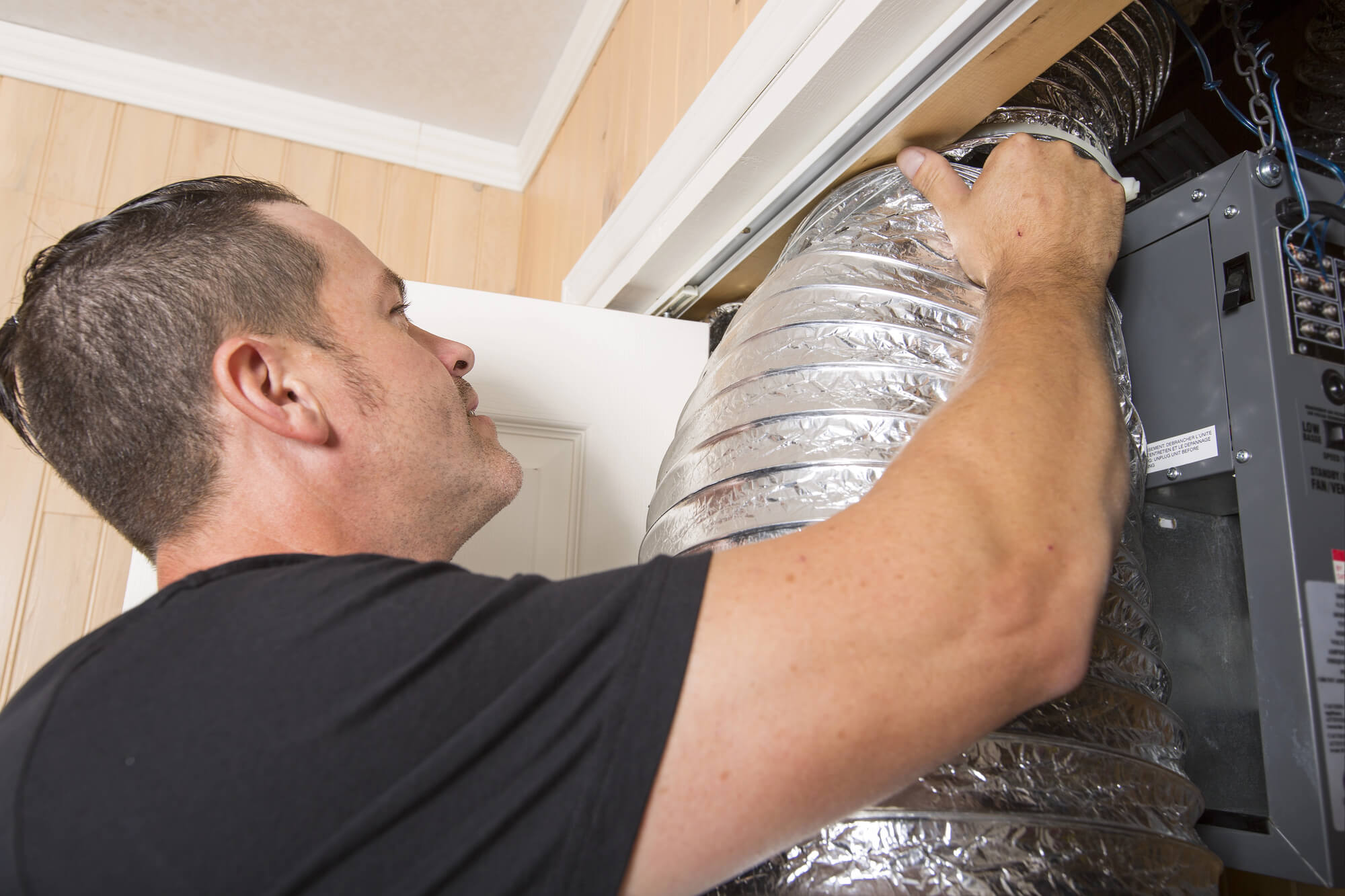
- Look at what you can see: scan accessible ductwork for kinks, crushed sections, or loose connections, and ensure proper duct sealing with mastic or UL-listed tape
- Pay attention to patterns: which rooms feel weakest, what noises you hear, and when it all started
These basics often restore normal airflow or at least rule out the easy things. If you’d rather not spend your weekend experimenting with vents and filters, treating this as a simple checklist and writing down what you find can make a visit from a qualified HVAC or duct cleaning professional much more efficient.
When Weak Airflow Stops Being a DIY Problem
Some airflow issues are more than an air filter or furniture problem. When symptoms are stronger or stack up together, it’s usually safer and more cost-effective in the long run to stop trying fixes and bring in a professional who can address issues like blower motors or static pressure.
Watch for patterns like these:
- Several rooms with weak airflow, especially on opposite sides or levels of the building, suggest problems with dampers or pressure changes
- The system is running much longer than it used to reach the same temperature, indicating potential inefficiencies with the air handler or blower
- Ice, water, or scorch marks around the indoor unit, known as coil icing, or new rattling or grinding sounds, signaling possible evaporator coil issues.
- Burning smells, repeatedly tripped breakers, or the system struggling to start, which might involve malfunctioning capacitors or electrical connections
Those symptoms may point to duct damage, evaporator coil trouble, refrigerant levels, or electrical and safety risks that shouldn’t be handled with trial and error.
A qualified HVAC professional can evaluate the system’s ventilation and determine whether the restriction involves the equipment, ductwork, airflow, or another issue.
How Modern PURAIR® Can Help With Weak Airflow From Vents
Once the obvious checks are done, the next step is understanding whether buildup inside the furnace, ducts, blower motors, evaporator coils, or vents may be contributing to weak airflow. That’s one area where Modern PURAIR® can help.
Our technicians take a step-by-step approach to the areas we service, including:
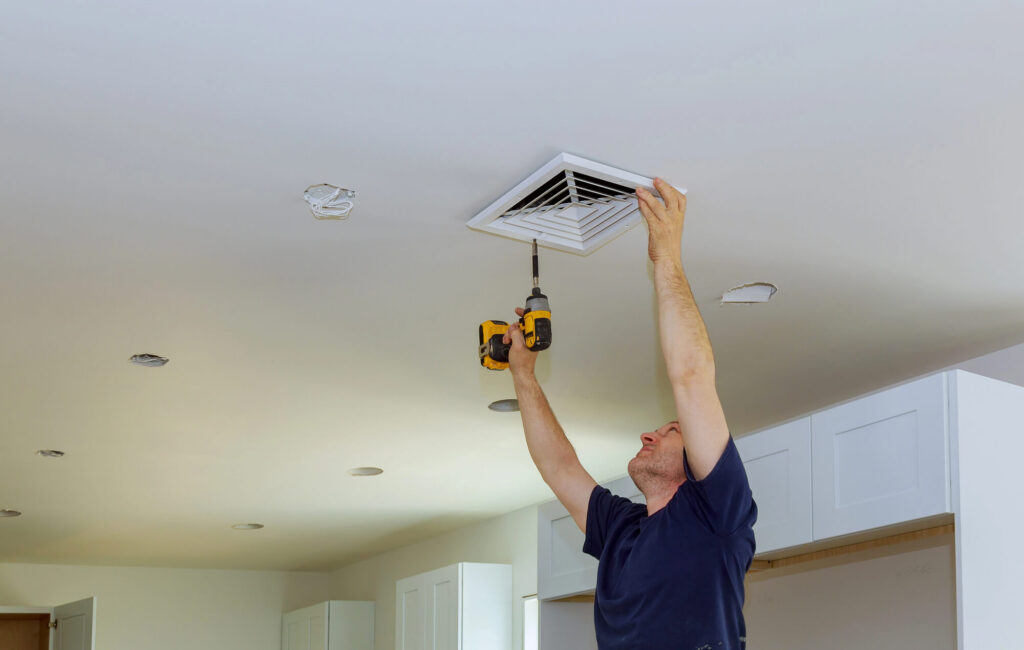
- Inspecting accessible furnace, duct, and vent areas for dust and debris buildup
- Cleaning the furnace, ducts, and vents with the PURAIR® cleaning system
- Using the PUR CURx® Contact Cleaning System to scrub all four sides of the ductwork
- Providing upfront pricing before work begins
- Showing you what we remove so you can see the results for yourself
From there, you get a clearer picture of what was found inside the areas we service and whether buildup may have been contributing to the airflow problem. If weak airflow continues, another HVAC or mechanical issue may need professional attention.
Get Clear Answers About Weak Airflow With Modern PURAIR®
Weak airflow from vents can come from something simple, or it can point to a deeper issue in the system, from the evaporator coils to blower motors or the furnace. When dust and debris may be part of the problem, Modern PURAIR® gives you a straightforward way to understand what’s happening in the areas we service.
You can expect on-time arrivals, upfront pricing before work begins, and a clear walkthrough of what our technicians find. We also show you what we get out, so you have visible proof of the work and a better understanding of any next steps that may help improve comfort and airflow.
If you’re ready to move past the guesswork, book now and take the next step with Modern PURAIR®.