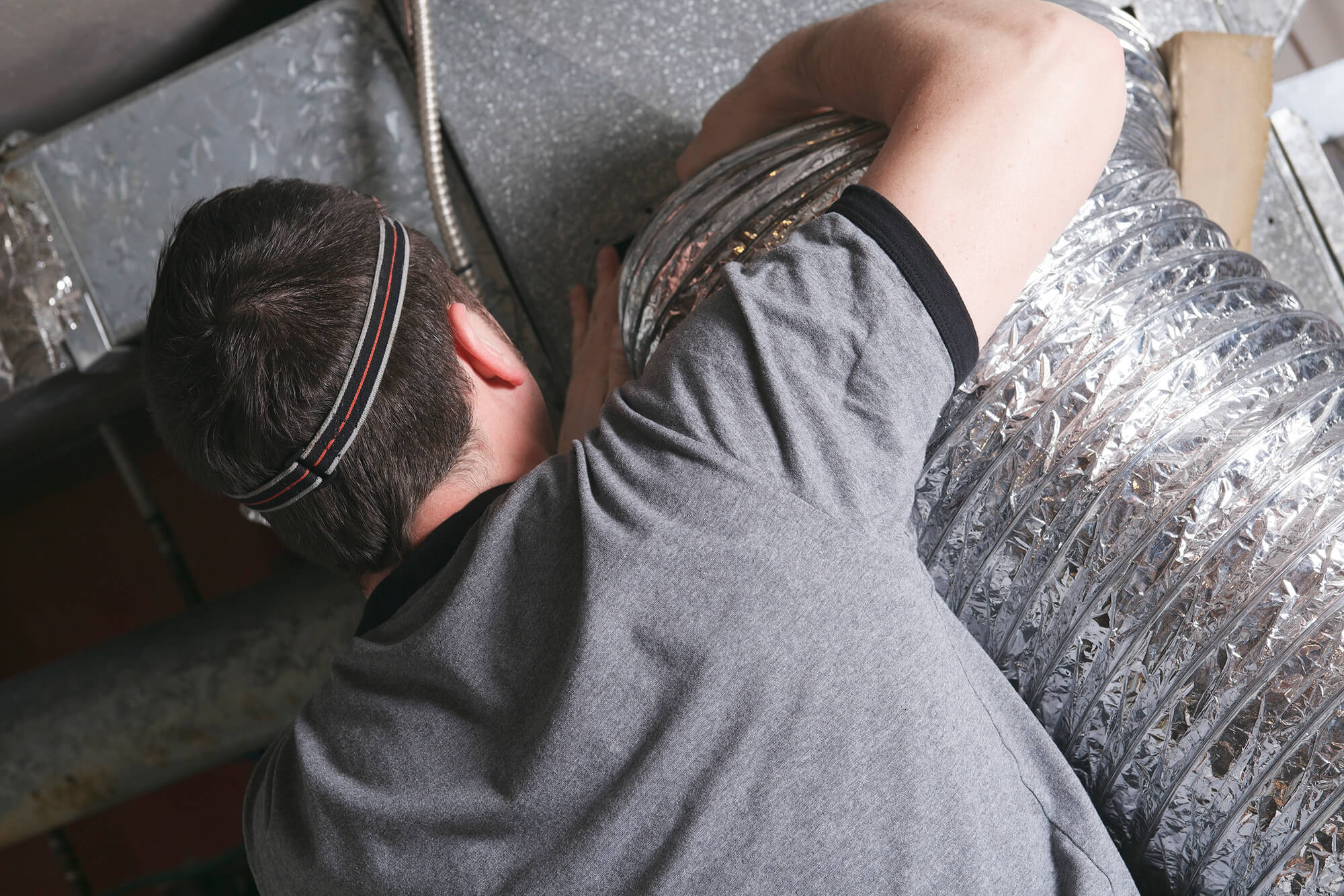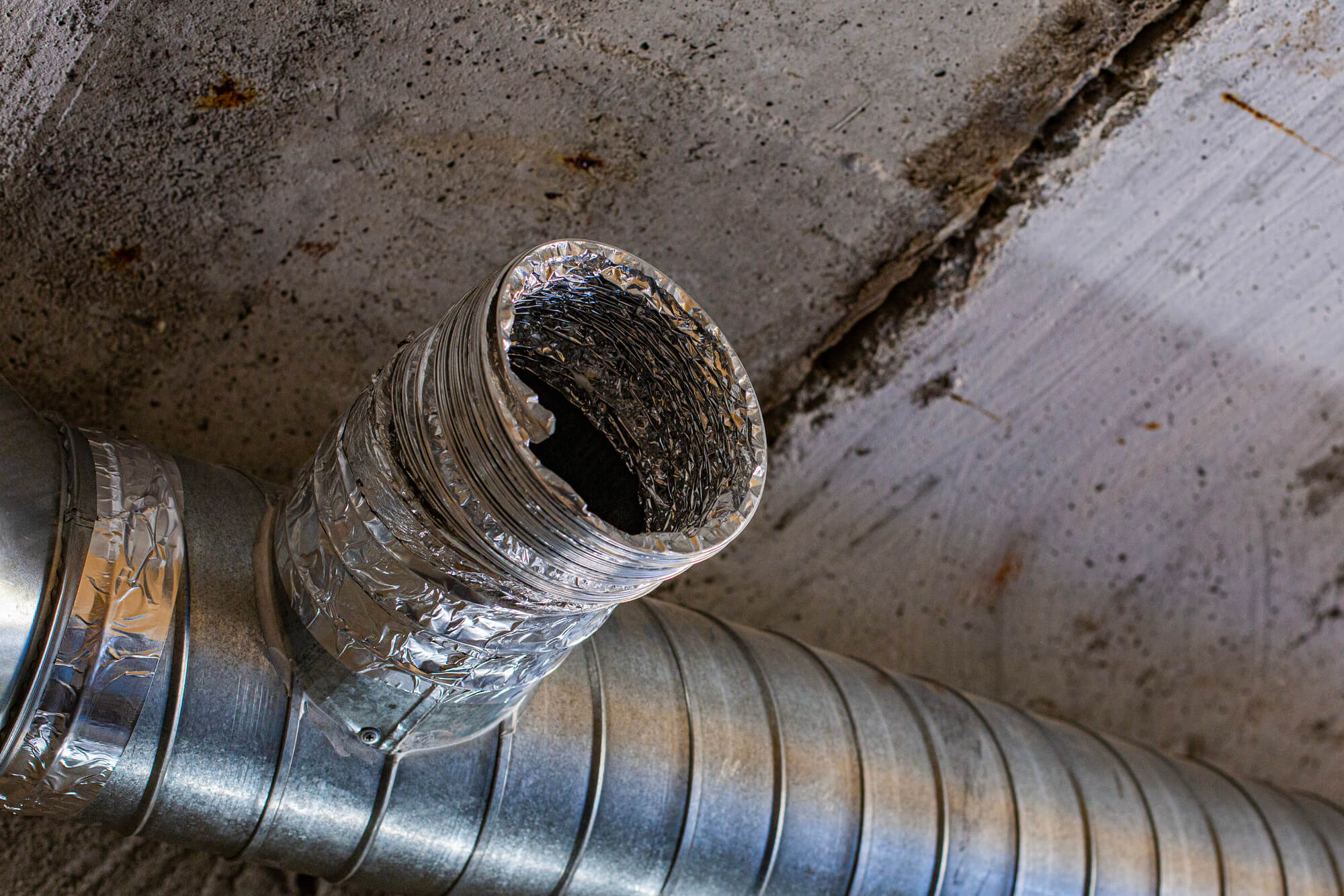
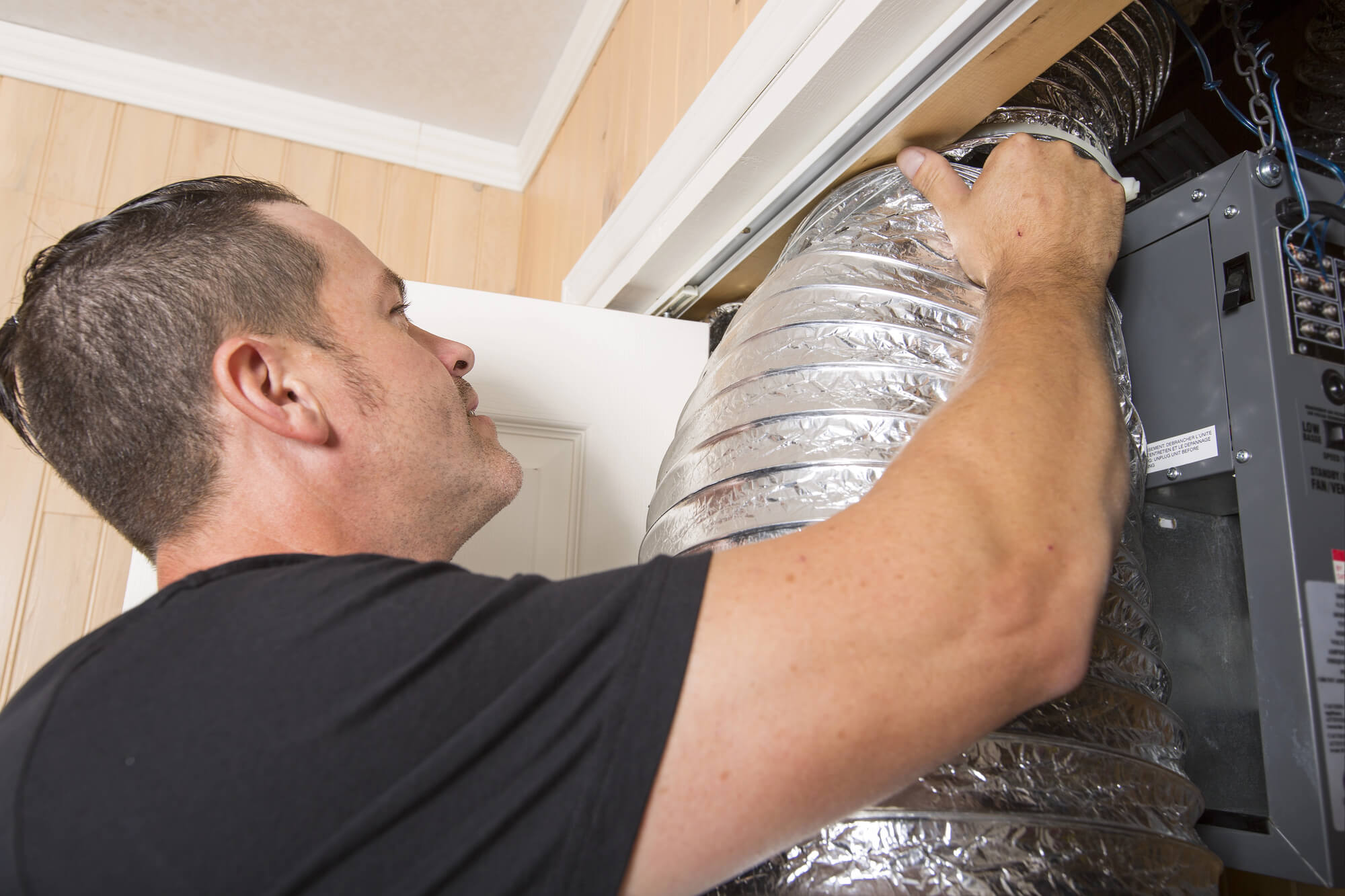
You can only stare at dusty vents, deal with uneven temperatures, or wonder about aging ductwork in your HVAC system for so long before asking whether another cleaning will actually solve the problem.
So, when should you replace ductwork instead of cleaning it?
There isn’t one age or clear situation at which every home’s air ducts suddenly need replacement. Duct material, installation quality, moisture exposure, thermal cycling, pest damage, leakage, and overall system design can all affect condition.
And replacement isn’t the only alternative to cleaning, with many problems falling somewhere in between that may be addressed through targeted repairs or duct sealing.
This guide can help you decide what course of action to take. We detail the main reasons why your air ducts might need replacement, when cleaning them is enough, how both affect your comfort (and energy bills), and whether you’re better off cleaning or updating parts of your system.
When Should You Replace Ductwork? The Short Answer
The basic distinction is straightforward:
- Duct cleaning removes accumulated dust and debris from ductwork that is otherwise serviceable.
Air duct replacement becomes a consideration when you find:
- Crushed, collapsed, torn, or severely damaged ductwork
- Extensive corrosion or holes in metal ducts
- Badly deteriorated flexible ductwork
- Serious moisture damage or contamination involving porous duct materials
- Significant damage from pest infestations
- Widespread leaks through the HVAC system that aren’t practical to repair or seal
- Persistent airflow distribution problems caused by improper air duct design or sizing
However, these conditions don’t automatically mean the entire duct system needs replacement.
Sometimes, one damaged run or section can be repaired or replaced while the rest of the HVAC system remains serviceable.
That’s why a professional duct evaluation should come before a major replacement decision.
Duct Cleaning vs. Repair vs. Replacement: What’s the Difference?
The right service depends on what’s actually wrong with the ductwork.
| Option | Best Suited For | What It Addresses | What It Can’t Fix |
| Air duct cleaning | Structurally sound ducts with accumulated material | Dust, debris, mold growth, and removable buildup | Holes, crushed ducts, or poor design |
| Repair or sealing | Localized leaks, failed seals, or limited damage | Gaps, joints, leakage, and repairable sections | Widespread deterioration or major design problems |
| Air duct replacement | Severely damaged, deteriorated, or unsuitable ductwork | Failed duct materials or sections | HVAC equipment problems unrelated to ductwork |
This distinction matters because cleaning a damaged duct doesn’t repair it, while replacing structurally sound ductwork simply because it’s dirty may be unnecessary.
When Air Duct Cleaning Is Still the Right Choice
Professional air duct cleaning is generally the more logical option when the ducts themselves remain in serviceable condition, and the primary problem is accumulated material inside them.
Good candidates for cleaning may have:
- Structurally sound ductwork
- Dry interior surfaces
- Intact flex or metal duct joints
- No significant corrosion or physical damage
- Dust, pet-related material, or construction debris that can be removed
- Ductwork that otherwise appears suitable for the HVAC system
For example, a home remodel may leave drywall dust or other construction debris inside an otherwise healthy duct system. Replacing those ducts wouldn’t address potential energy efficiency or air quality problems any better than an appropriate professional cleaning of the air ducts, air filters, or the furnace and cooling components.
The key question is whether the material inside the ducts is the problem or the ducts themselves.
7 Signs It May Be Time to Replace Your Ductwork
Several conditions can move the conversation beyond cleaning and toward repair or replacement.
1. The Ductwork Is Crushed, Torn, Collapsed, or Badly Damaged
Physical damage can’t be cleaned away.
- Flexible ductwork can become crushed, kinked, torn, disconnected, or badly sagged.
- Metal ducting can develop significant dents, holes, or failed connections.
Depending on the extent of the damage, a heating and cooling system professional may recommend repairing or replacing an individual section rather than the whole system.
2. Metal Ducts Have Extensive Corrosion or Holes
Sheet metal ductwork can be durable, but moisture exposure and years of temperature fluctuations can affect its condition and performance.
Minor surface changes aren’t necessarily a reason for replacement, but extensive corrosion, rust-through, holes, or structurally weakened sections from thermal expansion and contraction are different because the duct material itself may no longer be serviceable.
Cleaning removes debris. It doesn’t restore failed metal.
3. Flexible Ductwork Has Seriously Deteriorated
Flexible ductwork can be particularly vulnerable when installed in attics, crawlspaces, or other demanding environments.
Watch for substantial:
- Sagging or kinking
- Tears or punctures
- Deteriorated outer jackets
- Damaged flex duct insulation
- Failed connections
- Pest damage
Age can provide context, but condition matters more than an arbitrary replacement date.
4. Porous Duct Materials Have Serious Moisture or Contamination Damage
Some duct systems contain porous materials, such as duct board or internal insulation fiberglass, and if those materials become substantially wet or contaminated, professional evaluation is important.
Depending on the material and extent of damage, affected sections may not be appropriate candidates for normal duct cleaning.
The underlying moisture source also needs to be corrected. Simply cleaning or replacing a damaged section without addressing why it became wet can allow the problem to return.
Suspected mold or significant contamination should be evaluated by appropriately qualified professionals rather than treated as a routine DIY cleaning project.
5. Pests Have Physically Damaged the Duct System
Mice and other pests can sometimes damage flexible ductwork, insulation, seals, or other parts of the system.
If you discover a pest infestation, address the pest problem first. Then evaluate the HVAC system for both physical damage and contamination.
Structurally sound sections may be cleanable after the underlying problem is resolved.
Torn, heavily damaged, or otherwise compromised sections may require repair or replacement.
6. Duct Leaks Are Extensive or Keep Returning
Not every leaky duct needs replacement.
Localized gaps, joints, or failed seals may be repairable using appropriate duct sealing methods. But widespread leakage combined with deteriorated materials, inaccessible damage, or repeated failures can make replacement worth discussing.
While the objective shouldn’t be to simply stop one leak with a whole replacement project, you need to determine whether the duct system remains practical to repair and maintain.
7. The Duct Design Can’t Deliver Proper Airflow
Some air duct problems begin with installation or system design rather than age or dirt.
Possible clues include:
- Persistent hot and cold rooms or inconsistent temperatures throughout the home
- Very weak airflow from certain supply vents
- Excessive airflow or noise for others
- Poorly routed or restricted duct runs
- Ongoing comfort problems that remain after other likely causes are addressed
These symptoms don’t prove that duct replacement is necessary. Filters, dampers, HVAC equipment, insulation, and other factors can also affect airflow and temperature imbalances.
They do justify a professional evaluation to determine whether the existing supply and return vents and ducts are properly configured for the system.
Can Bad Ductwork Increase Energy Bills?
Leaky, damaged, or poorly insulated ductwork can affect how effectively heated or cooled air reaches the rooms where you need it.
This can be particularly important when air ducts travel through an attic, crawlspace, garage, or another unconditioned area.
Conditioned air escaping through leaks may reduce the amount reaching the living space, while damaged return ducts can potentially draw unwanted air into the system.
Depending on the problem, you may notice longer HVAC runtime, uneven temperatures, reduced airflow, or changes in heating and cooling costs.
However, a higher energy bill doesn’t prove your ductwork needs replacement. Furnaces, air conditioning units, heat pumps, insulation, thermostats, filters, and many other factors can affect energy use.
The duct system should be evaluated as one part of the complete HVAC system.
Can Damaged Ductwork Affect Indoor Air Quality?
Duct condition can also influence indoor air quality in certain circumstances.
For example:
- Damaged return ductwork running through a dusty attic or crawlspace may potentially allow unwanted particles or air from those areas into the HVAC system.
- Pest damage, moisture problems, mold spores, or deteriorating materials can introduce additional concerns.
Professional cleaning can remove accumulated dust and debris from serviceable ducts, but it cannot repair holes, restore damaged insulation, or correct an ongoing moisture problem.
If the physical condition of the ductwork is contributing to the problem, repair or replacement may need to happen before cleaning can provide lasting value.
Does Replacing Your HVAC System Mean You Need New Ductwork Too?
Not necessarily.
Installing a new furnace, air conditioner, air handler, heat pump, or other HVAC equipment does not automatically mean the existing air ducts need to be replaced.
It is, however, a useful time to evaluate them.
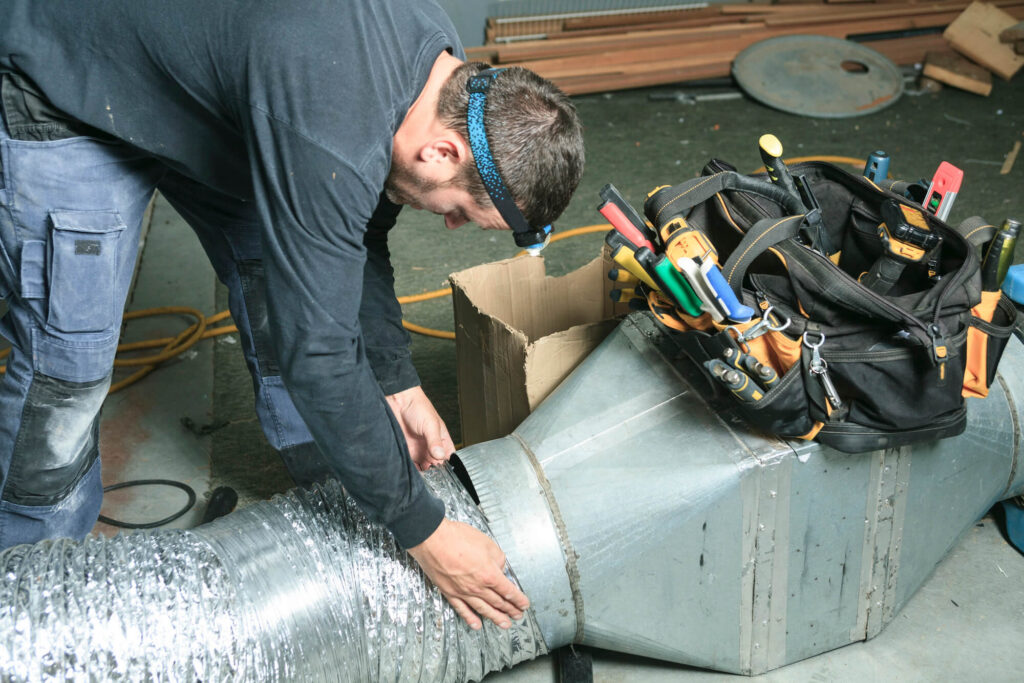
New equipment needs appropriate airflow. A professional inspection from an HVAC technician can assess whether the existing duct system has suitable supply and return capacity, connections and seals are intact, and if the ducts are appropriately insulated and in good physical condition.
If the ductwork is sound and compatible with the new equipment, replacement may be unnecessary. If major deficiencies are identified, correcting them may become part of the HVAC installation project.
What a Professional Air Duct Evaluation Should Include
You shouldn’t have to choose between another cleaning and a major replacement project based on a quick look through one vent.
A useful evaluation should help determine whether the ductwork is dirty, damaged, leaky, contaminated, poorly designed, or some combination of those conditions.
Depending on the system and concern, a professional evaluation may include:
- Visual inspection: Check accessible ductwork, supply and return connections, registers, and problem areas.
- Material and condition assessment: Identify flexible ductwork, sheet metal, duct board, insulation, and their physical condition.
- Damage inspection: Look for corrosion, tears, disconnected sections, moisture, or evidence of pests.
- Airflow testing: Investigate persistent temperature, airflow, or noise issues where appropriate.
- Leakage or air pressure testing: Measure system conditions when testing is needed to diagnose suspected air loss or pressure problems.
- Photo or video documentation: Provide evidence from accessible problem areas where practical.
- Clear recommendations: Separate what can be cleaned from what may require sealing, repair, further HVAC diagnosis, or replacement.
Evidence is much more useful than assuming old ducts need replacement or assuming dirty-looking ducts only need cleaning.
Should You Clean Ductwork Before Replacing It?
If a section of ductwork has definitely been scheduled for removal and replacement, cleaning that same section beforehand generally provides little value.
But duct replacement isn’t always an all-or-nothing project.
If an HVAC professional determines that only certain runs need replacement while the remaining ductwork is structurally sound, professional cleaning may still make sense for the portions of the system that will remain in service when significant debris is present.
Again, the condition of the system should determine the service.
The Bottom Line: Replace Ductwork When Cleaning Can’t Fix the Actual Problem
So, when should you replace ductwork?
The simplest rule is: clean ducts that are structurally sound but dirty, repair or seal localized problems when practical, and consider ductwork replacement when the duct material or design itself has substantially failed. Ductwork typically requires replacement every 10-15 years, though aging ducts and outdated ducts can develop problems well before that depending on installation quality and how hard the hvac system has had to work over the years.
A few signs point toward faulty ductwork rather than a simple cleaning issue. Visible corrosion on ducts indicates a need for replacement, and visible damage to ducts allows conditioned air, whether hot or cold air, to escape into unconditioned spaces, forcing your air conditioning system and hvac ductwork to work harder to reach the same comfort level. Ducts missing insulation can lead to significant energy losses, and air leaks or loose connections from improper installation can restrict airflow and lead to poor airflow throughout the home, both of which drag down your hvac system’s efficiency and push toward inefficient hvac operation over time.
Your energy bills and the air itself often tell you something is wrong before you ever see the ducts directly. A sudden spike in energy bills may indicate duct issues, and high energy bills can be caused by leaky or disconnected ducts, so rising energy bills that don’t match your actual usage are worth investigating. Noisy hvac operation, including strange noises from vents, can indicate duct problems, and persistent dust settling around the home suggests duct issues as well. Old ducts can trap dust and allergens, reducing air quality, and excessive dust in homes may indicate compromised ductwork rather than just a housekeeping problem. Musty odors when the HVAC system runs can indicate moisture or mold in ducts, and mold growth in duct insulation can pose health risks and often requires replacement, since mold growth in ductwork can lead to significant respiratory problems and general poor indoor air quality can cause respiratory issues and allergies for people living in the home.
If you’re unsure whether accumulated dust and debris are the real issue, Modern PURAIR® can help assess duct cleanliness and provide professional air duct cleaning when appropriate. Our technicians use professional cleaning equipment and show customers what was removed from the system. Regular maintenance can extend HVAC system longevity and improve air quality, and something as simple as changing HVAC filters regularly is crucial for ductwork maintenance and helps existing ductwork keep working at something closer to maximum efficiency.
If an evaluation identifies significant structural damage, design problems, or HVAC installation issues that require duct replacement or redesign, those findings can help you have a more informed conversation with a qualified hvac contractor or appropriately qualified air duct replacement services about new air ducts and your hvac unit as a whole.
The goal isn’t to keep cleaning ductwork that has failed, or to replace ducts that simply need cleaning. It’s to identify the actual problem and choose the service that addresses it.