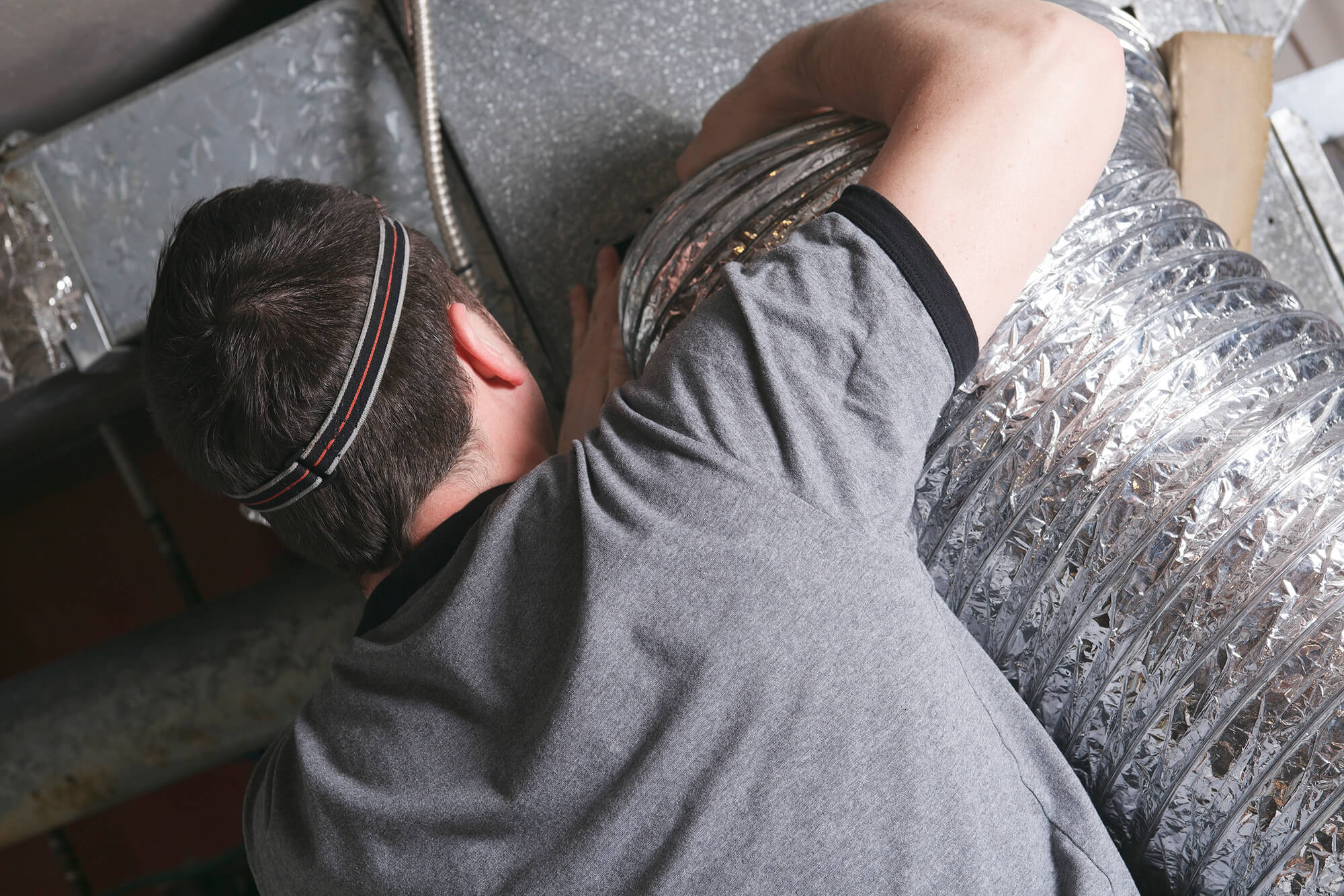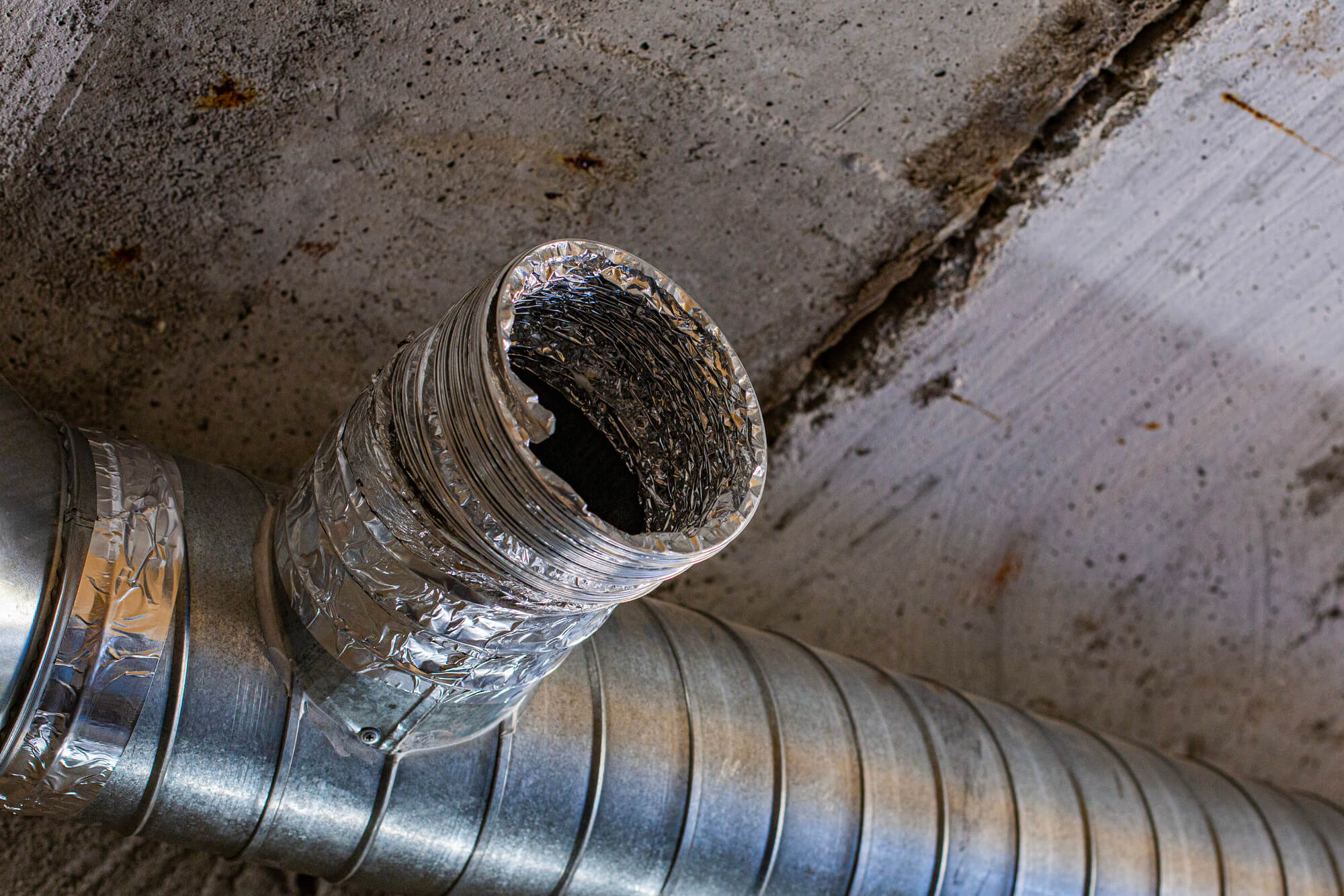
You’ll walk the house, inspect the HVAC system, and maybe even test dryer performance, but air quality is easy to overlook. When you move in, you don’t just inherit someone else’s layout: you inherit their air, circulating through the same duct system they used for years.
Dust, drywall dust, pet dander, pollen, and mold particles can accumulate inside ductwork where you can’t see them.
This buildup of contaminants can adversely affect indoor air quality and even pose challenges for those with respiratory issues. Sometimes it’s just normal household dust or dirt, but in some homes, it’s heavy enough, or mixed with allergens, moisture, or odors enough, that it is worth addressing before your family spends a single night there.
By the end of this guide, you’ll know what can hide in your air ducts, how to conduct a quick inspection yourself, and when residential air duct cleaning or an inspection from professional duct cleaning service providers is needed.
We’ll cover when a professional air duct cleaning or air vent cleaning is worth it, including HVAC components like cooling coils or heat exchangers, all while considering budget constraints. Whether you’re dealing with bacteria, microbiological growth, or possible duct contamination, you’ll learn how to integrate this into your energy-efficient home maintenance plan without breaking the bank.
*This guide is for general information only, not medical or building-code advice. If anyone in your household has a respiratory condition, please follow your clinician’s guidance first.
What’s Actually Hiding in Your New Home’s Duct System
When you’re moving into a new home, we highly recommend you consider the condition of the air ducts within the HVAC system.
Duct cleaning can significantly improve the Indoor Air Quality, impacting your family’s health and comfort. The air ducts in many homes harbor a mix of fibers, skin flakes, tracked-in dirt, and cooking particles. However, in some cases, these components could be combined with higher-risk contaminants that might require residential air duct cleaning.
In most homes, the everyday dust in the ductwork is comprised of particles from carpets, clothing, and furniture.
Add in pet hair, tracked-in soil, pollen, or even possible construction debris (if the home was recently renovated or built), and you have the typical mix that professionals might uncover during a duct inspection.
If left unchecked, high levels of dust and debris could affect both the duct system’s efficiency and your family’s respiratory health.
Common Buildup Often Includes
- Everyday dust like fibers and dirt from carpets, furniture, and clothing.
- Tracked-in particles that include fine grit and soil from shoes and pets.
- Normal household debris, such as skin flakes, cooking particles, and general lint.
Higher-Risk Factors That Require an Air Duct System Cleaning
- Moisture or past water issues that can promote mold growth and microbiological growth within the ducts.
- Long-term indoor smoking or heavy pet traffic, which can lead to significant residue and odors, causing duct contamination.
- Unprotected renovations that may have introduced drywall dust or insulation debris into the HVAC system.
Should you detect these issues, we advise you to schedule your air duct cleaning with a professional duct cleaning service provider.
Opting for air duct cleaning could eliminate contaminants like mold and improve energy efficiency by sealing duct air leaks. Furthermore, National Air Duct Cleaners Association (NADCA) certified professionals can offer assurance that residential air duct cleaning is performed to high standards.
Ultimately, the goal of air duct cleaning, alongside routine HVAC maintenance, is to ensure that your duct system operates effectively, offering optimal air quality and safeguarding your health as you settle into your new home.
How to Check Your Ducts Before You Get the Keys
A quick inspection and a simple visual look can tell you a lot about the ductwork before you move in.
The goal is to combine paperwork, a few targeted “peek inside” moments, and your senses to assess the condition of the air ducts. Identifying potential duct contamination from dust or other debris gives you specific concerns to discuss with the seller or with certified professionals like a duct cleaning service provider.
Start With the Paperwork
Ask the seller, landlord, or builder for HVAC invoices or service reports. You’re looking for recent residential air duct cleaning services, and any notes on mold growth, water damage, or pest infestations that might affect air quality.
A detailed invoice for a recent whole-home duct inspection with analysis from microbiology laboratories is a good sign.
Conversely, a one-line “duct cleaning special” from years ago won’t tell much about potential issues such as duct contamination or moisture concerns.
Then Look Inside a Few Vents
On your final walkthrough, examine the air conditioning vents rather than just focusing on aesthetics. Gently remove a few supply and return registers near high-traffic areas or the HVAC unit, then shine a light into the ductwork.
- Normal: A light film of dust.
- Not Normal: But thick mats of drywall dust, chunks of construction material, or obvious pest evidence are red flags. These contaminants, including allergens, dust mites, and pollen, can impact respiratory health and affect overall HVAC system performance.
Long-term smoking, multiple pets, past flooding, or major remodels all place a greater emphasis on the importance of duct cleaning.
If odors, such as the smell of paint or pets, raise concerns, it is wise to schedule your air duct cleaning with a reputable company. A professional will check for issues such as microorganisms, bacteria, or fibers from fiberglass duct board, all of which are noted by NADCA standards.
Addressing issues now can prevent future energy costs and increase the lifetime of your duct system, ensuring better home maintenance and energy efficiency for new homeowners.
Simple DIY Steps You Can Take Before Move-In
Before hiring a professional duct cleaning service provider, there are some basic steps for air duct cleaning that you, as a new homeowner, can undertake to improve indoor air quality and ensure your family enjoys the new space.
These simple tasks address surface-level concerns related to HVAC systems, not deep-cleaning the entire ductwork, which should be left to professionals to avoid disrupting debris like drywall dust, allergens, and dirt.
Step 1: Clean Registers and Grilles
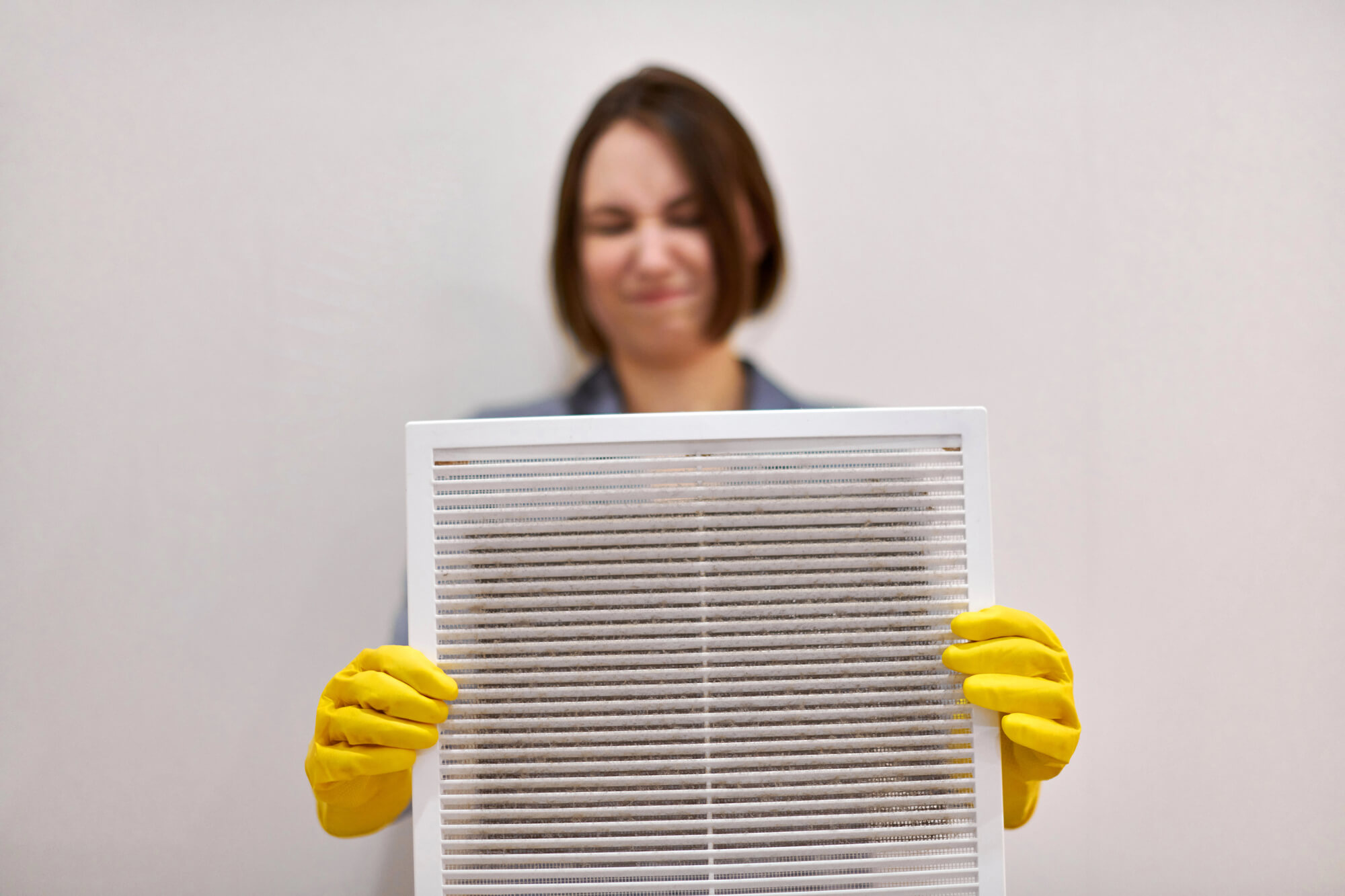
Carefully remove registers and grilles and wash them with mild soap and water. Thorough air vent cleaning will help reduce dust and contaminants. Ensure they are completely dry before reinstalling to prevent any mold growth.
Step 2: Vacuum Just Inside the Openings
With a brush attachment, gently vacuum the first short section of your air ducts that you can reach. This step helps in removing any possible remodel dust, pollen, and animal hair from the duct system, improving air quality. Avoid pushing tools deeper into the ductwork to prevent both damaging the system and releasing contaminants like bacteria or microbiological growth.
Step 3: Install a Fresh, Properly Sized Filter
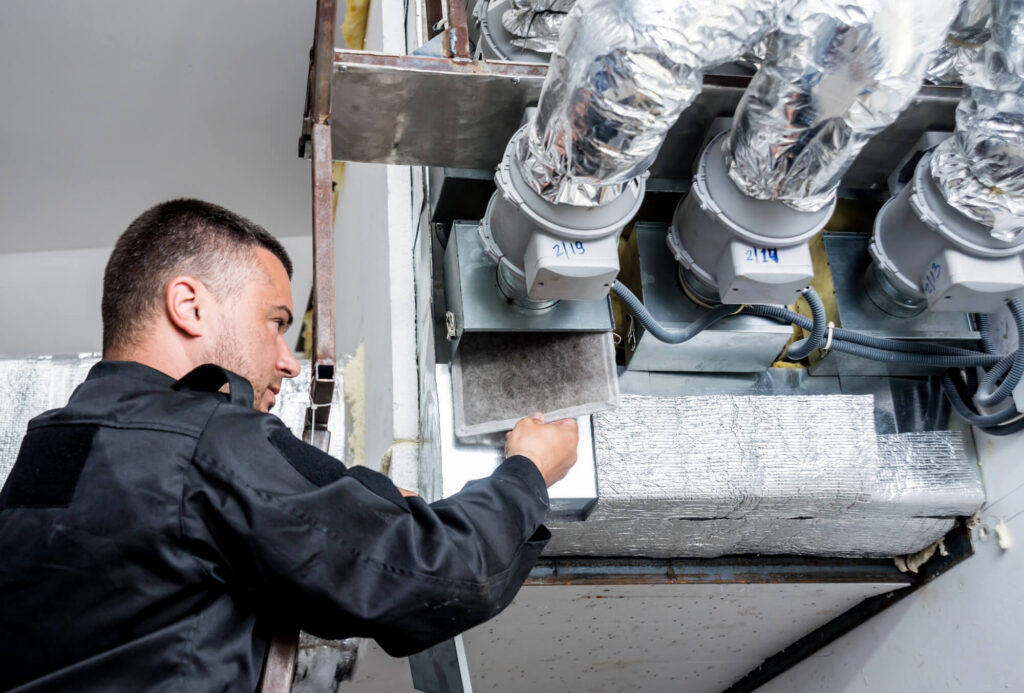
Replace the system’s air filter with one that fits correctly and is recommended for your HVAC system. This simple act can significantly enhance residential air duct cleaning efforts by trapping dirt, allergens, and other contaminants before they enter your living spaces.
Step 4: Know When to Stop DIY
If you notice issues such as mold-like growth, crumbling insulation, heavy debris, or evidence of pests, stop and contact a professional air duct cleaning service provider. Such signs may indicate duct contamination, requiring expert inspection and possible treatment with sealants or chemical biocides in consultation with accredited standards.
Avoid DIY methods like using leaf blowers or shop vacuums for deep cleaning your operating duct system. These can dislodge and spread debris to areas like cooling coils or the blower, affecting energy efficiency and lifespan, thus increasing energy costs.
Professional services use specific negative-pressure equipment to ensure thorough cleaning and maintenance according to guidelines such as those provided by the Sheet Metal and Air Conditioning Contractors’ National Association.
When Duct Cleaning Belongs on Your Move-In List
Whether duct cleaning belongs on your move-in list depends on how your new place lines up with low-, medium-, or high-priority signs.
By looking at age, history, what you can see in the vents, and who will be living there, you can quickly sort your home into one of those buckets. That way, you reserve pre-move cleaning for situations where it is most likely to help instead of treating every house the same.
Most homes will land in the low- or medium-priority range. High-priority cases are the ones where you have already seen, smelled, or been told something that makes you uneasy.
Here is a simple way to think about it:
| Priority | Typical signs | Suggested action |
| Low | Newer or well-maintained home, no smoking or water damage, vents look lightly dusty, system recently serviced | Start with a fresh filter, basic cleaning, and routine HVAC service; revisit ducts after your first season. |
| Medium | Older ventilation system, pets, light renovation dust, lingering but mild odors, no obvious mold or pests | Consider a professional inspection or camera review; clean if you see clear buildup. |
| High | Visible mold or moisture, heavy debris, pests, long-term smoking, major recent construction with unprotected ducts, or older homes with complex system layouts | Schedule professional cleaning before move-in by a company that uses negative-pressure equipment and contact-cleaning methods. This is especially important with children, older adults, or anyone with asthma or allergies. |
If anyone in your household has a diagnosed respiratory condition, their clinician is the right person to discuss symptoms with; cleaning decisions should sit alongside, not instead of, medical advice.
When you are unsure which bucket your home falls into, a professional inspection-first visit can give you clearer answers before you decide.
What Can Happen If You Skip Air Duct Cleaning in a High-Risk Home
Skipping air duct cleaning in a high-risk home — including any new house, recently purchased previously owned home, or property where the duct work has not been inspected since the previous owners moved out — might lead to several issues gradually. Often, these problems develop slowly and might not initially seem linked to the HVAC system or the dirty air ducts circulating dust-laden air throughout the entire home.
Homeowners might notice increased respiratory symptoms due to dust and allergens accumulating in the return air ducts and throughout the entire heating and cooling system — an impact that can be particularly pronounced in families with children, pets, or individuals with respiratory conditions like asthma who face greater exposure to the indoor air problems that dirty air ducts create when the air conditioning system operates.
Here are common issues associated with neglecting air duct cleaning and allowing accumulated debris, microbial contamination, and visible debris to build up throughout the duct work:
Increased Irritation for Sensitive Family Members: The presence of dust, dust mites, pollen, mold, and bacteria — contaminants that air ducts can harbor including hidden dust mites and bacteria not visible without specialized equipment or access holes inspection — in the duct system can lead to extra coughing, sneezing, or eye irritation when the HVAC system operates. Dirty air ducts circulate dust-laden air containing these contaminants throughout the entire home with every heating and cooling cycle, meaning the entire system becomes a distribution network for indoor air problems rather than simply a comfort system. Residential air duct cleaning that addresses the entire system including air ducts coils, return air ducts, and other components can help reduce these contaminants and improve air quality — though the environmental protection agency EPA notes that such claims about health benefits should be evaluated carefully and that homeowners should avoid companies making unsubstantiated health claims about duct cleaning that the environmental protection agency does not support.
Persistent Odors: Contaminants like pet dander left behind by previous owners, smoke, or mold growth in the ductwork can lead to unpleasant smells that fresh paint, new house preparations, and new carpet cannot mask. Ducts may contain harmful debris like drywall dust, pet dander, and mold spores that penetrate deep into the duct work where fresh paint and surface cleaning cannot reach — and odor elimination through proper cleaning and maintenance of dirty air ducts including the return air ducts and air ducts coils can significantly improve the atmosphere of a home and provide the hygienic fresh start that moving into a new house deserves.
Reduced HVAC Efficiency: Accumulated debris, drywall dust, and dirt build-up throughout the entire system can restrict airflow in both the return air ducts and supply ducts, causing uneven temperatures, reducing hvac performance, and increasing energy costs across the entire heating and cooling system. Routine maintenance — including sealing duct air leaks, cleaning air ducts coils and blowers using specialized equipment, and addressing flex duct sections where accumulated debris can be particularly difficult to remove without proper cleaning technique — can enhance energy efficiency and system lifetime. Duct cleaning is specifically recommended after construction or purchasing a previously owned home where the entire system may contain construction debris, drywall dust, or accumulated debris from previous owners that is actively compromising hvac performance.
Potential Health Concerns: Substantial visible mold growth, duct contamination, and microbial contamination throughout the duct work can further compromise air quality and the health of the family — and the environmental protection agency EPA recommends that substantial visible mold growth inside the duct work is a clear situation where you should hire duct cleaners rather than attempt remediation without professional help. Engaging with a certified air duct cleaning company that provides duct cleaning services in compliance with duct cleaning standards set by the National Air Duct Cleaners Association can mitigate these risks — including the risk that an inadequate vacuum collection system used by poorly trained professionals could release accumulated debris and microbial contamination back into the living space rather than removing it from the entire system.
System Damage and Increased Energy Costs: A clogged or inefficient duct system strains the air conditioning system and entire heating infrastructure, affecting hvac performance, increasing energy consumption, and potentially voiding the manufacturer’s warranty. Poorly trained professionals can damage ductwork including flex duct sections during cleaning if they use improper agitation tools or an inadequate vacuum collection system that fails to maintain proper negative pressure throughout the entire system. Ensuring proper air vent cleaning, regular inspection using access holes to evaluate the inside of the duct work, and working only with a reputable air duct cleaning company that follows duct cleaning standards can promote energy conservation and reduce energy expenses over the long term.
Air duct cleaning should be considered an integral part of home maintenance, particularly for high-risk environments — and duct cleaning prevents construction debris from circulating in newly built homes while also providing a hygienic fresh start in any previously owned home where the history of the duct work and the indoor activities of previous owners may be unknown.
Scheduling professional residential air duct cleaning before move-in with a qualified air duct cleaning company that uses specialized equipment, maintains proper negative pressure with an adequate vacuum collection system, and follows the duct cleaning standards established by the National Air Duct Cleaners Association can help assure peace of mind by safeguarding air quality, addressing accumulated debris and microbial contamination before they become indoor air problems, and extending the lifespan of your HVAC system.
Where Professional Help Fits Into Your Move-In Plan
A good professional air duct cleaning company that provides duct cleaning services helps you confirm what you are seeing — whether that is visible debris in return air ducts, dust buildup around access holes, substantial visible mold growth in flex duct sections, or simply uncertainty about what the previous owners’ indoor activities may have left behind in the duct work — and match the work to your home’s actual condition instead of selling a one-size-fits-all clean. Talk to at least three service providers before choosing, check references to ensure customer satisfaction with the services provided, request written estimates that clearly outline the total cost and scope of work before anything begins, and verify credentials through the local better business bureau and National Air Duct Cleaners Association to confirm the company follows established duct cleaning standards.
The better providers start with inspection — using specialized equipment, cameras, and access holes to evaluate the inside surfaces of the entire system including return air ducts, air ducts coils, and flex duct sections — explain what they find in plain language, separate true must-do items like substantial visible mold growth or significant microbial contamination from nice-to-have upgrades, and provide written estimates with a written agreement outlining exactly what work will be performed, what the total cost will be, and what the process for addressing any issues discovered after work begins will look like. Avoid companies making unsubstantiated health claims about duct cleaning that go beyond what the environmental protection agency EPA recognizes as established — such claims are a warning sign that a company may not be following legitimate duct cleaning standards or may be using the anxiety around dirty air and indoor air problems to sell unnecessary services.
Done well, that inspection process turns a vague concern about dirty air ducts and accumulated debris into a grounded decision about whether cleaning before move-in is worth your time and budget — providing clear before-and-after documentation of what was found in the duct work and what the proper cleaning process removed from the entire system.
In practice, that often means a camera or visual inspection through access holes to identify visible debris, substantial visible mold growth, microbial contamination, or other accumulated debris throughout the entire heating and cooling system, proper negative-pressure equipment with an adequate vacuum collection system to pull debris out instead of blowing it around with an inadequate vacuum collection system that would spread dust-laden air and contaminants into the living space, and contact cleaning of the duct surfaces using agitation tools to dislodge stuck debris — physically brushing and agitating the inside of the duct work to remove accumulated debris rather than just pulling air past it — all in line with current duct cleaning standards and industry best practices for HVAC hygiene including those established by the National Air Duct Cleaners Association. Final inspections check the cleanliness of ducts and may apply a sanitizer to address any remaining microbial contamination — though chemical biocides should only be applied after mechanical cleaning is complete and with full disclosure to the homeowner, as chemical biocides may have unproven effectiveness and health risks that warrant careful consideration before application to the entire system. On top of that, a reputable air duct cleaning company provides clear before-and-after proof so you can see what was removed from the dirty air ducts and duct work instead of taking it on faith.
Companies like Modern PURAIR® build their process around that kind of evidence and transparency, including upfront pricing with written estimates and a written agreement outlining total cost and scope before work begins, on-time arrivals, and a show-you-what-we-got-out walkthrough that documents what was removed from the entire system including return air ducts, air ducts coils, and flex duct sections — often backed by a clear satisfaction guarantee and a commitment to following established duct cleaning standards throughout the entire project.
If you are stuck between medium and high priority after your own checks of the duct work, return air ducts, and visible debris around registers and access holes, this is the point where bringing in a qualified air duct cleaning company can turn a fuzzy situation into a specific, written recommendation you can keep on file.
Give Yourself a Cleaner-Air Start in Your New Home
Moving is stressful enough without guessing what is hiding in the vents of a new house or wondering what accumulated debris, microbial contamination, or dust buildup from previous owners remains inside the dirty air ducts and duct work of your entire heating and cooling system. A quick history check, a careful look behind a few registers and through any accessible access holes, and an honest read of your household’s health needs will tell you whether duct cleaning belongs near the top of your move-in list — particularly if you find visible debris, dust buildup, or any signs of substantial visible mold growth in the return air ducts or other components of the entire system — or can safely wait.
Duct cleaning is recommended after construction or purchasing a previously owned home precisely because the history of indoor activities, maintenance practices, and potential accumulated debris from previous owners in the duct work is unknown — and clean air ducts provide the hygienic fresh start and the health benefits of starting your new chapter without the indoor air problems that dirty air ducts and microbial contamination create. Professional duct cleaning ensures all contaminants are removed before moving in, giving you and your family greater confidence in the air quality of your entire home from the very first day.
From there, you can decide whether simple DIY cleanup and a new filter are all you need, or whether a standards-based professional visit from a reputable air duct cleaning company that uses specialized equipment, maintains an adequate vacuum collection system, follows duct cleaning standards set by the National Air Duct Cleaners Association, and provides written estimates with a written agreement outlining total cost before work begins is the right way to line up clean air ducts with a clean set of keys.
If you would rather make that move-in call based on clear evidence instead of guesswork, book a visit from Modern PURAIR® so that professionals can walk the entire system with you — inspecting the duct work, return air ducts, air ducts coils, and flex duct sections through access holes using specialized equipment — show you exactly what accumulated debris, visible debris, dust buildup, or microbial contamination they find in the dirty air ducts, and give you a straightforward recommendation backed by written estimates and duct cleaning standards so you start this chapter with cleaner, more comfortable air in your new home.