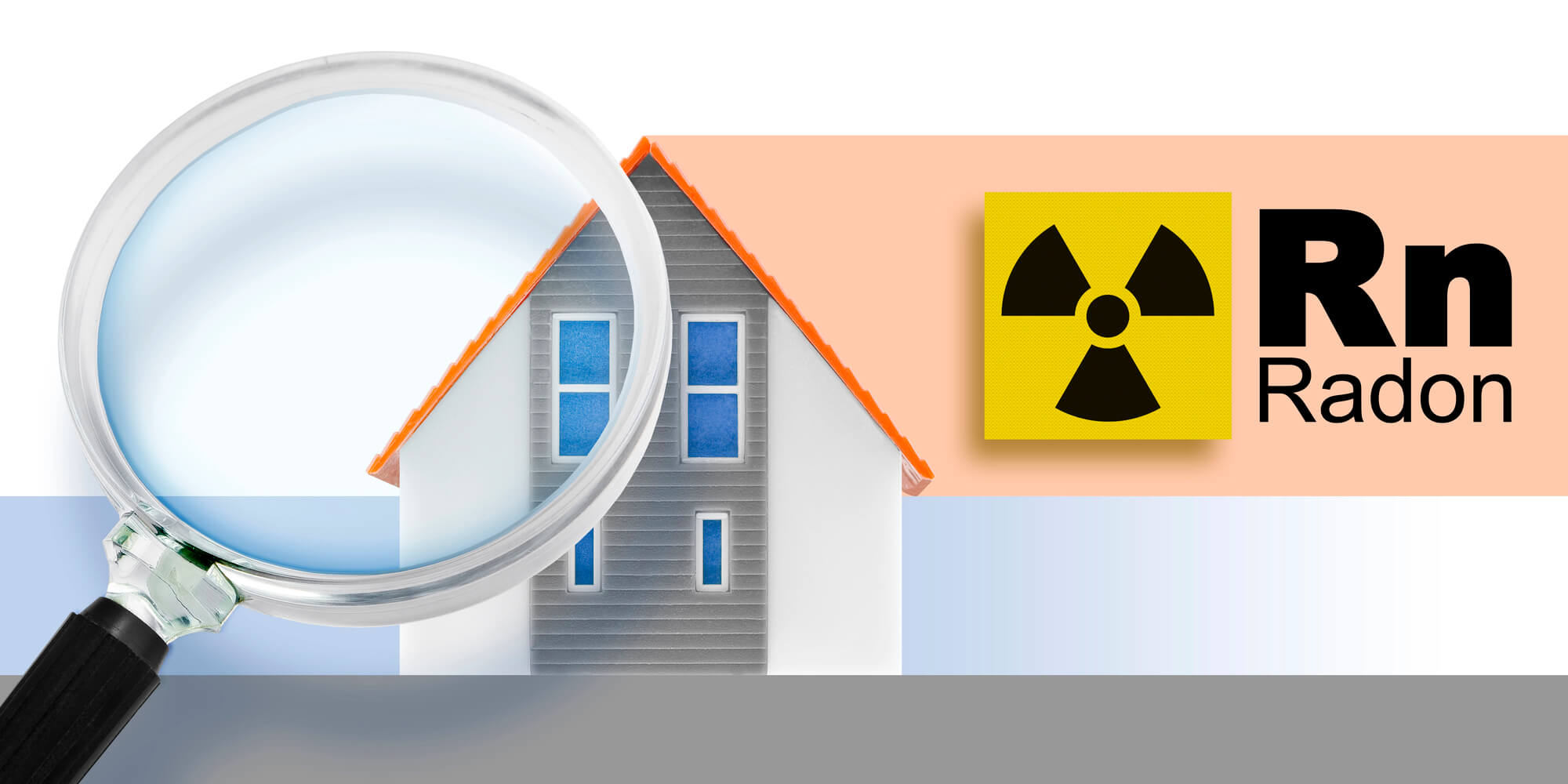
A home can look clean, smell fresh, and still have indoor air quality concerns you cannot see. In particular, it can have one particular air pollutant that should be treated seriously: residential radon gas.
Radon gas has no color, no smell, and no immediate warning sign, but elevated levels can affect your home’s long-term air safety.
The good news is that indoor residential radon is measurable, and high readings can usually be reduced with the right plan before they have any serious health effects.
This guide explains how radon gas affects indoor air quality, how radon in homes is tested, the available testing options, and when to involve qualified indoor air quality or certified radon professionals.
What Radon Gas Is and How It Gets Into Different Buildings
Radon is a colorless, odorless radioactive gas created when uranium in soil and rock breaks down through a process called radioactive decay. Outdoors, this gas usually disperses into the open air, minimizing health effects.
Indoors, however, it can accumulate and contribute to indoor air pollution, and is particularly worrisome due to its potential to cause radon-related lung cancers on a long-term scale.
Common entry paths for radon into many buildings include:
- Hairline cracks in slabs and foundation walls
- Gaps at floor-wall joints, sump pits, and plumbing penetrations
- Bare soil in crawl spaces and openings around pipes, ducts, or cables
Since radon is a major indoor air pollutant that can lead to lung cancer, it’s important for homeowners to conduct regular radon testing to monitor and maintain safe radon levels.
Testing should be more frequent in colder months when buildings are sealed against the elements, trapping radon gas indoors.
Slab-on-grade homes often need radon testing on the main floor, while basements tend to show the highest radon levels because they are closest to the soil where uranium is present and decays.
Multi-unit buildings should start testing at the lowest lived-in units or ground-contact floors and expand upward if results indicate high levels of the gas.
To effectively address this issue, homeowners may need to consider radon mitigation strategies if radon test kits reveal elevated levels of this harmful gas indoors.
How Radon Gas Affects Indoor Air Quality
Radon levels are not determined by how tidy your rooms are, how often you dust, or how new your finishes look.
- Slips Through Cracks: It moves with soil gas under and around your foundation, then enters through small openings when pressure differences pull that soil gas indoors.
- Odorless and Invisible: Because you cannot see, smell, or taste radon, a home can feel completely normal even when testing is needed.
- Increases Risks of Lung Cancer: The World Health Organization (WHO), the U.S. Environmental Protection Agency (EPA), and Health Canada treat the gas as an important lung cancer risk, including for people who do not smoke.
- Construction and Renovations Can Trigger Indoor Radon: According to the WHO, up to 30 percent of new or remodeled commercial buildings may have unusually high rates of complaints about indoor air quality due to indoor radon gas accumulating after the soil below was disturbed or building materials came into contact with it.
- Insulated Homes and Remote Workers Beware: Homes that are tightly sealed, used for remote work, or occupied for long hours may warrant extra attention, as exposure depends on both the levels and the time spent indoors.
- Testing is Key: The only way to know your home’s radon level is to test.
The Risks and Health Effects of High Indoor Radon Levels
It’s crucial to first highlight one fact: There’s no need to panic if your indoor radon levels come out high after a test.
Most of the worst health effects, including lung cancer, are cumulative, which means they’re a result of exposure over long periods of time, and vary from area to area inside your home or building.
Nonetheless, high levels of indoor radon should indeed be taken seriously for several reasons:
- When you breathe air that contains radon, radioactive decay products can settle in your lungs and damage lung tissue over time, leading to lung cancer.
- Higher radon levels and more time spent in that air both increase long-term risk.
- Smoking and radon exposure together create a higher risk for lung cancer than either factor alone, so smokers and former smokers should take elevated results especially seriously.
In the United States, the EPA recommends taking action at 4.0 picocuries per liter (pCi/L).
In Canada, Health Canada’s guideline is 200 becquerels per cubic meter (Bq/m³). Always follow the guidance for your country, province, state, or local authority.
Because radon risk generally increases with higher levels and longer exposure, reducing elevated levels as much as possible is still the goal.
A positive result for the gas can matter during purchases, renovations, rental reviews, school planning, and care-facility checks because they are measurable and documentable.
This article is for general education only; speak with a qualified health professional about personal health concerns.
Radon Testing Options: From Quick Checks to Long-Term Confidence
Testing is the only way to know your home’s radon level, which is crucial for indoor air quality and reducing health effects such as lung cancer.
It is usually straightforward and essential for assessing cumulative radon exposure and effective radon mitigation.
Short-term tests provide a quick screening result for immediate action on exposure, while long-term test kits offer a comprehensive overview of average exposure.
This is important for understanding the residential levels across different seasons and under variable conditions. Radon gas in homes can significantly contribute to indoor air pollution and requires targeted information for an effective radon mitigation system.
The main choices most homeowners consider for radon measurement include:
- Short-term radon test kits that measure radon levels for 2 to 90 days using devices like alpha-track detectors.
- Long-term radon test kits or passive detectors that assess radon exposure for more than 90 days offer better insight into potential radon gas health effects.
- Continuous electronic radon and air quality monitoring systems that track exposure patterns over time, providing data for radon mitigation systems if needed.
In Canada, Health Canada recommends using tests that are at least 91 days long when making corrective-action decisions to ensure the indoor air quality supports health and safety.
In the United States, the U.S. Environmental Protection Agency and state offices provide guidance on addressing radioactive gas exposure. Homeowners should also consider consulting Radon Professionals for formal evaluations, especially when decisions about a sale, renovation, or rental are influenced by radon risk.
Regardless of the testing method, adhere to device instructions and local guidance meticulously.
Proper placement, test duration, closed-window conditions, and the lowest lived-in level of the home are critical to achieving results that accurately reflect the indoor air people breathe and support the objectives of the National Radon Action Plan and local Radon Action Plans.
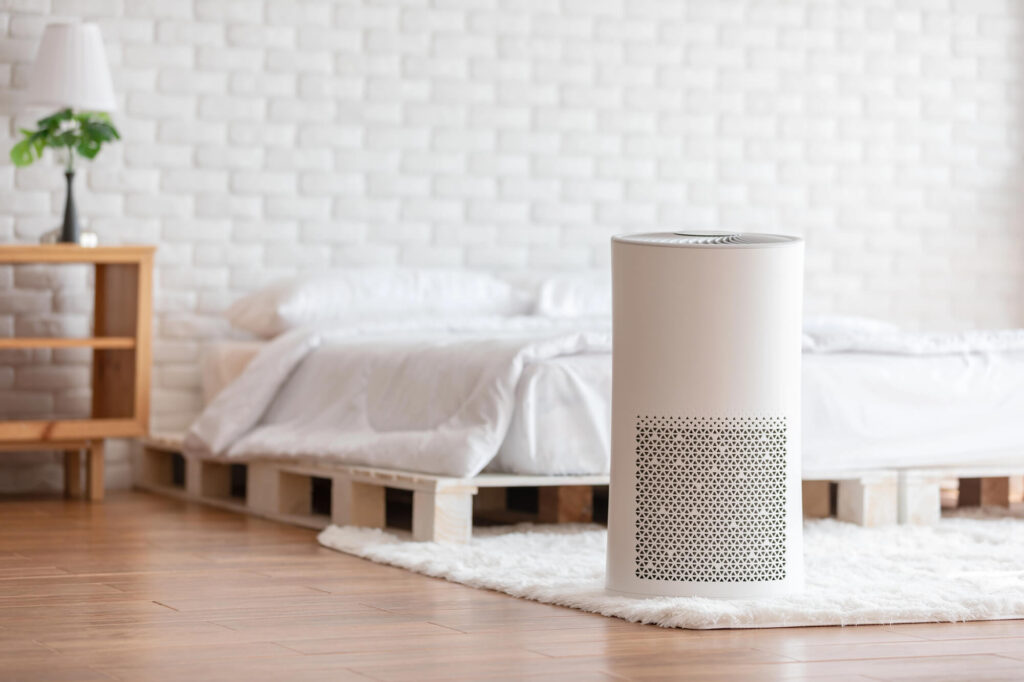
Can Air Purifiers or Duct Cleaning Remove Radon?
Air purifiers, furnace filters, and duct cleaning can support cleaner indoor air, but they do not solve an elevated radon problem at the source.
The radioactive gas usually enters from the soil beneath or around the building, so a high reading typically requires a dedicated radon mitigation system and strategy rather than standard HVAC cleaning alone.
Modern PURAIR® can help homeowners understand the broader indoor air quality picture by reviewing HVAC performance, ventilation, filtration, duct cleanliness, and air purification options. If radon results are elevated, follow local guidance and work with a qualified professional for mitigation planning.
Turning High Radon Readings Into a Clear Action Plan
If a test shows elevated radon, you are not stuck with that number.
In many homes, a common reduction approach is an active soil depressurization system that pulls soil gas from beneath the foundation and exhausts it safely outdoors. A qualified radon professional may create one or more suction points, run piping to the exterior, and use a fan that operates continuously. Follow-up testing confirms whether levels have dropped.
Because radon is a safety issue, testing and mitigation should follow local standards and certification requirements. In Canada, homeowners can look for C-NRPP-certified professionals.
In the United States, homeowners can contact their state environmental office or look for qualified radioactivity measurement and mitigation professionals.
Supporting steps can help a properly designed radon mitigation system perform better, although they rarely solve a serious problem on their own:
- Sealing visible cracks and openings in slabs or foundation walls
- Lining or sealing bare soil in crawl spaces during repairs or renovations
- Improving ventilation without creating major energy waste
- Retesting after mitigation, major HVAC changes, or energy-efficiency upgrades
Modern PURAIR® can support the broader indoor air quality side of the plan by assessing ventilation systems, ductwork, filtration, HVAC performance, and air purification needs. If your radon result is elevated, pair that IAQ insight with guidance from a certified radon professional.
Our home IAQ testing protocols identify the presence of indoor air pollution sources like dust, mold spores, carbon monoxide, VOCs (Volatile Organic Compounds), and more.
Take the Next Step Toward Cleaner, Safer Indoor Air
Radon gas indoor air quality becomes easier to manage when you treat it like any other home safety reading — test, understand the number, take action if needed, and retest after major changes. This naturally occurring radioactive gas escapes from soil and rock into homes where radon concentrations can build to levels that pose a genuine health risk, particularly because inhaled radon and the radioactive particles it releases cannot be detected without testing. Unlike outdoor air where radon escapes and disperses freely, enclosed residential spaces allow radon concentrations to accumulate — and high radon concentrations reached through radon entry into basements, crawlspaces, and foundation gaps represent one of the most significant residential radon exposure risks that homeowners can address with straightforward action.
If you are ready to make mitigation part of your indoor air quality plan, start with a test that matches the guidance for your area. Then use the information from the results to decide whether you need ongoing air quality monitoring to track radon concentrations over time, a certified radon professional to address high radon concentrations through mitigation, or a broader look at your home’s ventilation and HVAC system to reduce radon entry and improve the exchange of indoor air with fresh outdoor air. Even at low concentrations, residential radon levels are worth monitoring — and understanding your home’s specific radon concentrations gives you the information needed to manage this health risk confidently.
Modern PURAIR® helps homeowners and property managers better understand indoor air quality through indoor air quality testing that identifies radon concentrations alongside other health risk factors, ductwork insight, filtration recommendations, and air purification solutions that support healthier residential radon exposure outcomes over the long term.
Contact your local Modern PURAIR® team to review your indoor air quality concerns and identify practical next steps for your home or building.