You probably do not think about your ductwork until something forces the issue, like a line of ants near a vent, an unexplained odor, or debris around a register that does not look like ordinary dust. When that happens, it is reasonable to wonder whether bugs are actually living inside your air ducts.
The answer is usually more nuanced than it seems. Insects can enter ductwork and use it as a pathway through a building, but an occasional bug near a vent does not automatically mean the ducts are infested. Dust, moisture, damaged vent covers, and gaps in the system can all play a role.
This guide explains what bugs may get into air ducts, what signs are worth paying attention to, how moisture and building conditions contribute to the problem, and when pest control, duct cleaning, or both may be appropriate.
What Bugs Can Get Into Air Ducts?
Air ducts can become a surprising highway for various types of insects, thanks to gaps, damaged vent covers, and utility penetrations.
These common pests often do not start their infestations in the ductwork but use it as a passage between more hospitable environments:
1. Cockroaches: These resilient bugs can squeeze through the tiniest gaps in vent screen nets or duct dampers, thriving in dark and moist conditions.
2. Ants: Attracted to food crumbs and moisture, ants can easily travel through duct systems, linking their way through your building.
3. Spiders: Seeking insects as prey or solitude, spiders may use ductwork as convenient hideouts.
4. Beetles: Drawn by dust and debris, beetles could find their way into air ducts, though they are less common than other pests.
5. Flies and Sink/Drain Flies: These annoying pests can enter through open floor vents or register gaps, especially in areas of high humidity.
Dust mites offer a unique case; they thrive in soft, humid environments like carpets or sofa cushions rather than bare metal ducts. However, their waste and body fragments often integrate into the dust pulled into returns and vents.
A simple check of your air vent, a flashlight peek, may reveal more than just an even layer of gray dust. If you spot pepper-like droppings, wings, or webbing, it might be time to call a pest control professional or a professional air duct cleaner to ensure steady, clean airflow in your HVAC system.
How Do Bugs Get Into Air Ducts?
Most pests do not start their journey inside the ductwork; they enter from other parts of the building. Once inside, ducts serve as hidden highways, allowing them to travel between concealed spaces and occupied rooms without necessarily nesting inside the system for long periods.
Common ways bugs infiltrate ductwork include:
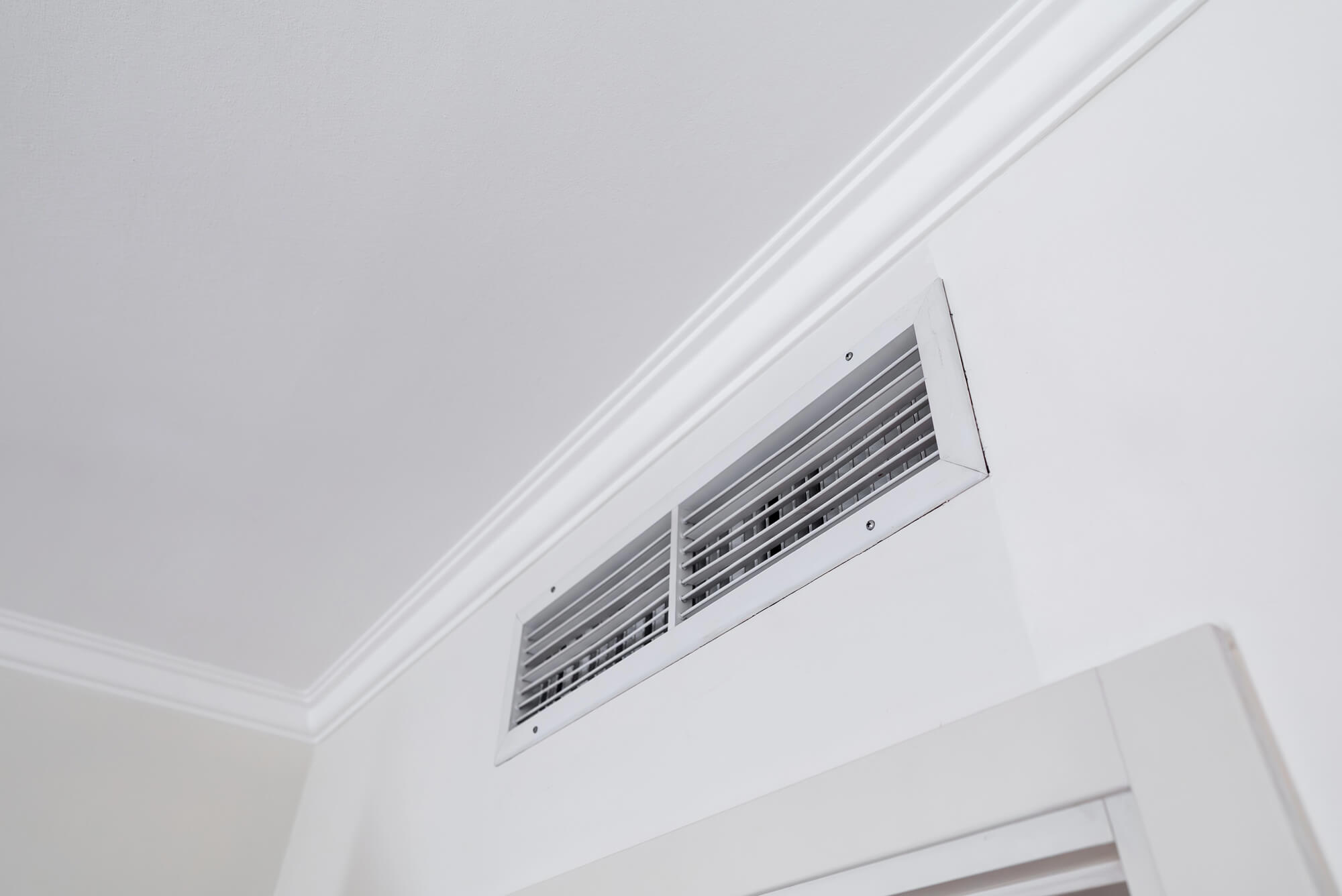
- Gaps around Floor Vents or Registers: Bugs exploit gaps around floor vents, wall, or ceiling registers where the metal does not fit tightly. This makes it essential to regularly check these areas and seal any openings.
- Unscreened or Damaged Exterior Vent Covers: Bugs can enter through unscreened or damaged vent covers on walls, roofs, or soffits.
- Damaged or dirty dryer ducts: Dryer ducting is another typical blind spot for many homeowners, who forget that those systems also need regular professional cleaning and maintenance.
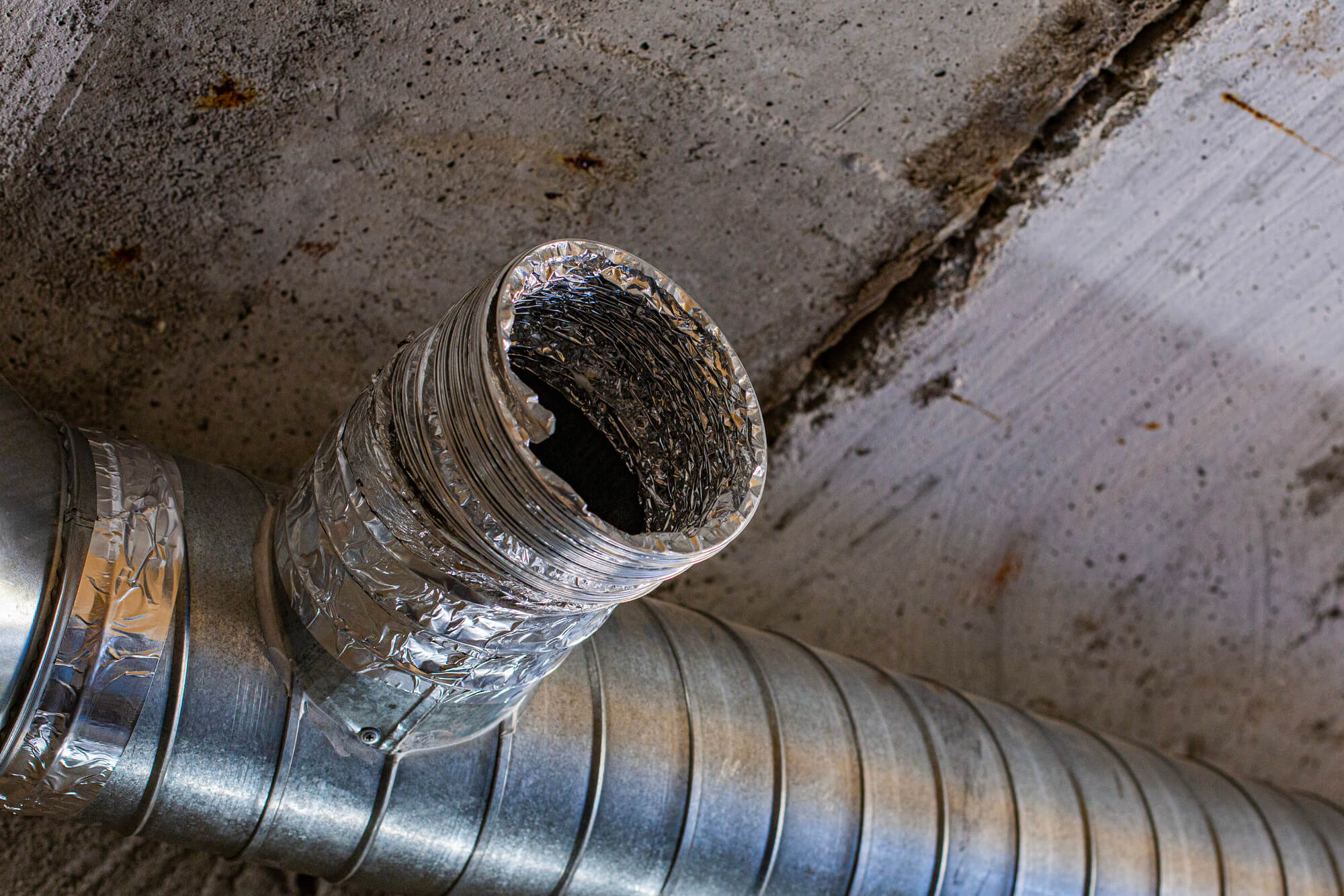
- Unsealed, Damaged, or Disconnected Duct Sections: In attics, crawlspaces, or mechanical rooms, such sections provide inviting entry points for pests. Sealing these sections can prevent insects from finding their way inside.
- Airflow Issues: Reduced airflow can cause dust and debris to accumulate, attracting insects. Ensuring maximum airflow with a clean HVAC system can help maintain a pest-free environment.
Recognizing these patterns and closing access points is more effective than worrying about unseen problems. This approach not only helps maintain a pest-free air duct system but also contributes to the overall efficiency and hygiene of your HVAC setup.
How Can Bugs in Air Ducts Affect Indoor Air Quality?
Bugs around floor vents and registers can become a significant indoor air quality issue when they stop being occasional visitors and start leaving droppings, pet hair, shed skins, nesting material, or bodies behind. If that debris, including items like crayons or building blocks, becomes part of the dust inside the HVAC system, some particles may enter the air stream or appear around registers.
You do not need to panic, but certain clues deserve attention:
- Unexplained irritation or respiratory symptoms that seem to coincide with heating or cooling operation
- Dark specks, fly wings, or bits of nesting material around vents instead of smooth gray dust
- Musty, rotten, or mousy odors that return quickly from the same branch of ductwork
- Repeated insect activity around the same floor registers or return vents
Those signs tell you the ducts and air handler need a closer look alongside bedding, carpets, and moisture conditions. Cleaning habits and checking components like vent screens and vent damper flaps can also help mitigate issues.
One clear “do not”: avoid spraying pesticides, foggers, or bleach into ducts.
Those products may not be appropriate for use inside HVAC systems and can create additional indoor air quality concerns. Instead, any pest treatment in or around ductwork should be part of a qualified pest-control plan, followed by contained, source-removal duct cleaning where needed to maintain maximum airflow and indoor air quality.
Why Do Moisture and Building Conditions Make Duct Pests Worse?
Moisture can intensify pest issues in your ductwork, creating problems with indoor air quality and potentially damaging building materials. Damp conditions are notorious for attracting insects like flies and supporting mold growth, while odors or debris such as pet hair may accumulate within HVAC components.
Common Trouble Spots Include:
- Cooling Coils: Condensation that collects on nearby insulation or structural materials.
- Humidifiers: Devices set too high or not cleaned and maintained properly.
- Fan Ducts or Vent Lines: Dripping into attics, ceilings, or wall cavities, which can lead to further pest intrusion.
- Leaks or Condensation: Slow leaks near duct runs, floor vents, registers, or mechanical equipment that increase the likelihood of pests taking up residence.
Addressing these conditions initially makes pest treatment, repairs, and air duct cleaning more effective and lasting.
In multi-unit or commercial buildings, moisture and pest patterns become even more critical. When several tenants or staff report odors or bugs around diffusers and floor registers in the same area, it suggests a shared ventilation, moisture, or building-envelope issue rather than isolated pest problems.
With these patterns, a coordinated assessment can help determine whether the source is moisture, pest access, airflow issues, or a combination, which should be resolved by a comprehensive inspection before cleaning or repairs are initiated. This preventive approach maintains both efficiency and max airflow within your HVAC system, ensuring better air quality and comfort.
Tips for Keeping Bugs Out of Your Air Ducts at Home
To protect your home from pests infiltrating your air ducts, consider the following preventive measures:
- Seal Gaps: Inspect and seal any openings around your ducts, vents, and registers using caulk or weather stripping. Pests can easily exploit even small gaps to enter your system.
- Install Screens: Installing a sturdy, mesh vent screen net and ensuring vent damper flaps are in good condition are key preventative measures. Ensure that the mesh screen is fine enough to deter small bugs.
- Maintain Cleanliness: Regularly clean your home and vacuum around vents to minimize debris that may attract insects. This is especially true for pet owners or those who live in dusty areas.
- Minimize Moisture: Keep humidity levels in check within your home, as insects are often drawn to damp environments. Use dehumidifiers if necessary and fix any leaks promptly.
- Inspect for Damage: Regularly check ductwork for wear and tear. Repair cracks, holes, or loose segments that might provide entryways for bugs.
- Schedule HVAC Maintenance: Have your HVAC system inspected and cleaned by professionals annually. Regular checkups can help locate pest entry points early and ensure your system is pest-free.
Implementing these strategies can significantly reduce the likelihood of bugs infiltrating your HVAC system, promoting a cleaner and healthier indoor environment.

When A Professional Duct Cleaning Fits into a Pest Plan
A useful standard for “clean enough” ducts is not perfectly shiny metal. Light household dust inside ductwork is common.
Instead, focus on three triggers:
- Visible vermin or pest debris in or around ducts
- Visible mold inside the system
- Heavy dust or debris that appears to be entering occupied rooms
When one or more of those are present, duct cleaning and repairs may deserve a place in your plan alongside pest control and basic building maintenance.
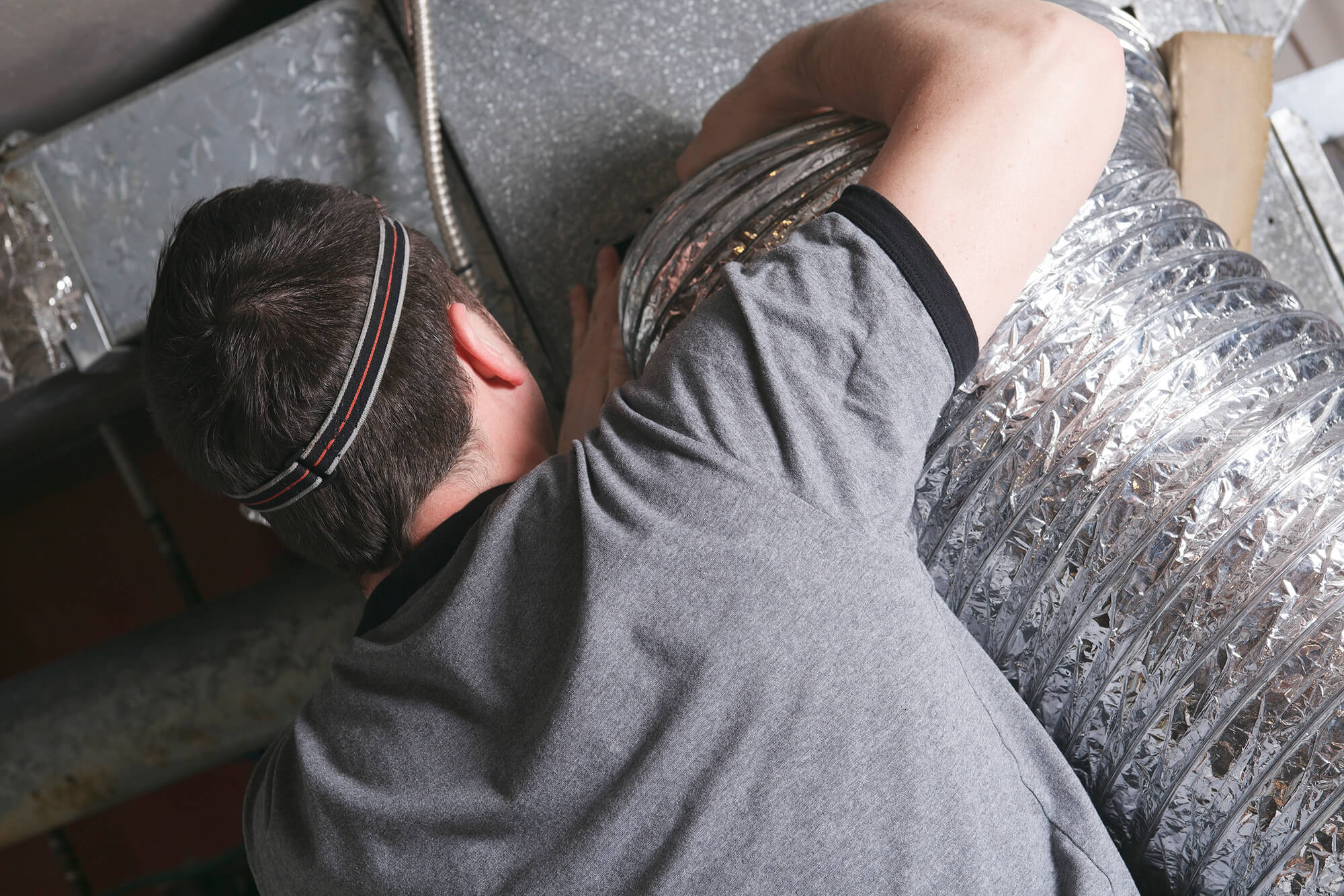
The order matters. Active infestations come first with a qualified pest-control company, especially when you see pests in living or working areas. Once activity is under control, a duct specialist can inspect the system, remove accumulated dust and pest debris using contained source-removal equipment where appropriate, and identify any obvious gaps or maintenance issues that may be contributing to the problem.
At Modern PURAIR®, that means giving you a clear explanation of what we find, showing you what we get out, and helping you understand whether duct cleaning fits into the larger solution. The goal is not to create urgency where there is none. It is to help you make an informed decision about your indoor environment.
Concerned About Bugs in Your Air Ducts? Modern PURAIR® Can Help
Seeing bugs near vents or smelling something you cannot ignore is unsettling, but it does not have to turn into a crisis. Roaches, mosquitoes, and other insects can find their way into an AC system through small cracks, poorly sealed vents, or poorly fitted duct connections, and once bugs inside the house find warm, sheltered spaces, they can spread throughout your home. The smartest next step is to treat pests, ductwork, and building conditions as one connected system: close the gaps around windows, doors, and the outdoor condenser, add fine mesh over openings where appropriate, dry out the damp spots from water leaks or standing water, control active pests, and clean where dirt and debris are clearly building up or affecting the HVAC system.
A few steps can help prevent bugs from getting in and stop bugs from settling into your air conditioner or AC unit. A local hardware store carries sealants and screens for many of these fixes, though persistent creepy crawlies may need more than a quick patch. Pay attention to unusual noises from the ductwork, since crawling or scratching sounds can point to a bigger problem. It’s also worth keeping an eye on how cool air moves through the house, because blocked or damaged HVAC units can contribute to potential issues that affect comfort and, in some cases, health issues. Other insects and pests can show up almost anywhere in the world, but the conditions that invite them are often the same.
If you would rather not sort that out alone, talking with a professional team that leads with inspection, clear reporting, and visible proof can take the pressure off. Modern PURAIR® is built around that kind of approach, on-time arrivals, upfront pricing, contained source-removal cleaning where appropriate, and a clear explanation of what we find and what should happen next.
If you are ready to move past the guesswork, book now and take the next step with Modern PURAIR®.