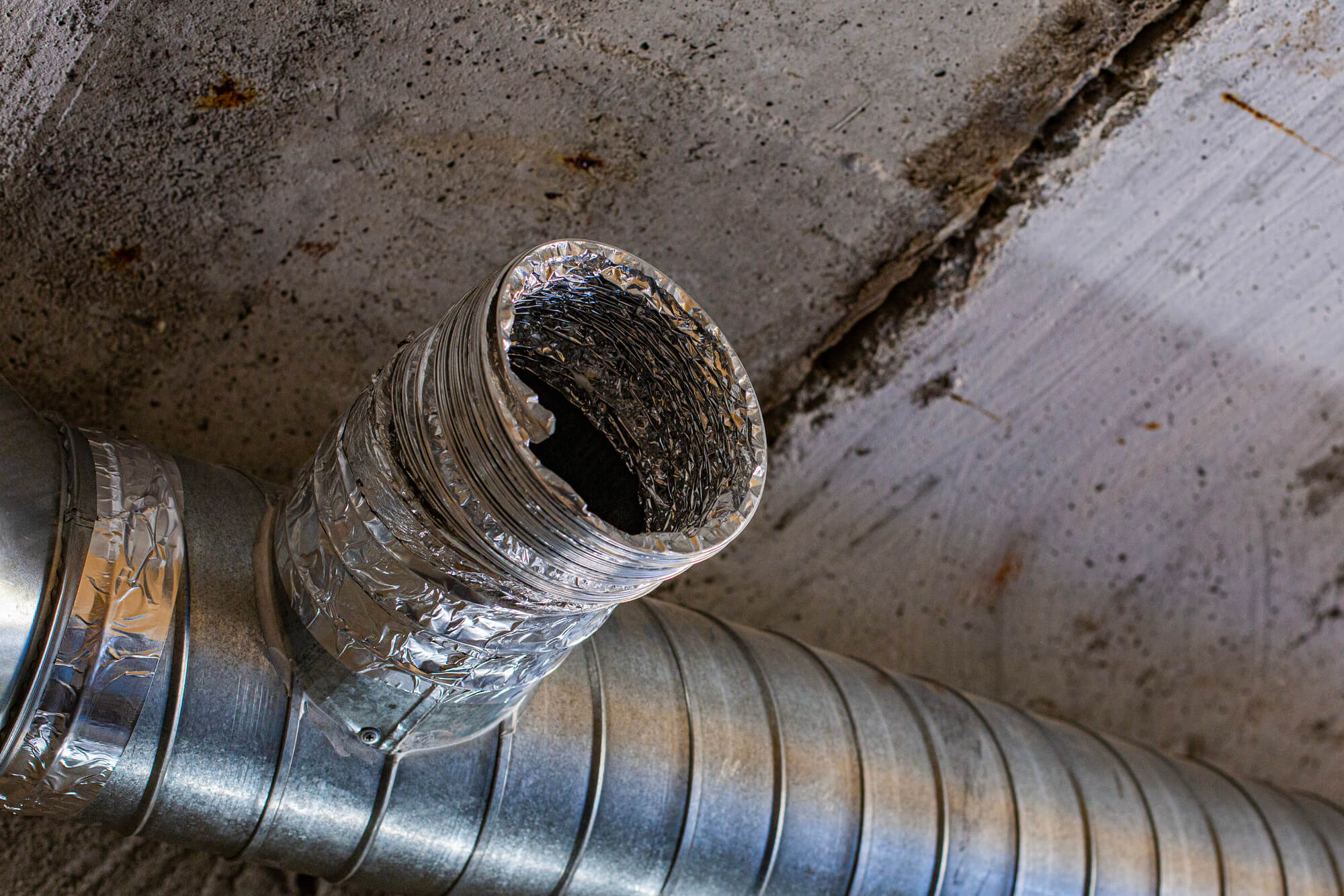
If you look around your home or building, you can see dust on surfaces and vents, but not what is happening deep inside the ductwork. Complaints about stale air, renovation dust that never seems to go away, or lingering odors often start you wondering whether the “lungs of the building” are carrying more than just air. Wiping grilles helps appearance, yet it does little for the main runs that move air all day.
How those hidden spaces are cleaned matters. A proper air duct cleaning process should remove debris from inside the HVAC system while controlling where that material goes during the work. Negative pressure is one of the key methods used to keep loosened dust and debris contained as it is collected.
This guide will help you understand what negative pressure duct cleaning is, how it works, when it may help, and what to ask before you schedule it.
What Is Negative Pressure Duct Cleaning?
Negative pressure duct cleaning is a source-removal method used to clean HVAC ductwork. It is designed to reach dust, debris, and other material that can collect deeper inside the system, well beyond what wiping, mechanical agitation, or regular vacuuming of the registers can address.
The HVAC system is placed under controlled negative pressure while specialized tools loosen material from interior surfaces. That controlled airflow helps move loosened debris toward sealed filtration or collection equipment instead of allowing it to spread into occupied spaces.
How Negative Pressure Actually Works Inside Your Ductwork
In a proper negative-pressure air duct cleaning job, the entire air duct system is placed under vacuum, ensuring that air flows steadily toward a HEPA negative-air collection unit while tools dislodge debris. This process not only enhances indoor air quality but also promotes system protection by preventing debris from circulating back into the living environment.
Professional source-removal cleaning typically combines two functions: agitation to loosen material from interior surfaces of air ducts and negative pressure to help contain and move that material toward the collection equipment as it’s dislodged from the HVAC system.
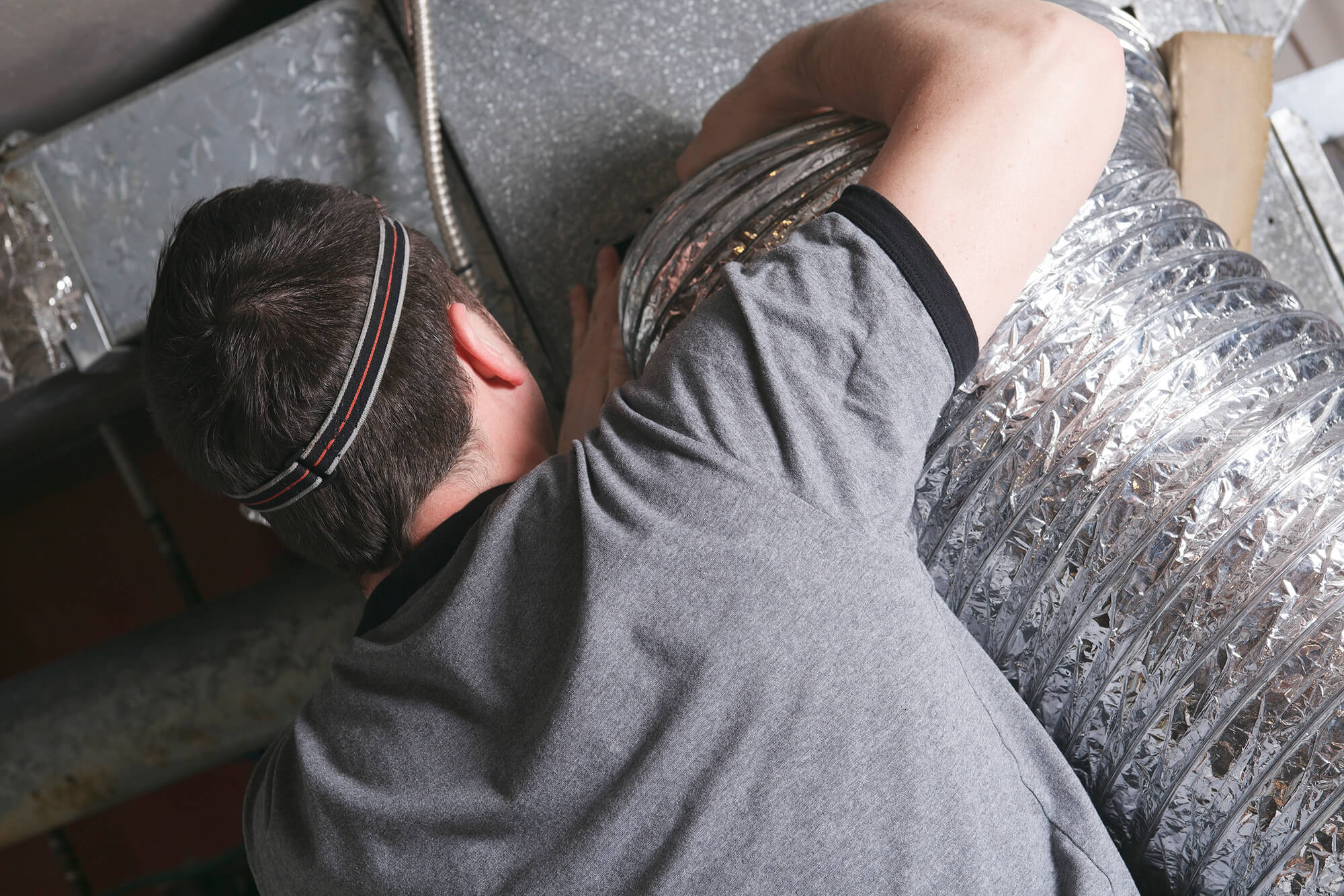
Technicians may use tools such as rotary brushes and air whips matched to the duct material, especially on older, flexible, or internally lined ductwork, where aggressive tools might otherwise cause damage.
Technicians connect a high-capacity vacuum system to the main supply or return trunk lines, then manage or seal registers so each run is cleaned while negative pressure is maintained.
Branch lines are also agitated and monitored for issues such as mold treatment needs or signs of rodent intrusion.
On a real job, you should see:
- A main vacuum connection at a trunk line, not only small hoses at grilles
- Registers sealed or managed as each run is agitated, with furnishings protected
- A clear explanation of how debris is being collected, often with containment technology
- A visible proof of what was removed after the work is done, sometimes accompanied by photo-documentation
When these elements come together, negative pressure cleaning is a contained, predictable process rather than a messy attempt to blow dust around your building.
Proper air duct cleaning enhances airflow, aids in maintaining the HVAC system’s energy efficiency, and can even involve additional steps like sanitizing and final inspections for optimal air handling unit performance.
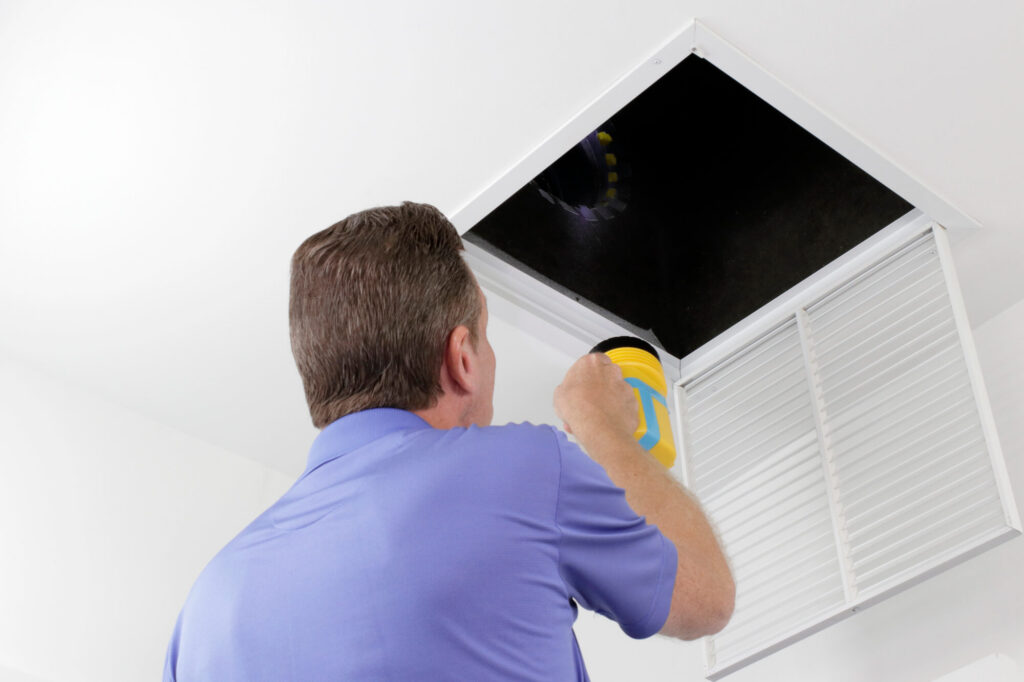
When Negative Pressure Air Duct Cleaning Helps and When Other Fixes Come First
Negative pressure air duct cleaning is most effective when there is a clear need to address contamination or debris removal within the duct system.
However, it is not a one-size-fits-all solution for every dusty room, unpleasant odor, or indoor air quality issue.
A negative-pressure air duct cleaning may be worth it when:
- Major renovations have left fine dust or construction debris inside the HVAC system.
- Signs of rodent intrusion or nesting material have been identified inside air ducts or vents.
- Dust, drywall debris, or other material is visibly blowing from supply registers.
- There is substantial visible mold growth present inside hard-surface ducts or HVAC system components, such as a damp evaporator coil, which has been addressed with mold treatment and moisture problem solutions.
- Recurring concerns appear to be isolated to a specific zone, riser, or section of a building.
However, other issues should typically be addressed before or alongside duct cleaning.
Leaks, moisture-damaged building materials, inadequate filtration, airflow issues, or general household dust may suggest a different underlying issue.
Active leaks impacting components like condensate drain pans or damp cooling coils should be fixed to maintain system protection.
Property management companies or individuals should pay extra attention to patterns in a single building or zone, which can highlight that the duct system deserves an inspection. In cleaner, dry systems equipped with good filtration, such as MERV filters, and proper ventilation, it might make more sense to investigate airflow, UV lights, humidity control, as well as other potential concerns first.
Implementing a thorough cleaning and inspection process ensures not just improved airflow and environment, but also adds a layer of system protection by addressing source removal with tools like rotary brushes and air whips, and considering remediation when necessary.
| Consider Negative Pressure Air Duct Cleaning | Investigate Other Steps First |
| Renovation debris has entered the HVAC system | Normal household dust with no specific contamination event |
| Pest contamination is present inside the ducts | Active leaks or moisture-damaged building materials |
| Debris is visibly blowing from the registers | Clean ducts, but inadequate filtration or ventilation |
| Concerns are isolated to one building or zone | General stuffiness caused by airflow, crowding, or closed vents |
The goal is to match the solution to the source of the problem rather than treating duct cleaning as the answer to every indoor air quality concern.
What NADCA Says About Negative Pressure
NADCA describes professional HVAC system cleaning as a source-removal process in which contaminants are loosened from interior surfaces while the system is maintained under negative pressure.
That distinction matters because negative pressure alone does not clean the ductwork. The vacuum system helps contain and collect loosened material, while appropriate agitation tools help dislodge debris from interior surfaces.
A qualified provider should be able to explain both parts of the process: how the negative pressure cleaning system will be maintained and how debris will be loosened and collected.
What to Look for in a Negative Pressure Duct Cleaning Provider
A proper source-removal job should go beyond a quick vacuum at the vents. Look for a provider that:
- Inspects the system before quoting
- Cleans based on actual conditions, not just what is easy to reach
- Explains how negative pressure is maintained and how the work area is protected
- Shows clear proof of contaminant or debris removal
- Is willing to explain when duct cleaning is not the right solution
Modern PURAIR® builds those expectations into the service experience with a clear walkthrough, upfront pricing, uniformed indoor air quality technicians, the PURAIR® cleaning process, and visible verification of what was removed.
When cleaning is not the whole answer, the team can also help identify whether air filtration, ventilation, moisture control, or other improvements deserve attention.
The service is backed by a 30-day satisfaction guarantee.
Clean Air Starts With a Process You Can See and Trust
Negative pressure duct cleaning matters because the method used to remove debris is just as important as the decision to clean in the first place. A well-planned source-removal process helps keep loosened material contained while giving you a clearer picture of what was actually removed from the system.
If your home or building shows the conditions described above, Modern PURAIR® can help you move from uncertainty to a clear next step, with upfront pricing, on-time service, visible verification, and a process built around cleaner, well-maintained systems.
Clean Air. We Live and Breathe It.®