You’ve probably stood in front of a wall of furnace filters, grabbed one that looked “close enough,” and hoped it would do the job. The house feels dusty, someone’s allergies act up, or your bills creep higher, but it’s hard to blame all of that on a thin cardboard frame.
Then the packaging starts shouting bigger MERV ratings and “hospital-grade” claims, while friends or online forums warn you about frozen coils and burned-out blowers.
It can feel safer to guess than to be wrong. While this article is general information about filters, comfort, and equipment care, not medical or design advice, we hope that after giving our guide a quick read, you’ll understand what a MERV rating air filter really measures, how it affects your indoor air quality, and how to choose a filter range your HVAC system can safely live with.
Always follow your equipment manufacturer’s guidance and talk to a qualified professional for specific recommendations.
What Happens When Your Air Filter Isn’t the Right Fit?
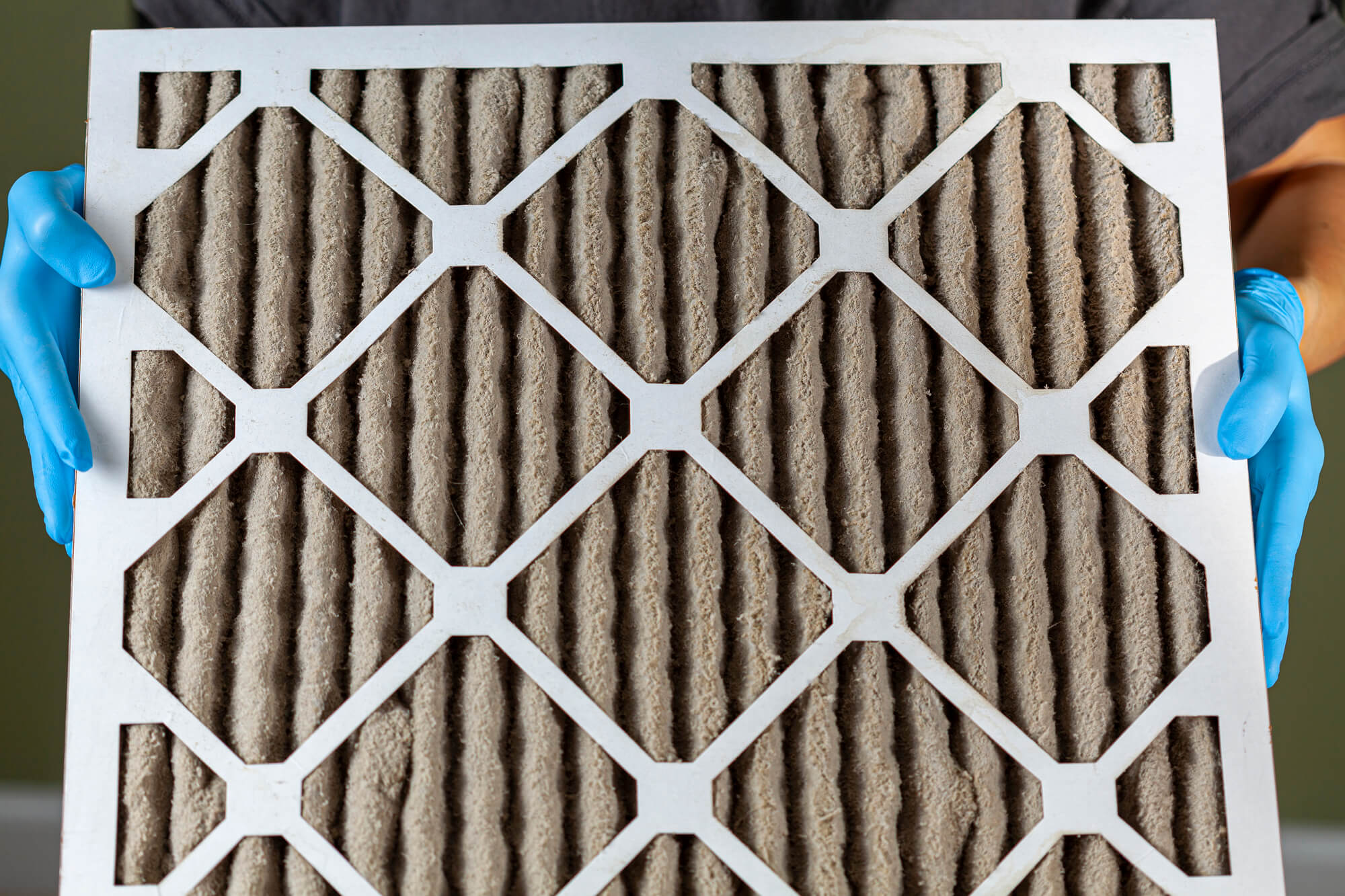
When your air filter isn’t a good match, your home usually tells you before your equipment does. You see dust that won’t stay gone, rooms that feel stuffy, or a furnace fan that seems to run longer and louder than it used to. A very basic filter lets fine airborne particles keep circulating, while one that’s too restrictive can quietly strain airflow in your HVAC system.
Day to day, that can look like:
- More dust settling again shortly after you clean.
- Air that feels stale, irritating, or harder to breathe in certain rooms.
- Vents or equipment panels marked by gray streaks or buildup around the openings.
- Reduced air circulation or uneven temperatures throughout the house.
Left alone, that mismatch can mean higher energy use, extra wear on motors and coils, and more service calls than you should need. Very often, the root issue is how the MERV rating you chose lines up with what your furnace, ventilation system, and ductwork were designed to handle.
What Does a MERV Rating Really Tell You?
A MERV rating, short for Minimum Efficiency Reporting Value, is a 1–16 scale created by ASHRAE, the American Society of Heating, Refrigerating, and Air Conditioning Engineers. The rating describes how effectively an air filter captures airborne particles as air moves through an HVAC system.
Lower-MERV filters mainly stop larger debris like lint and coarse dust. As you move up the scale, filters capture a higher percentage of smaller airborne contaminants, including:
- Pollen
- Pet dander
- Mold spores
- Smoke particles
- Bacteria
- Some viruses
- Fine dust and allergen particles
MERV ratings are also tied to particle size, often measured in microns. A micron is an extremely small unit of measurement used to describe airborne particles. The smaller the micron size a filter can capture, the more effective it may be for improving indoor air quality and micro particle reduction.
Just as important is what MERV does not tell you. The rating doesn’t show how restrictive the filter will be in your specific HVAC system, how well it fits the filter slot, or how quickly it will load up with dust and airborne contaminants.
That testing is done on a clean, properly installed filter in a controlled lab environment.
In real homes, airflow, ductwork condition, ventilation design, and filter maintenance all affect real-world performance.
How MERV Choices Affect Your Air, Health, and Comfort
In simple terms, MERV is one of the biggest factors (but not the only one) deciding how many airborne particles continue circulating through your home’s HVAC unit. Within the range your HVAC system can safely support, moving up the MERV ladder usually means fewer particles slip past the air filter and back into your living spaces.
For households dealing with allergies, pets, asthma triggers, wildfire smoke, or seasonal pollen, higher-quality filtration may support:
- Cleaner indoor air quality
- Reduced dust buildup
- Better allergen control
- Fewer airborne contaminants
- Improved comfort and sleep quality
Higher-rated filters, such as MERV 11 or MERV 13, are commonly discussed for homes concerned about smoke, bacteria, airborne virus concentrations, and finer airborne particles. However, stronger filtration only works well when the HVAC system is designed to maintain healthy airflow at that filter level.
If airflow becomes too restricted, your furnace and air conditioning equipment may work harder than intended.
Filtration is also only one part of healthy indoor air quality. Humidity control, ventilation, air circulation, regular duct cleaning, and air purification systems all play a role in reducing airborne contaminants inside a home.
Which MERV Range Makes Sense for Most Homes?
There is no single “best” MERV number for every home. The right air filter depends on your comfort goals, indoor air quality concerns, equipment age, and HVAC system design.
Most manufacturers list a recommended filter type or maximum MERV rating, and that should always be your starting point.
Here’s a quick comparison of common MERV ranges:
| MERV Range | Best For | Considerations |
| 1–4 | Older or fragile HVAC systems needing basic protection | Limited fine particle control; not ideal for allergen concerns |
| 5–8 | Many residential homes | Good balance of airflow and dust control |
| 9–11 | Homes with pets, allergies, or moderate air quality concerns | Check HVAC system limits and change filters regularly |
| 12–13 | Strong allergen or smoke concerns | Higher airflow resistance; only for compatible systems |
| MERV 16 | Specialized commercial or medical environments | Usually too restrictive for most residential HVAC systems |
In practice, many homes perform well with MERV 5–8 or MERV 11 filters when properly maintained.
A MERV 13 air filter is often considered a strong option for homes dealing with frequent wildfire smoke, allergen reduction, or improved airborne particle capture. However, not every furnace or air conditioning system can safely handle that level of filtration.
How Do HEPA Filters Compare to MERV Filters?
Many homeowners also ask about HEPA filters when researching indoor air quality and air purification options.
A HEPA filter is designed to capture an even higher percentage of microscopic airborne particles than standard residential MERV filters. HEPA systems are commonly used in hospitals, laboratories, and standalone air cleaners because they can trap extremely small particles, including certain bacteria and smoke particles.
However, true HEPA filtration often creates substantial airflow resistance. Most residential home HVAC units are not built to run a full HEPA filter directly inside the furnace system without modifications.
That’s why many homeowners instead use:
- Whole-home air purification systems
- Standalone HEPA systems
- HEPA room filters
- Supplemental air cleaners
Some homes also explore ionizers or ozone-generating air cleaners, though organizations like the American Lung Association generally advise caution with ozone-producing devices due to potential respiratory irritation concerns.
Choosing between MERV filtration, HEPA filtration, or additional air purification equipment depends on your indoor air quality goals, HVAC compatibility, and professional air quality evaluation.
A Simple Way to Match MERV Filters to Your HVAC System
The safest way to choose a MERV rating air filter is to let your equipment limits lead, then make small, deliberate adjustments. Understanding the merv rating system and the merv rating scale before you shop makes this process significantly more straightforward — MERV stands for Minimum Efficiency Reporting Value, an industry standard scale developed by the air conditioning engineers ASHRAE and determined by ASHRAE Standard 52.2 testing, with MERV ratings ranging from 1 to 20 for air filters across the full merv scale from basic filtration to high efficiency particulate air performance. You want cleaner air without creating airflow difficulty for your HVAC system.
Step 1: Confirm What Your Equipment Can Handle
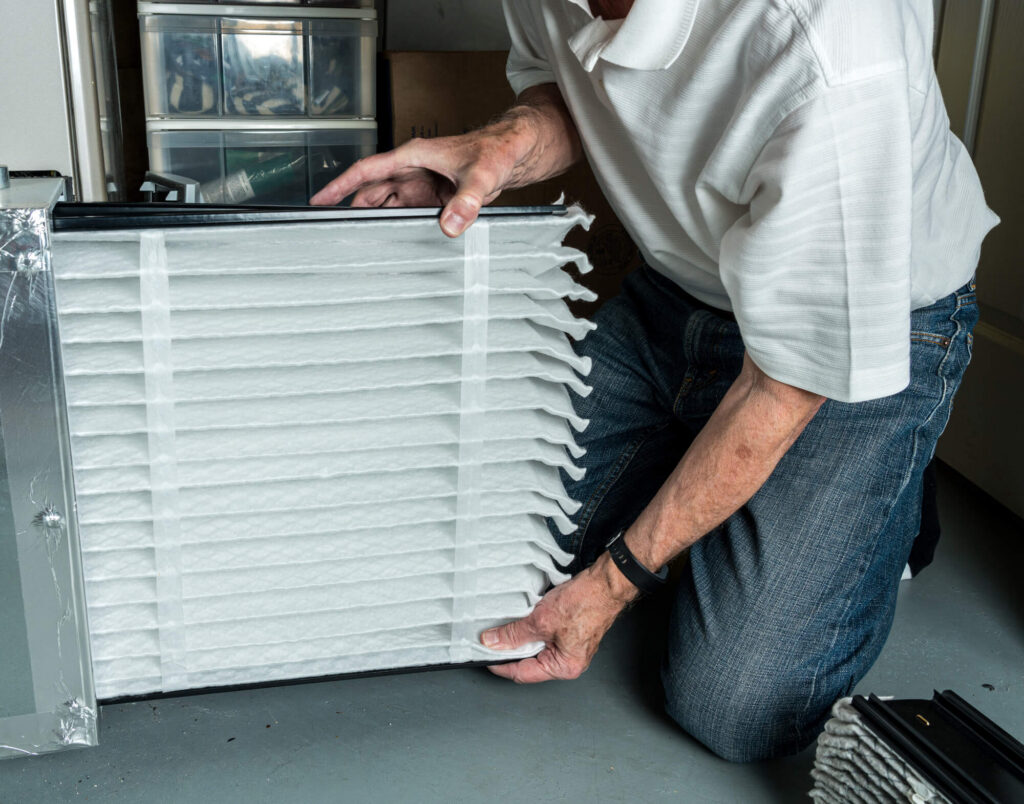
Check your furnace or air handler label and owner’s manual for recommended air filter sizes, filter delivery requirements, and any maximum MERV rating recommendations. This matters because higher merv rated filters and high efficiency filters offer greater filtration capabilities by trapping smaller particles and capturing smaller particles — including smaller contaminants as fine as tobacco smoke, lead dust, and auto emissions that are invisible to the human eye and far smaller than a human hair — but they also restrict airflow more than lower merv ratings and basic filtration options. Higher MERV filters improve air quality but can increase energy costs and reduce system efficiency when they are more restrictive than the blower motor and residential system are designed to handle. Most residential systems are compatible with filters in the MERV 8 to MERV 13 range — with a merv 8 filter providing solid better filtration for larger particles like dust and dust mites and a merv 13 filter capturing up to 90 percent of particles in the 1 to 3 micron range including tobacco smoke, auto emissions, and lead dust that a merv 8 filter would not effectively remove particles of.
Step 2: Pick a Realistic Starting Range
Match your hvac filter choice to your household needs — basic dust control, pets, allergens, tobacco smoke, or airborne particle concerns — while staying within manufacturer guidelines and the merv rating scale range appropriate for your residential system. Lower merv ratings in the MERV 1 through 4 range provide only basic filtration, capturing larger particles like dust and debris but allowing air to carry smaller contaminants through freely. MERV 5 through 8 filters capture finer particles such as mold spores and dust mites, making a merv 8 filter the practical starting point for most residential use where basic filtration is insufficient. MERV 9 through 12 filters are effective at capturing smaller particles including pet dander and provide better filtration than a merv 8 filter without the airflow restriction that higher merv rated filters can impose. A merv 13 filter captures up to 90 percent of particles in the 1 to 3 micron range and delivers superior air quality for households with allergy concerns, wildfire smoke exposure, or tobacco smoke — representing the upper end of practical residential use before crossing into high efficiency particulate air territory designed for commercial and medical applications rather than standard residential systems.
Step 3: Watch How Your HVAC System Responds
Over the next few weeks after installing a new merv rated filter, pay attention to hvac performance signals that indicate whether the hvac filter is allowing air to move freely or beginning to restrict airflow and reduce system efficiency and energy efficiency:
- Airflow changes that suggest the merv rated filter is creating more resistance than the blower motor was designed to manage — a sign that the right merv rating for your specific system may be lower on the merv scale than the filter currently installed
- Increased equipment noise from a blower motor working harder than normal to pull air through a merv rated filter with greater filtration capabilities than the residential system was designed to support
- Longer furnace or air conditioning run times that indicate reduced system efficiency and potentially higher energy bills from a filter that is beginning to restrict airflow beyond what the equipment can efficiently overcome
- Faster dust buildup on surfaces despite using higher merv filters — sometimes a sign of airflow restriction causing the system to circulate less air and remove particles less effectively throughout the home
- Filters loading up unusually quickly, which happens more frequently with higher merv rated filters and high efficiency filters that are trapping smaller particles and capturing smaller contaminants more aggressively — since filters with higher MERV ratings clog faster and need more frequent changes than lower merv ratings
If airflow feels restricted or rooms become uncomfortable, your hvac filter may be too restrictive for your system and consulting an hvac professional about the right merv rating for your specific equipment can prevent costly blower motor and system strain.
Step 4: Stay Consistent With Filter Changes
Even the best MERV rating air filter with superior air quality performance and greater filtration capabilities becomes less effective once overloaded with particles like dust, dust mites, tobacco smoke residue, lead dust, auto emissions, and other captured smaller contaminants. MERV filters should be replaced every one to three months — and changing frequency varies because lower-rated filters last longer than higher-rated ones, since a merv 13 filter trapping smaller particles and capturing smaller contaminants at greater filtration capabilities will load up faster than a merv 8 filter handling only larger particles like dust and mold spores. Checking your air filter monthly and replacing it at least every 90 days is a practical baseline for many homes — and using MERV filters consistently on the right replacement schedule can extend the lifespan of HVAC systems by protecting the blower motor and internal components from the accumulation of particles like dust, dust mites, lead dust, and other contaminants that basic filtration fails to capture before they settle inside the equipment and reduce hvac performance and energy efficiency over time.
Homes with pets, tobacco smoke exposure, renovations, or higher indoor air quality demands may require more frequent filter changes — particularly when using a merv 13 filter or other higher merv rated filters where filters with higher MERV ratings clog faster and need more frequent changes to maintain air cleanliness and hvac performance.
When Professional Help With MERV Decisions Makes Sense
Some situations deserve more than trial and error with the merv rating scale — especially if you are managing conditions where airflow restriction, reduced system efficiency, or inadequate home’s air quality could have meaningful consequences for health or equipment:
- Older HVAC equipment where the blower motor and ductwork may not be compatible with higher merv filters or high efficiency filters that restrict airflow beyond what the system was originally designed to handle, potentially leading to higher energy bills and reduced hvac performance
- Multiple suites on one system where balancing air filtration performance, allowing air to circulate properly, and maintaining system efficiency across zones is more complex than in a single-zone residential application
- Persistent airflow issues that may reflect a combination of ductwork problems, airflow restriction from a merv rated filter that is too high on the merv scale, and blower motor limitations that an hvac professional needs to evaluate together
- Allergy concerns requiring superior air quality and greater filtration capabilities — potentially a merv 13 filter or high efficiency particulate air solutions for capturing smaller particles including tobacco smoke, lead dust, and auto emissions — where professional confirmation of residential system compatibility with higher merv rated filters is important before installation
- Wildfire smoke exposure where smaller contaminants in smoke require a filter capable of trapping smaller particles at the merv 13 level, but where the airflow restriction that comes with those greater filtration capabilities must be balanced carefully against system efficiency and blower motor capacity
- Excessive dust buildup that persists despite using higher merv filters, which can indicate that the merv rating system alone is not addressing the underlying source of indoor contamination
- Uneven heating or cooling that may be related to airflow restriction from a filter positioned too far up the merv scale for the residential system’s blower motor and ductwork capacity
Complex ductwork, restricted ventilation, or improper airflow can make even a good air filter perform poorly — and in those cases having a qualified indoor air quality specialist or hvac professional measure airflow, inspect the furnace and HVAC system, evaluate filter compatibility across the merv rating scale, and assess whether the current merv rated filter is supporting or undermining system efficiency and energy efficiency can help prevent expensive equipment strain.
A team like Modern PURAIR® can also evaluate how your filters, ductwork cleanliness, ventilation, and air purification systems work together across the full air filtration picture — not just the merv rating of the filter currently installed. Instead of guessing at every filter change about whether the right merv rating is maintaining your home’s air quality or creating airflow restriction and higher energy bills, you receive practical assistance and a clear plan designed for your home and indoor air quality goals.
Make Your Filter Work for Your Home, Not Against It
Once you understand what a MERV rating actually measures — how effectively an hvac filter removes particles like dust, dust mites, tobacco smoke, lead dust, auto emissions, and other smaller contaminants that are far smaller than a human hair at different points on the merv scale — the number on the filter box becomes much easier to evaluate. MERV stands for Minimum Efficiency Reporting Value, an industry standard scale determined by air conditioning engineers ASHRAE through ASHRAE Standard 52.2 testing, and the merv rating scale from 1 to 20 provides a reliable framework for comparing basic filtration options like a merv 8 filter against higher merv rated filters like a merv 13 filter that capture up to 90 percent of particles in the 1 to 3 micron range for superior air quality. The goal is not choosing the highest MERV rating available or the greatest filtration capabilities on the merv scale, but choosing the right merv rating — an hvac filter your HVAC system can safely support while improving indoor air quality, maintaining system efficiency and energy efficiency, and reducing airborne contaminants without creating the airflow restriction, blower motor strain, and higher energy bills that high efficiency filters can cause when they exceed what residential systems are designed to handle.
For many homeowners, the best solution is a balanced approach that supports:
- Healthy airflow through an hvac filter that provides better filtration than basic filtration while allowing air to circulate freely without airflow restriction or blower motor strain that reduces system efficiency and raises energy bills
- Cleaner air through the right merv rating for the household’s specific air cleanliness needs — whether that is a merv 8 filter for larger particles like dust and dust mites or a merv 13 filter for superior air quality in homes with allergy concerns or tobacco smoke exposure
- Reliable furnace performance protected by a merv rated filter that supports rather than undermines hvac performance, system efficiency, and energy efficiency over the long term
- Reduced dust and allergens including dust mites, pet dander, lead dust, auto emissions, and other smaller contaminants that higher merv filters and high efficiency filters capture more effectively than lower merv ratings
- Predictable maintenance costs supported by consistent filter replacement on the schedule appropriate for the specific merv rated filter installed — recognizing that filters with higher MERV ratings clog faster and need more frequent changes to maintain air cleanliness and hvac performance
If you want guidance beyond the filter aisle from a qualified hvac professional who understands the merv rating system, Modern PURAIR® can help evaluate your HVAC system, confirm compatibility with higher merv filters, recommend a sensible MERV range on the merv scale for your specific residential system and household needs, and support a long-term indoor air quality strategy tailored to your home.
Cleaner air should feel simple, practical, and sustainable — not like another confusing maintenance decision about where on the merv rating scale to land or whether a merv 13 filter will restrict airflow more than your blower motor can comfortably handle.