Indoor air quality (IAQ) testing in commercial buildings is a critical but often underappreciated component of proactive building management. As buildings age, evolve in use, undergo renovations, or experience mechanical changes, pollutant sources shift, and new health risks can emerge.
Strategic air quality testing provides the evidence-based insight needed to mitigate risks, maintain occupant health, and comply with growing IAQ regulations.
Why Indoor Air Quality Testing Is Essential in Commercial Buildings
Indoor environments are dynamic systems where outdoor contaminants, building materials, HVAC systems, and human activity interact. Without regular IAQ assessment and air sampling, these elements can lead to poor air quality outcomes, such as:
- Sick Building Syndrome (SBS)
- Increased sick days
- Building-Related Disease (BRD).
From VOCs and asbestos to airborne bacteria and carbon monoxide, commercial spaces often harbor pollutants not readily visible.
Testing reveals the indoor air profile, isolates pollutant sources, and guides remediation efforts. It also aligns with building science best practices, LEED standards, and public health guidance from the Canadian government.
What Is Commercial IAQ Testing?
IAQ testing involves the collection and analysis of air samples to detect airborne pollutants and assess ventilation system effectiveness. Comprehensive commercial IAQ assessment uses direct reading instruments, ISO methods, and microscopic assays to detect contaminants.
What Commercial IAQ Testing Evaluates
- Volatile Organic Compounds (VOCs), which are chemical emissions from paints, adhesives, chemical solvents, pest control products, and household products
- Carbon monoxide (CO) and carbon dioxide (CO₂) from HVAC system combustion, secondhand smoke, and poor air exchange rates
- Particulate matter (PM10, PM2.5), including dust, pollen, and construction dust
- Biological agents like mold spores, dust mites, and airborne bacteria/fungi.
- Radon and asbestos, typically released during remodeling activities or HVAC design changes.
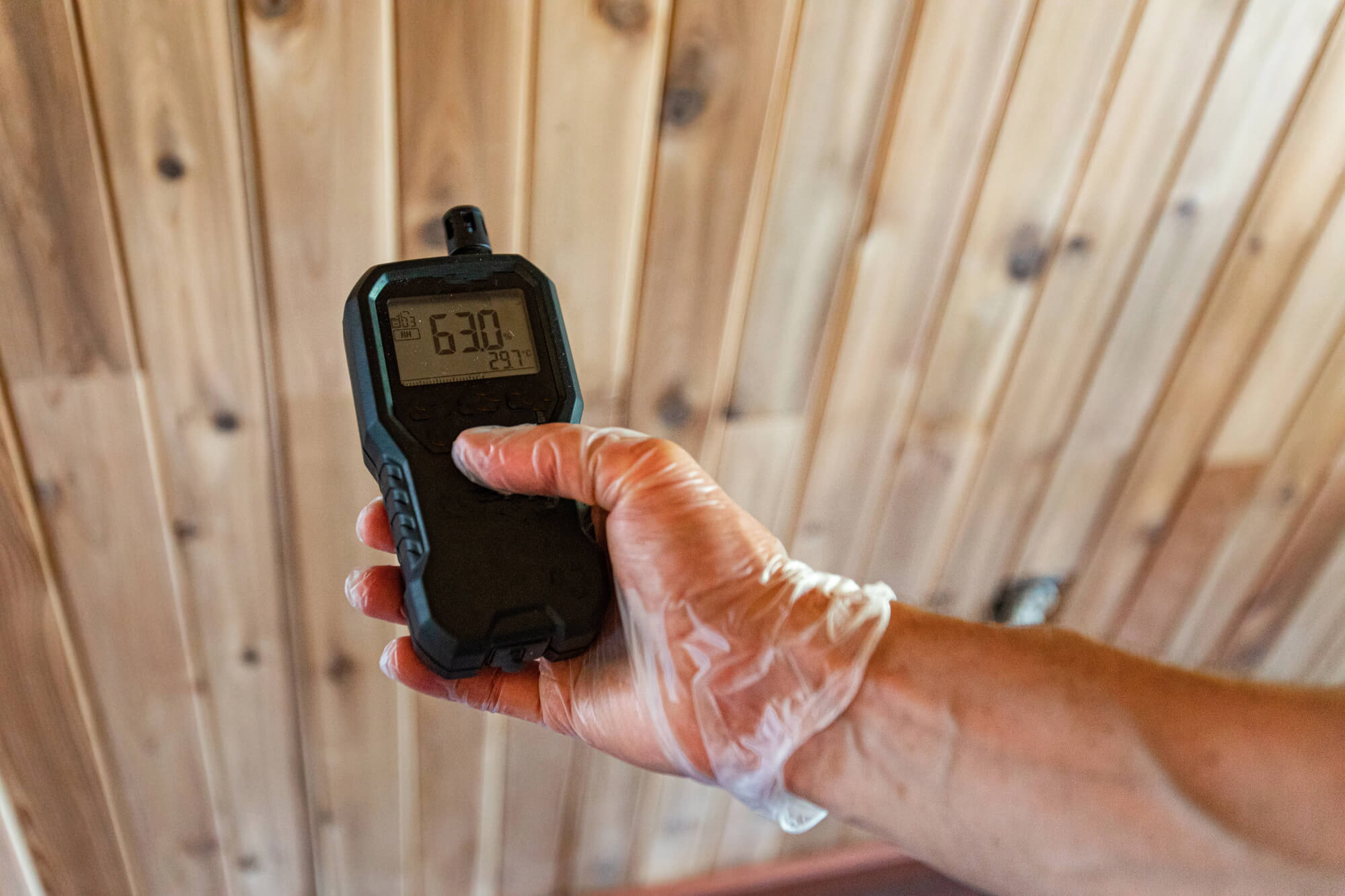
- Humidity, temperature, and airflow levels are used to determine air balance and comfort.
IAQ testing also documents contaminant trends across time and location using photographic evidence, chemical assays, and particulate assays.
When Should You Conduct Commercial IAQ Testing?
IAQ testing should be part of your facility’s standard operating procedures, not just a reactionary measure. Here are high-risk events and conditions that demand testing:
1. After Renovations or Construction
- New flooring, paint, adhesives, and drywall emit VOCs and particles that compromise indoor air.
- Demolition may uncover asbestos or disturb Radon pockets.
- Construction dust lingers in air vents and on surfaces, exacerbating respiratory problems.
2. After HVAC Modifications
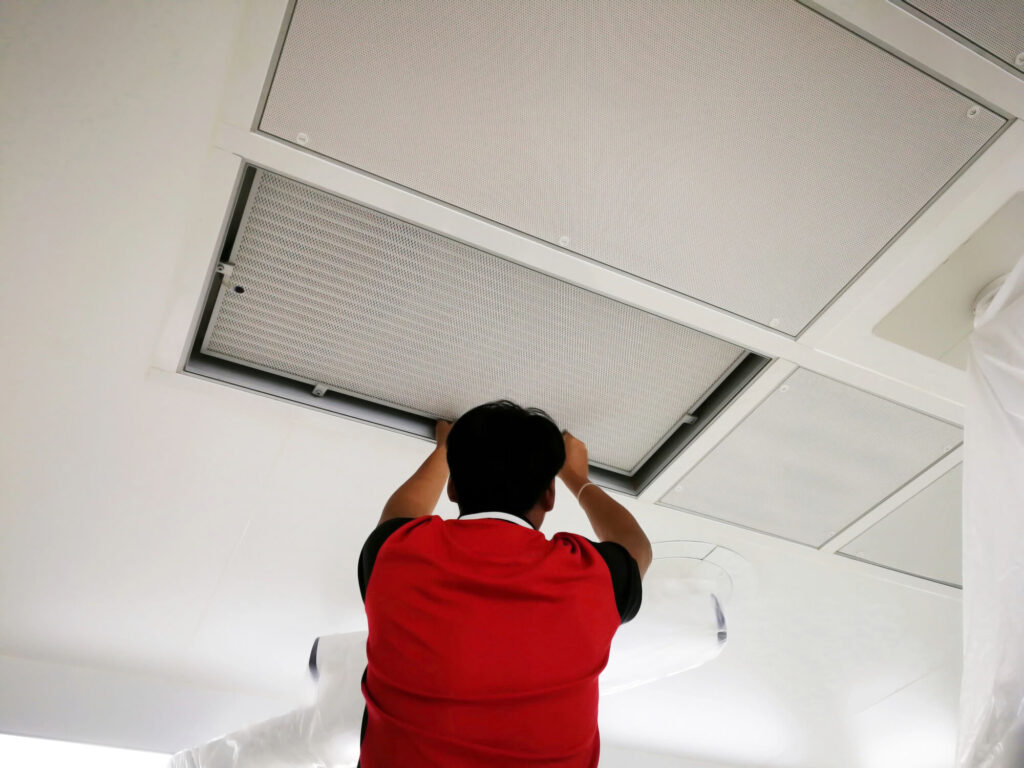
Changes to ductwork, HVAC design, or ventilation zones can shift airflow, disrupt air exchange rates, and concentrate air pollutants. IAQ assessment ensures the redesigned ventilation system maintains balance and meets ASHRAE guidelines.
3. Change of Building Use or Occupancy
A retail-to-office conversion or occupancy increase requires reevaluating air circulation needs and pollutant load. Office furniture, new equipment, and altered occupant behavior change the dynamics of airborne particulates, requiring fresh air quality testing.
4. Prior to Property Sale, Lease, or Audit
Whether for LEED certification, home inspection equivalency, or building valuation, IAQ documentation demonstrates compliance and quality. The USGBC (U.S. Green Building Council) and regulators often require a VOC punch list and validated air samples.
5. Following Complaints or Health Symptoms
- Persistent complaints from occupants about odors, allergies, or fatigue signal hidden issues like the presence of sewer gases or even natural gas leaks from the outdoor air.
- Unexplained asthma flare-ups, respiratory problems, or sick days may result from air contaminants.
Monitoring and air sampling can uncover mold, carbon monoxide, or other hazardous sources.
Signs Your Commercial Building May Have IAQ Problems
- Odors: Persistent chemical, musty, or burnt smells
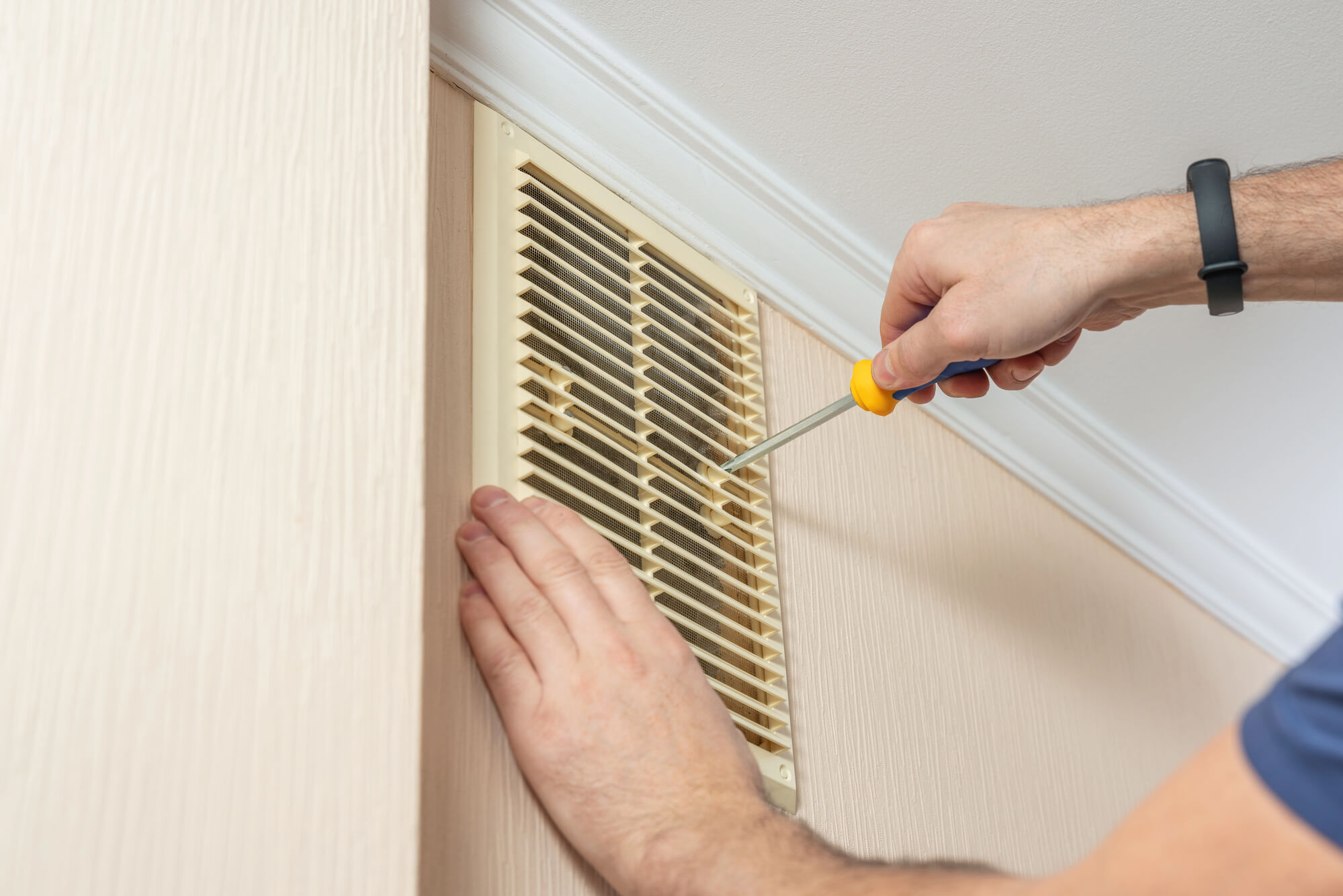
- Visual Cues: Mold near air grilles, condensation, or visible dust at air vents
- Health Symptoms: Increase in allergy symptoms, asthma attacks, headaches, or employee complaints
- HVAC Issues: Uneven heating/cooling, poor airflow, noisy equipment
These indicators point to pollutant buildup, poor filtration, or faulty airflow requiring a formal air quality assessment.
Risks of Neglecting IAQ Testing
- Health Effects: Exposure to airborne pathogens, formaldehyde, or asbestos can lead to symptoms like headaches, dizziness, fatigue, and nausea. In some cases, cancer has even been reported from excessive exposure to VOCs.
- Regulatory Non-Compliance: Failure to meet ASHRAE, OSHA, or provincial standards can result in penalties
- Operational Impacts: HVAC inefficiency, increased energy bills, or shortened system lifespan
- Occupant Dissatisfaction: Productivity, retention, and tenant satisfaction decrease in poorly ventilated spaces
IAQ testing supports airborne pathogen mitigation strategies, helps isolate pollution hot zones, and validates the success of remediation efforts.
The Commercial IAQ Testing Process
Professional indoor air quality testing in commercial buildings follows a structured process designed to identify potential sources of poor indoor air quality and protect building occupants.
-
Building Review & Planning: Inspectors review HVAC system design, environmental design principles, building materials, moisture history, water intrusion, and any remodeling that may introduce indoor sources of contaminants. This includes analyzing the floor plan, occupant activities, outdoor air intake, relative humidity, and reviewing indoor air quality complaints. Coordination with building owners, contractors, and management helps identify potential sources of poor indoor air quality such as dust, volatile organic compounds, visible mold, microbial contamination, or other health concerns.
-
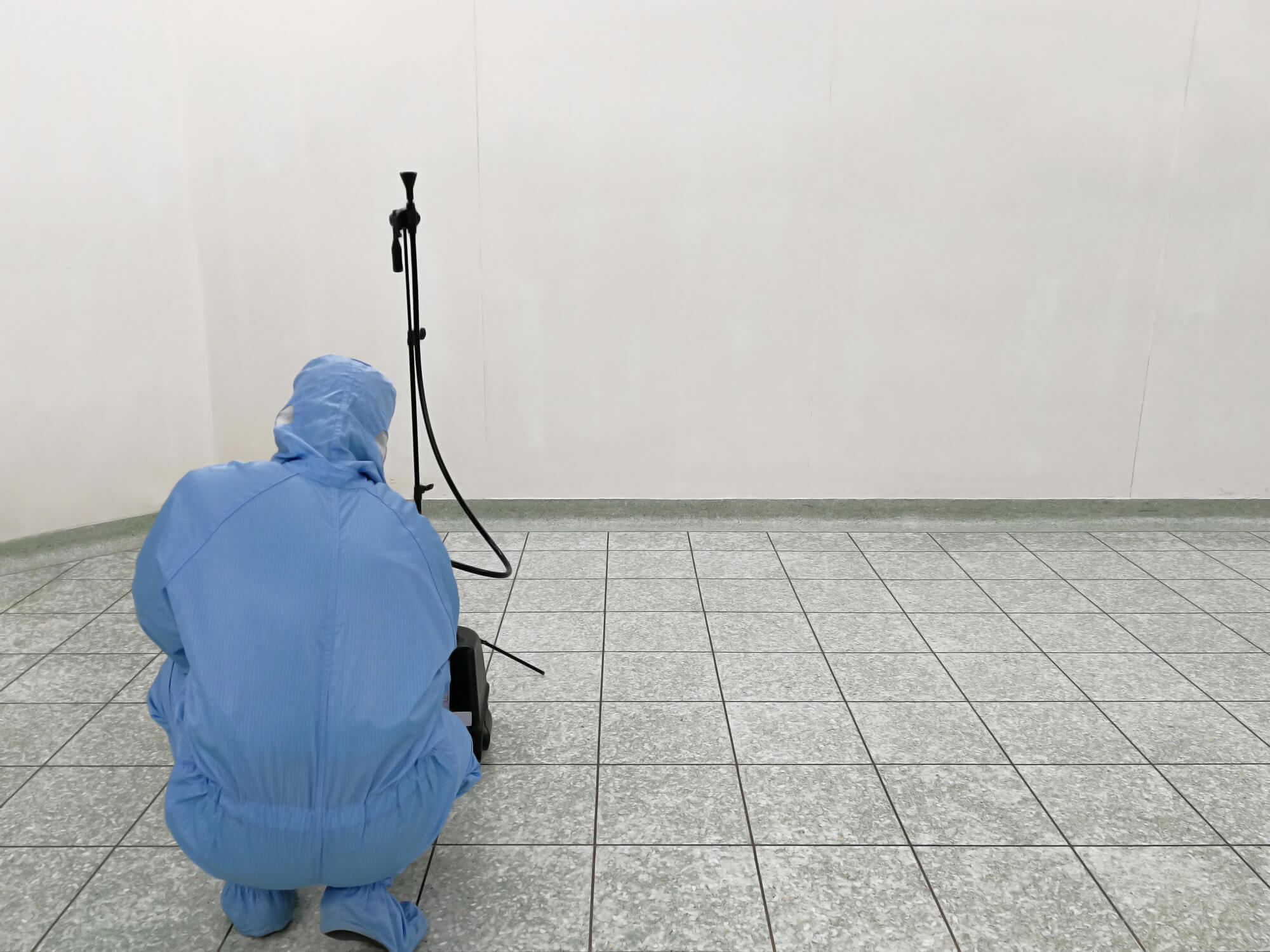
Air Sampling Setup: Indoor air quality experts deploy air sampling instruments, direct reading meters, and passive samplers throughout occupied spaces. Equipment measures particulate matter per cubic meter, carbon monoxide, carbon dioxide, airborne chemicals, formaldehyde, and ambient air comparison values while identifying potential contaminants from indoor or outdoor air.
-
Measurement: IAQ testing includes collecting lab samples, VOC punch lists, CO₂ and CO levels, humidity data, and identifying factors like mold spores, bacteria, or dust that contribute to indoor air quality problems. These measurements help determine contamination sources in indoor environments.
-
Lab Analysis: Air, surface, and bulk samples undergo microscopic and chemical assays to identify biological contaminants, mold spores, pollen, microbial contamination, and particulate matter. Industrial hygienists evaluate results to determine severity and potential risks to building occupants.
-
Results & Reporting: A complete indoor air quality assessment is provided with an action plan for remediation, HVAC adjustments, or improvements aligned with energy and environmental design standards. Reports support maintaining a healthy and safe environment and may assist in LEED certified building requirements.
Benefits of Regular Commercial IAQ Assessments
Regular IAQ surveys reduce exposure to contaminants and adverse health effects, improving occupant health. They support HVAC system efficiency, minimize air quality issues, and help maintain proper ventilation to prevent mold growth. Documentation strengthens legal protection, builds confidence among tenants and buyers, and supports healthy interior space standards. Routine testing also establishes benchmarks to validate IAQ improvements over time.
How Modern PURAIR® Supports Commercial Clients
Modern PURAIR® provides comprehensive indoor air quality assessments using professional IAQ testing equipment and international standards. Services include air sampling, HVAC system evaluations, duct cleaning, pollutant source identification, and solutions for commercial buildings such as offices, retail, hospitality, healthcare, and educational facilities. IAQ professionals and industrial hygienists work discreetly within occupied spaces to minimize disruption while providing accurate, actionable results.
When Prevention Is Worth the Investment
Proactive indoor air quality assessments help prevent costly issues related to contaminants, water damage, mold growth, and microbial contamination. IAQ testing is a cost effective way to ensure a safe environment and maintain building performance. With airborne chemicals, dust, VOCs, and mold on the rise, professional IAQ testing supports maintaining high-quality indoor air, addressing potential sources, and protecting occupant health.
Modern PURAIR® provides tailored testing, comprehensive analysis, and clear action plans to help maintain healthy indoor environments.
Schedule an IAQ consultation today and take the first step toward cleaner, safer air for your occupants.