
That fresh paint smell? That new furniture scent? They’re not as innocent as they seem.
Volatile organic compounds, commonly known as VOCs, are a class of chemicals emitted as gases from certain household products, building materials, and fuels. Invisible to the naked eye, VOCs are one of the most widespread pollutants affecting indoor air quality across homes, offices, schools, and healthcare settings.
If this is the first time you’ve read about them, then you’re in luck. We’ve compiled this quick guide about what VOCs are, where they come from, their health effects, and how you can protect your space with the help of professional HVAC cleaning and indoor air quality (IAQ) services.
Let’s get started.
What Are VOCs and Where Do They Come From?
Volatile organic compounds (VOCs) are carbon-based chemicals that easily evaporate at room temperature and linger in the air we breathe. You can find volatile organic compounds in many everyday products that contain a variety of chemicals, some (but not all) associated with short- and long-term adverse health effects.
VOC concentrations are often significantly higher indoors—sometimes up to ten times higher—than outdoors, highlighting the need to understand and manage their presence in enclosed spaces.
Derived from thousands of industrial processes, VOCs are present in the ingredients of basic household products, such as paints, varnishes, and waxes. They also call home in cleaning agents, paint strippers, disinfectants, cosmetics, degreasers, and even fuels.
Importantly, VOCs don’t only escape into the air during their use but can also be emitted when these products are in storage.
Due to their pervasive presence, VOCs are categorized into groups like:
- BTEX VOCs (benzene, toluene, ethylbenzene, xylene)
- Hydrocarbon VOCs (gasoline, propane-based solvents)
- Oxygenate VOCs (like ethanol and acetone)
- Terpenes (found in fragrances and cleaning agents)
The most common indoor VOC sources include:
- Paints, varnishes, and adhesives
- Fuels like gasoline stored in garages
- Building materials, carpet and vinyl flooring, and composite woods
- Home cleaning products and disinfectants
- Personal care products (perfumes, hairsprays, nail polish)
- Tobacco smoke
- Dry-cleaned clothing (releasing perchloroethylene)
- Air fresheners, candles, and off-gassing from furniture
- Outdoor air pollution, like vehicle exhaust and forest fires, can also enter indoors
Everyday actions like redecorating, lighting a scented candle, or bringing in a freshly dry-cleaned suit can significantly spike your home’s volatile organic compound levels.
How VOCs Affect Indoor Air Quality
Indoor air is often 2 to 5 times more polluted than outdoor air, according to the Environmental Protection Agency’s website, EPA.gov — a finding that various organizations including the World Health Organization have consistently highlighted as one of the most underappreciated public health concerns in non-industrial settings. VOCs indoor air quality research confirms that volatile organic compounds are among the primary drivers of that gap, making indoor voc concentrations a more pressing concern for most people than outdoor air pollution sources like vehicle exhaust or urban environment particulate matter, since the average person spends the majority of their time in indoor environments where voc levels can accumulate to concentrations consistently higher indoors than anything measured outside.
VOC Emission Dynamics
Volatile organic compounds are released via off-gassing from a wide range of voc sources — including building materials, household products, cleaning products, consumer products, and indoor sources like pressed wood furniture, aerosol spray paints, permanent markers, craft materials, paint strippers, dry cleaned clothing, and office equipment — and that off-gassing continues long after a product is first introduced into a space. Many vocs and individual vocs emit at measurable levels for extended periods, with formaldehyde concentrations from pressed wood furniture and building materials remaining detectable for months or even years after installation. Higher temperatures, humidity, and poor ventilation increase voc emission rates and indoor voc concentrations, compounding the health effects for occupants who spend extended periods in affected spaces.
Impact on Indoor Air
Volatile organic compounds vocs accumulate in sealed, poorly ventilated rooms where fresh air exchange is limited and voc levels have no mechanism for natural dilution. Multiple vocs interact with ozone to produce ground-level ozone and secondary air pollutants that add to the overall burden of indoor air pollutants and create additional adverse health effects beyond those of the individual vocs themselves. Organic chemicals from chemical spills or contaminated groundwater can also contribute to vapor intrusion into basements or crawl spaces, adding another pathway through which harmful chemicals enter indoor environments and elevate tvoc measurements to levels that human health researchers and the environmental protection agency classify as concerning even at low concentrations in non-industrial settings.
Health Effects: Symptoms and Long-Term Risk
Chemical exposure to volatile organic compounds varies in severity based on concentration, exposure duration, and individual sensitivity — with short term exposure at high concentrations capable of producing immediate symptoms and extended periods of exposure at low concentrations associated with serious long-term adverse health effects documented by the World Health Organization and various organizations studying indoor air quality and human health outcomes.
Short-term symptoms of voc exposure include headaches, nausea, and fatigue consistent with central nervous system disruption, eye nose and throat irritation and nose and throat irritation that intensifies at higher indoor voc concentrations, throat irritation headaches and dizziness that many occupants mistakenly attribute to other causes, cognitive fog driven by central nervous system effects of organic chemicals like toluene and formaldehyde, and exacerbation of asthma and allergies triggered by indoor air pollutants including carbon dioxide accumulation and particulate matter interacting with voc emissions in poorly ventilated indoor environments.
Long-term risks of sustained voc exposure include liver, kidney, and central nervous system damage from extended periods of contact with harmful chemicals at concentrations measured in micrograms per cubic meter across a range of individual vocs and multiple vocs simultaneously. Hormonal disruption from endocrine-active organic chemicals found in common consumer products and cleaning products is also documented across various organizations studying indoor voc concentrations and their effects on human health. Carcinogens like formaldehyde — classified as a human carcinogen by the World Health Organization and the environmental protection agency — and benzene are linked to cancer following extended periods of exposure even at low concentrations in non-industrial settings. Children, older people, and immunocompromised individuals face increased toxicity from indoor vocs because their respiratory system and central nervous system are more vulnerable to the adverse health effects of voc exposure at concentrations consistently higher indoors than outdoor air levels.
Warning Signs of High VOC Levels Indoors
Not all volatile organic compounds have a detectable smell, making tvoc measurements and professional assessment important tools for identifying elevated indoor voc concentrations that would otherwise go undetected. Some signs can alert occupants to potential voc exposure and poor indoor air quality — persistent odors even after cleaning or airing out that suggest ongoing off-gassing from building materials, household products, or dry cleaned clothing, fatigue or respiratory system symptoms that improve when spending time in fresh air outdoors suggesting that indoor air pollutants rather than external factors are the source, lingering effects from aerosol spray paints, paint strippers, gasoline, tobacco smoke, or dry cleaning solvents that indicate voc sources have not fully off-gassed from the indoor environment, and adverse reactions to scented personal care products, air fresheners, or cleaning products that contain organic chemicals capable of contributing to indoor voc concentrations even at low concentrations per cubic meter.
Why VOCs Are Difficult to Eliminate Alone
Modern airtight homes and buildings reduce energy use, but they also trap air pollution and prevent the fresh air exchange that would otherwise dilute indoor voc concentrations and reduce exposure to harmful chemicals from building materials, household products, consumer products, and other indoor sources. This creates what experts call the VOC bubble — a condition where voc emissions from multiple vocs accumulate faster than any natural ventilation can remove them, pushing indoor air pollutant levels to concentrations consistently higher indoors than outdoor air and far above what various organizations including the World Health Organization consider acceptable for sustained human health and wellbeing.
Challenges in addressing this condition include the fact that volatile organic compounds build up in HVAC ductwork, carbon filters, and building materials over extended periods, creating secondary indoor sources of voc emissions that continue releasing organic chemicals into indoor environments long after the original voc sources have been removed or addressed. Off-gassing from pressed wood furniture, aerosol spray paints, adhesives, and other building materials can continue for months or years, sustaining indoor voc concentrations at levels that produce adverse health effects even without any new sources being introduced. DIY fixes like opening windows provide only short-term relief by introducing fresh outdoor air without addressing the accumulated voc sources embedded in building materials and HVAC systems, while air fresheners mask but do not neutralize chemical pollutants — and in many cases add their own voc emissions to indoor air, compounding rather than improving the indoor air quality problem.

How HVAC Systems Can Contribute to or Control VOCs
Dirty Ducts and Filters Equal VOC Recirculation
Your HVAC system does not just regulate temperature — it also directly influences indoor air quality and the distribution of volatile organic compounds vocs throughout every room in the home or building. Over time, voc emissions from paints, adhesives, fuels, tobacco smoke, dry cleaned clothing, office equipment, and other indoor sources settle in your ductwork and get trapped in HVAC carbon filters and standard filters. When these components are not regularly cleaned or replaced, they become secondary indoor sources of voc emissions that actively worsen indoor voc concentrations rather than improving clean air delivery.
Dust and debris in ducts often contain voc residues and harmful chemicals including formaldehyde concentrations and particulate matter that re-enter breathing air every time the system cycles. Old air filters saturated with voc-emitting particles from multiple vocs including carbon monoxide adjacent pollutants, carbon dioxide, tobacco smoke residues, and organic chemicals from cleaning products and aerosol spray paints lose their filtration effectiveness and begin contributing to rather than reducing indoor air pollutants. Recirculation of volatile organic compounds through supply vents increases indoor voc concentrations and voc exposure for occupants throughout extended periods of system operation, making duct and filter maintenance one of the most impactful interventions available for reducing indoor vocs without major structural changes to the building.
Poor Ventilation Magnifies the Issue
Inadequate air circulation in HVAC systems allows voc concentrations to spike indoors by continuously recirculating the same contaminated indoor air without introducing the fresh outdoor air needed to dilute indoor voc concentrations and reduce exposure to harmful chemicals. Systems with poor ventilation circulate the same air enriched with indoor air pollutants including toluene, benzene, formaldehyde, carbon monoxide from attached garages or combustion appliances, and organic chemicals from cleaning products, paint strippers, craft materials, and permanent markers repeatedly through every room in the indoor environment. Without introducing fresh outdoor air that dilutes indoor voc concentrations, chemical pollutants including toluene, benzene, and formaldehyde build up to levels measured in micrograms per cubic meter that the environmental protection agency and World Health Organization associate with significant adverse health effects across the respiratory system and central nervous system. Balanced ventilation systems such as heat recovery ventilators or energy recovery ventilators help exchange indoor and outdoor air systematically, reducing the voc load and improving overall indoor air quality in a way that window ventilation alone cannot achieve consistently or reliably across all weather conditions.
Addressing these HVAC vulnerabilities is essential to reducing voc exposure and chemical exposure, protecting the respiratory system and central nervous system from the adverse health effects of sustained indoor voc concentrations, and maintaining a healthier indoor air quality environment for all occupants — particularly children, older adults, and immunocompromised individuals for whom the health effects of indoor air pollutants are most severe.
How Modern PURAIR Can Help Reduce VOC Exposure
Professional Air Duct Cleaning
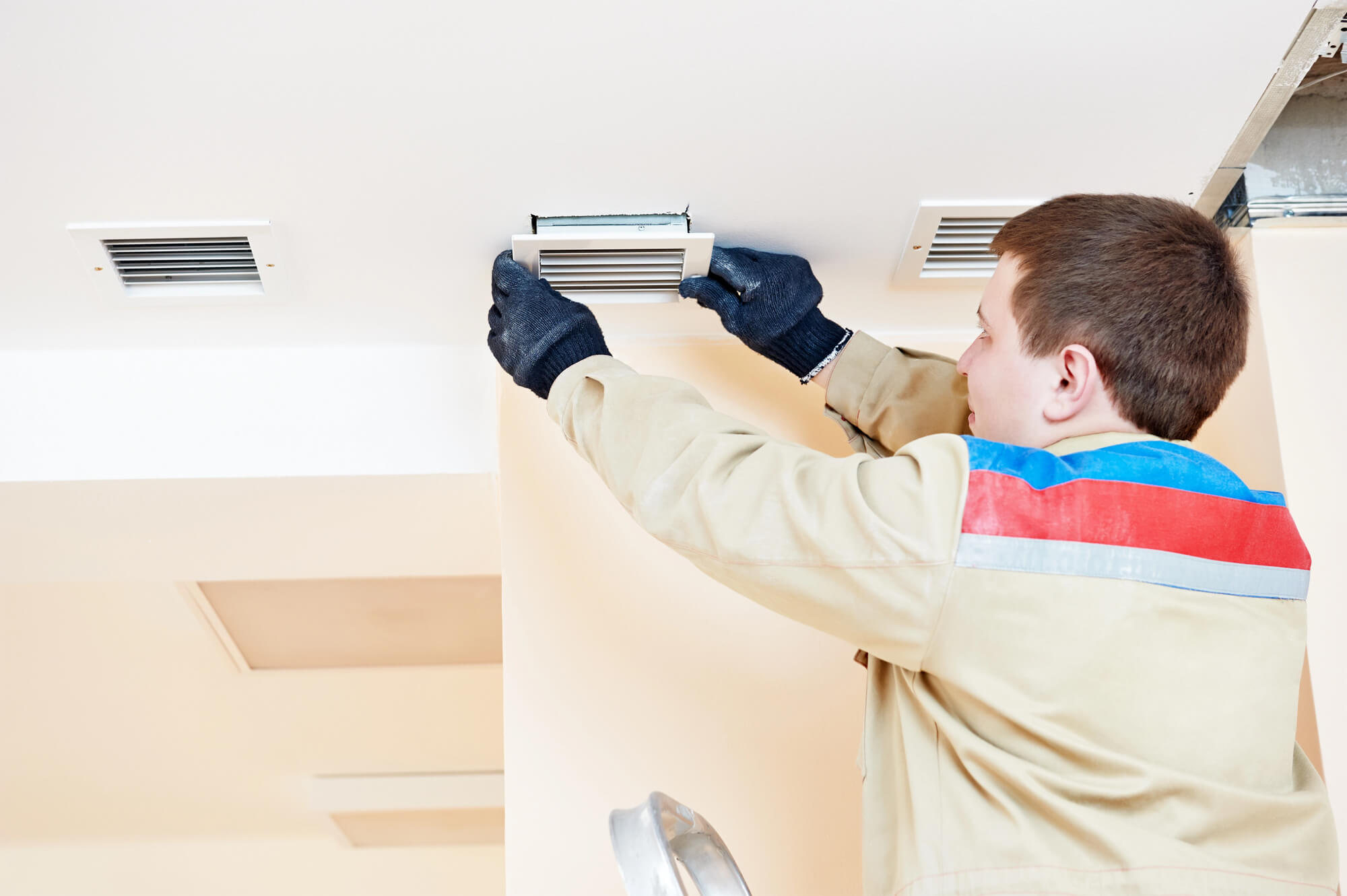
Modern PURAIR’s exclusive cleaning technology removes dust, mold, voc-laden particles, and accumulated indoor air pollutants from your air system — addressing the secondary indoor sources of voc emissions that standard filter replacement and DIY cleaning cannot reach. This drastically reduces the recirculation of volatile organic compounds vocs, harmful chemicals, and particulate matter that degrades indoor air quality and increases voc exposure during extended periods of normal HVAC operation.
Services include safe removal of accumulated contaminants including formaldehyde concentrations, voc residues from building materials and household products, tobacco smoke particulate, and organic chemicals from cleaning products and consumer products that have settled in ductwork over time. Professional cleaning helps prevent buildup from household products, gasoline fumes, adhesives, aerosol spray paints, dry cleaned clothing residues, and other indoor sources of volatile organic compounds that contribute to the voc bubble in airtight modern homes and buildings. Improved airflow and HVAC efficiency following professional duct cleaning also supports better fresh air distribution throughout the indoor environment, helping reduce indoor voc concentrations and restore clean air quality that protects the respiratory system and central nervous system health of every occupant in the space.
Indoor Air Quality Testing and VOC Monitoring
Our certified IAQ Consultants use specialized VOC sensors and diagnostic tools to identify chemical exposure risks in your home or building
- Detection of formaldehyde, benzene, toluene, and other toxins
- Assessment aligned with standards like RESET, Fitwel, and the International WELL Building Institute
- Recommendations for improving air quality and mitigating exposure
Ventilation and Filtration Upgrades
We provide strategic advice on ventilation upgrades and install air filtration systems designed to reduce:
- Chemical and particle pollutants
- Humidity imbalances that promote VOC off-gassing
- Mold and bacteria linked to water pollution or duct condensation
Quick Tips to Lower VOCs in Your Space
- Use low-VOC or zero-VOC paints, adhesives, and furnishings
- Avoid storing gasoline or fuels indoors
- Wash dry-cleaned clothing before wearing
- Let new furniture off-gas outdoors before bringing it inside
- Install smart VOC monitoring devices
- Choose unscented personal care and home cleaning products
- Seal cracks and leaks to prevent vapor intrusion
VOCs Are the Invisible Threat You Can Control
The environmental impact of volatile organic compounds (VOCs) can be deep, affecting not only your immediate comfort but also long-term human health. These organic chemicals are commonly released from building materials and furnishings, household products, cleaning supplies, craft materials, office equipment, upholstered furniture, and even air fresheners. Over time, VOCs indoors can interact with indoor surfaces and contribute to air pollution, compromising both indoor air quality and outdoor air.
When VOCs are emitted—whether from paint strippers, photographic solutions, permanent markers, organic solvents, or cleaning products—they don’t just cause sensory irritation symptoms like throat irritation or headaches. Health effects vary greatly, from immediate symptoms such as dizziness to longer-term issues like memory impairment, central nervous system complications, or chronic illness. Health professionals often highlight that VOC exposure can result in adverse health effects even at low concentrations, especially with semi volatile organic compounds or highly toxic substances like methylene chloride or ethylene glycol.
The seriousness of VOC emissions lies in the fact that many VOCs and other pollutants are present in everyday environments, from non industrial settings like homes and schools to workplaces where industrial emissions and occupational safety are concerns. Even consumer products and drinking water may contribute. Agencies like the Environmental Protection Agency and various organizations stress that exposure to VOCs—including elevated formaldehyde concentrations—should not be ignored. Health effects occur due to many factors, including total concentration of individual VOCs, voc levels, and overall air pollutants like carbon monoxide and carbon dioxide mixing with other air pollutants.
Fortunately, VOCs indoors aren’t unstoppable. Solutions exist to reduce exposure, increase ventilation, and maintain a flow of fresh air. Monitoring with proper measurement methods can detect voc emissions in indoor settings, revealing key signs of contamination. By addressing indoor sources, whether in non industrial settings or workplaces, you can limit unwanted products that emit VOCs and improve conditions under normal operating circumstances.
Partnering with an expert like Modern PURAIR® can make all the difference. Our team of certified health professionals and technicians understands chemicals and the risks of indoor VOCs. We use science-backed proven strategies to test voc levels, remove air pollutants, and help ensure your environment is manufactured efficiently toward cleaner air. From homes to offices, we help reduce adverse health effects, safeguard product performance, and ensure compliance with occupational safety standards.
With Modern PURAIR®, you’ll gain peace of mind knowing your indoor air is protected, VOC emissions are minimized, and your path toward healthier, cleaner air is supported by experts who understand both immediate symptoms and long-term risks. Cleaner air means better customer satisfaction, improved wellness, and a safer future for everyone.