You had your indoor air quality (IAQ) tested. Now you’re holding a report full of numbers, acronyms, and color-coded charts—but what does it all mean for your home, health, and next steps? For homeowners, property managers, and building operators, interpreting IAQ test results is more than a formality; it’s the key to understanding hidden risks like mold spores, airborne chemicals, and poor ventilation.
This guide breaks down exactly what those results mean and how to transform that data into a targeted action plan. From PM2.5 levels and VOC concentrations to mold assessments and HVAC recommendations, we help you translate your IAQ report into tangible steps for a healthier indoor environment.
What Is an IAQ Test and How Does It Work?
Indoor air quality refers to the conditions of the air inside a home or any building, taking into account several factors. In fact, the Environmental Protection Agency estimates that indoor air pollutant concentrations can be up to five times higher than outdoor air. Considering we spend almost 90% of our time indoors, it’s unsettling to think air pollution can be worse inside our homes than out.
IAQ testing evaluates the presence and concentration of airborne pollutants that affect human health, comfort, and building integrity. A standard indoor air quality assessment includes measurement of:
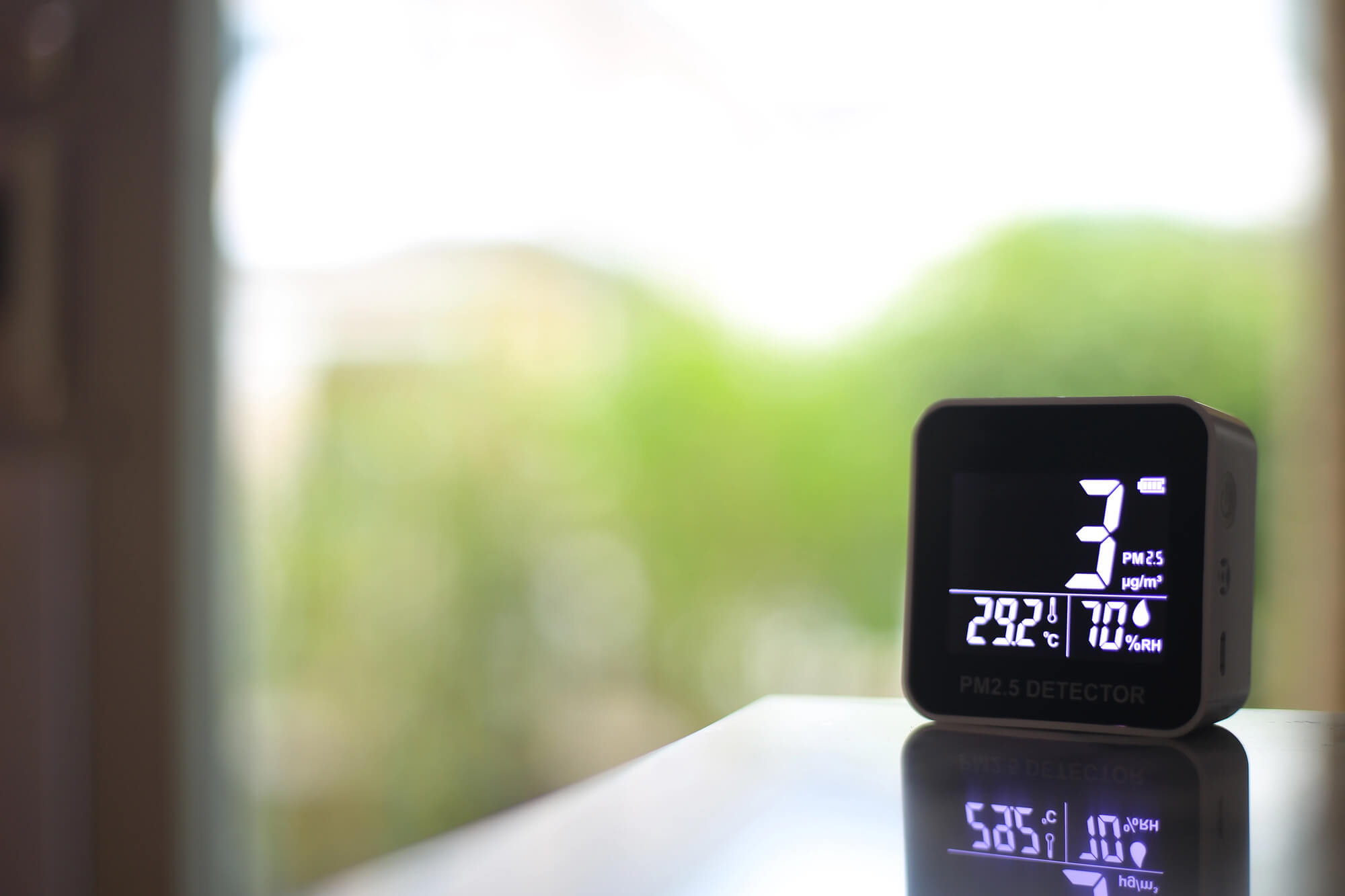
- Particulate Matter (PM2.5 and PM10): Dust, mold spores, pollen, and fine debris
- Volatile Organic Compounds (VOCs): Formaldehyde, benzene, vinyl acetate from building materials, paints, and pressed wood products
- Carbon Dioxide (CO₂) and Carbon Monoxide (CO): Indicators of ventilation issues and combustion-related risks
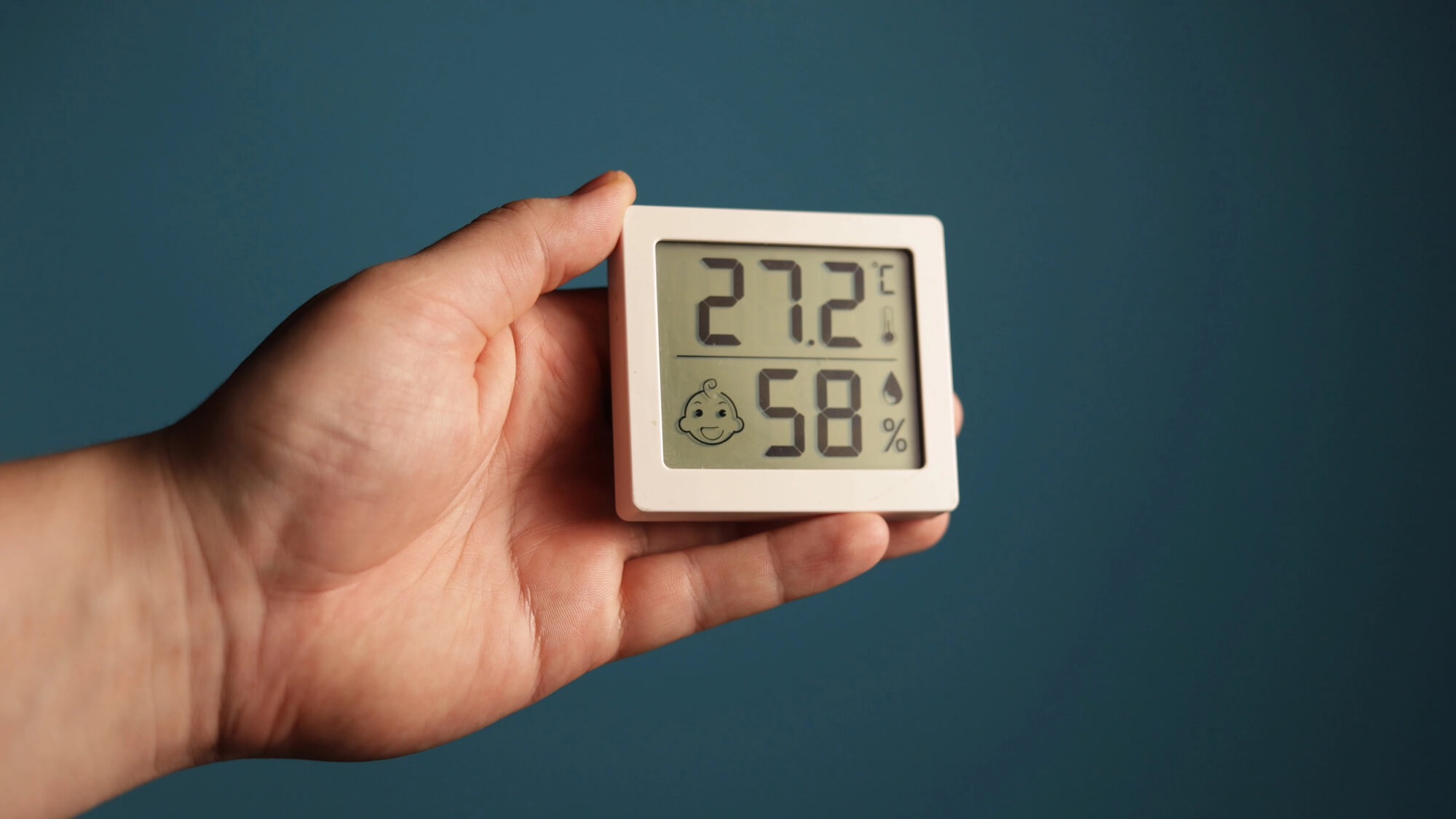
- Humidity and Moisture: Linked to fungal growth and water damage
Understanding these parameters is crucial in environments with occupant complaints, signs of water intrusion, or mold-related illnesses, such as hypersensitivity pneumonitis or sick building syndrome.
Overview of the Modern PURAIR® IAQ Testing Process
Modern PURAIR® uses a structured, professional approach to IAQ testing:
- A specialist arrives with a PURAIR Indoor Air Quality Sampling Device
- They walk the perimeter of each room for a minimum of three minutes, gathering real-time data
- Air quality testing evaluates:
- PM2.5 and PM10 (linked to respiratory issues, mold concentration, and fungi exposure)
- VOCs (from mold off-gassing, building materials, or water-damaged areas)
- CO₂ (to assess ventilation effectiveness and outdoor air exchange)
- After completing the walkthrough, a full color-coded PDF report is generated, including photo documentation and personalized recommendations.
- The process takes approximately two hours for a standard home
This baseline IAQ testing aligns with protocols seen in LEED 4.1 IAQ Assessment Credits, OSHA, NIOSH, and EPA Air Compendium Methods.
Understanding the Key Data Points in Your IAQ Report
PM2.5 and PM10 – Particulate Matter
These airborne particles are measured in microns.
- PM10 includes larger particles like pollen, mold spores (including Cladosporium, Chaetomium, Penicillium, Memnoniella), and dust.
- PM2.5, however, consists of finer particles like smoke, combustion byproducts, and some bacteria or Stachybotrys fragments that can penetrate the bloodstream.
High levels of PM are linked to asthma triggers, chronic obstructive pulmonary disease (COPD), and building-related illnesses.
VOCs – Volatile Organic Compounds
VOCs are gaseous emissions from a variety of indoor sources: paints, pressed wood products, adhesives, and cleaning agents.
Elevated VOC levels may suggest:
- Mold growth (off-gassing of microbial VOCs)
- Formaldehyde from building materials
- Benzene or vinyl acetate from household products
These compounds are linked to respiratory irritants, headaches, and long-term cancer risks. The EPA, the federal government, and LEED certification programs emphasize VOC management for compliance with indoor air quality standards.
CO₂ – Carbon Dioxide
CO₂ levels reflect air freshness and are used to assess ventilation adequacy. Elevated readings can indicate insufficient outdoor air or recirculated indoor air in HVAC systems. High levels are associated with fatigue, brain fog, and elevated absenteeism in office environments.
Mold, Humidity, and Fungi
Mold spores like Aspergillus, Penicillium, and Stachybotrys are typically detected through PM10 spikes and elevated VOCs. When IAQ results hint at indoor mold growth, the next steps may involve:
- Air sampling, surface samples, or bulk sampling
- Professional indoor mold inspection and mold assessment
- Targeted mold remediation and moisture control
Look out for high humidity, water leaks, or signs of water damage behind drywall and ceilings. Moisture-laden HVAC system components, such as air conditioning drip pans, can harbor microbial growth.
Interpreting Color-Coded Results and Thresholds
Green, Yellow, Red Zones: What They Mean
- Green: Optimal, safe ranges based on EPA and health guidelines
- Yellow: Borderline or cautionary — may warrant monitoring or moderate intervention
- Red: Hazardous levels of air pollutants requiring immediate action
Your PURAIR report simplifies complex readings into these zones, making it easier to prioritize next steps.
Room-by-Room Diagnosis
Different rooms show different IAQ profiles:
- Basement: Often high in mold concentration, humidity, and radon risk
- Kitchen: VOCs from cooking, formaldehyde from cabinetry
- Garage: Combustion pollutants, carbon monoxide, benzene
- Bathroom: Poor ventilation, high humidity, mold risk
Turning IAQ Test Results Into a Clean Air Action Plan
Knowing your indoor air quality is useful only if you take action based on that data. The results of your indoor air quality testing will let you quickly determine air pollution levels and prioritize actions to enhance air safety and comfort.
Step 1: Address Quick Wins
- Replace air filters with HEPA-grade filtration
- Introduce mechanical ventilation or open windows
- Use dehumidifiers to maintain <50% indoor humidity
- Remove pressed wood furniture or VOC-heavy products
Step 2: Consider Professional Services
- Schedule mold remediation if mold spores or moisture are detected
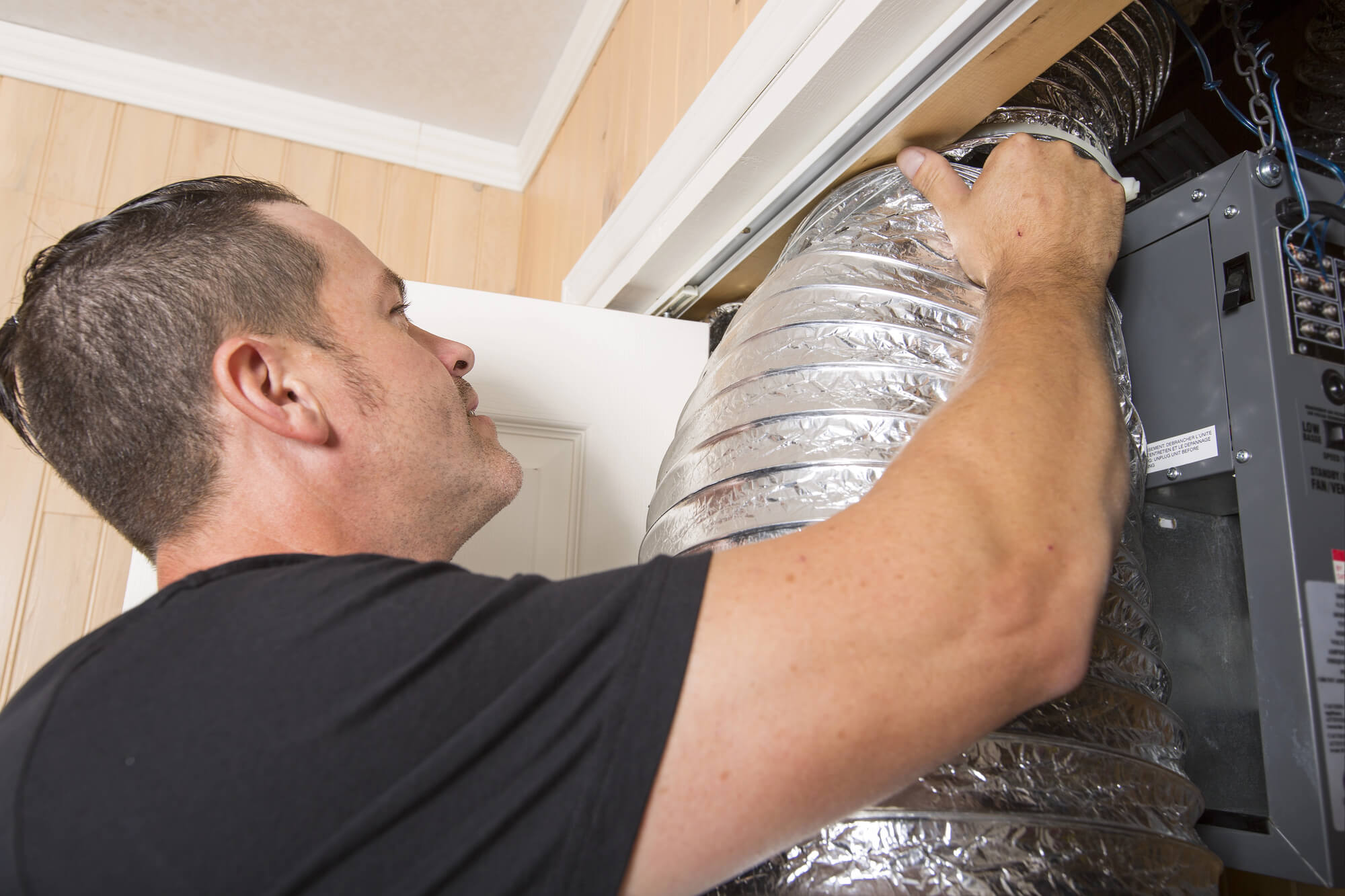
- Clean HVAC ducts and inspect for microbial contamination or asbestos
- Flush buildings with outdoor air (building flush-out) following mold removal guidelines
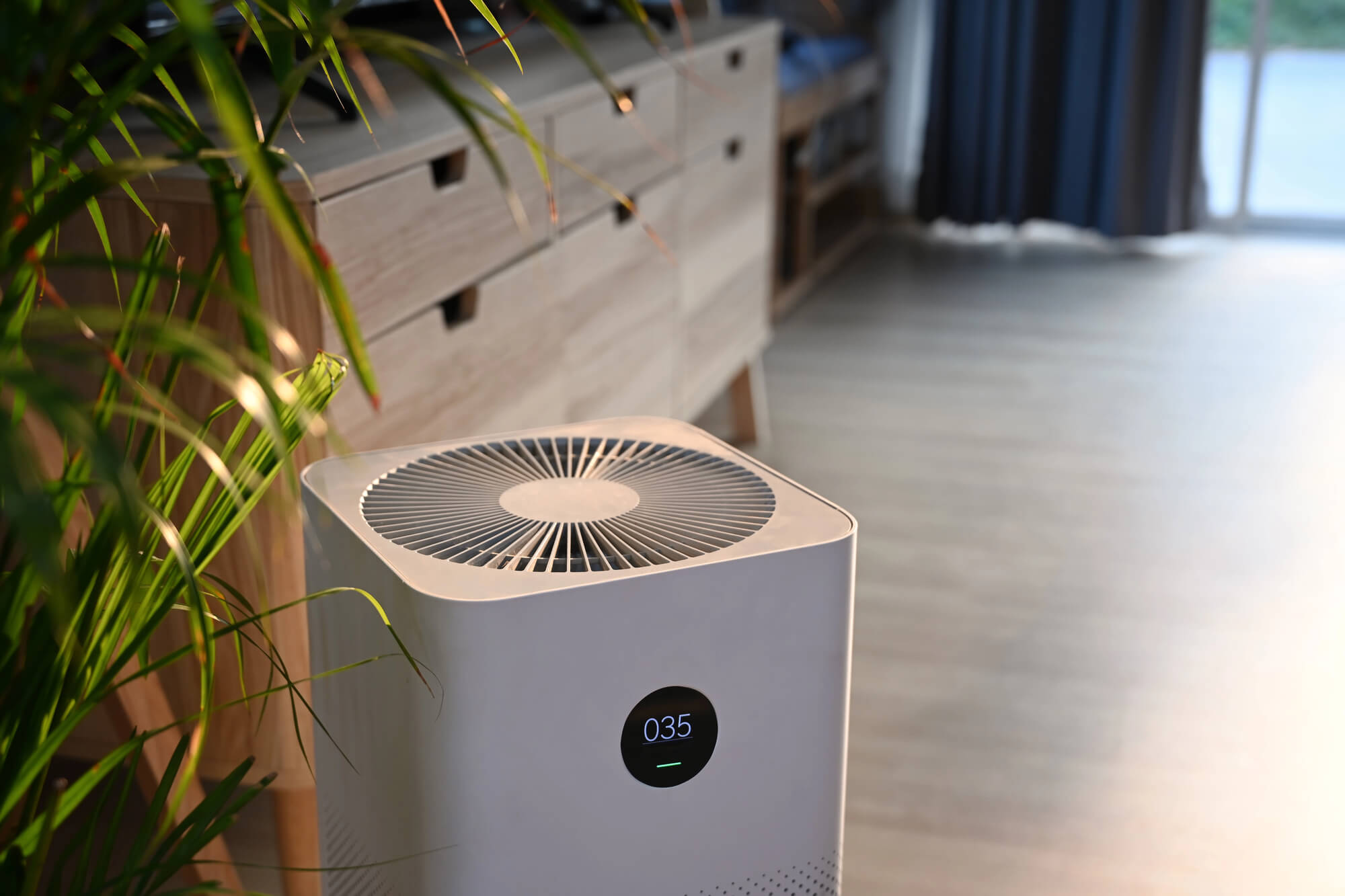
Step 3: Air Purifier Selection and Placement
- Choose systems with activated carbon filters, HEPA, and ozone-free certification.
- Match CADR ratings to room size
- Place near pollutant sources (e.g., bedrooms, basements)
Step 4: Monitor and Retest
- Retest after remediation or 3–6 months
- Use smart IAQ sensors for continuous insights
- Track indoor/outdoor ratio of particulate matter and VOCs for long-term trends
What You Can Expect from a Modern PURAIR® IAQ Report Review
Understanding your indoor air quality and IAQ test results is the first step toward creating a healthier living space. Poor indoor air quality can expose your family to mold spores, volatile organic compounds, carbon monoxide, and other indoor air pollutants that may pose serious health risks. Modern PURAIR provides professional indoor air quality testing services that go far beyond basic air samples, helping homeowners identify and address issues like mold growth, poor ventilation, and air pollution from fuel-burning appliances or building materials.
Personalized Report Walkthrough
During your IAQ report review, our specialists walk you through your air quality test results to help you understand exactly what’s going on with your home’s air quality.
Our experts explain:
- What each reading means in relation to pollutant levels, humidity levels, and particulate matter concentration (micrograms per cubic meter)
- Which areas show signs of mold risk, black mold, or tiny particles that may trigger allergies
- Whether mold test results suggest hidden mold spores on wet surfaces or the need for mold remediation
- Which actions to prioritize based on your ventilation systems, HVAC components, and relative humidity
We also show you how to test indoor air quality in the future using reliable tools like IAQ monitors, indoor air quality monitors, and mold testing kits—a reliable means to track air quality data over time.
Long-Term IAQ Maintenance and Monitoring
Maintaining clean air requires proactive steps. Modern PURAIR provides:
- Scheduled HVAC inspections, filter changes, and cleaning to control humidity and prevent mold growth
- Installation of air purifiers, activated carbon filters, and HEPA filters to remove fine particles, harmful substances, and odorless gases like carbon monoxide and radon gas
- Ventilation upgrades and exhaust fans for improved air exchange and adequate ventilation
- Ongoing professional testing, re-sampling, and monitoring aligned with Environmental Protection Agency (EPA), OSHA, and Centers for Disease Control and Prevention (CDC) disease control standards
These solutions improve indoor air quality over time and reduce the likelihood of poor air quality returning due to seasonal weather conditions or outdoor air pollution.
Common Questions About IAQ Tests and Results
Are my results dangerous?
That depends on your air quality index, pollutant levels, and any health symptoms like throat irritation or allergic reactions. Elevated test results for particulate matter or volatile organic compounds may indicate a serious risk to respiratory health or long-term lung diseases.
Can mold exist with no visible signs?
Yes. Air samples often detect hidden mold types or fungal activity before any surface stains appear.
Do I need mold testing or just a cleanup?
Comprehensive mold testing and mold tests pinpoint the source before beginning mold remediation, ensuring accurate removal.
Are surface samples or air sampling more reliable?
Both are useful. Surface samples help identify mold spores on materials, while air quality testing reveals airborne indoor air pollutants that move through your HVAC system.
How do I know if my HVAC system contributes to poor indoor air quality?
A full IAQ test combined with HVAC inspection uncovers dust, dirt, or mold growth trapped in ducts and filters that could cause poor air quality throughout your home.
Breathe Better, Live Smarter
Your IAQ test results are more than numbers—they’re a personalized plan for cleaner air and better respiratory health. Whether your air quality testing detects volatile organic compounds, carbon monoxide poisoning, poor ventilation, or elevated levels of particulate matter, every finding is an opportunity to prevent mold, improve indoor air, and reduce health risk.
Modern PURAIR partners with you on this journey toward clean air and a healthier home. Through our science-backed indoor air quality solutions, including professional testing, maintenance, and long-term monitoring, we ensure your home’s air quality supports comfort, wellness, and peace of mind—no matter the season or weather permits.
When you’re ready to breathe easier, seek professional IAQ guidance from Modern PURAIR. Together, we’ll help you reclaim your home’s indoor air, restore balance to your environment, and protect your family from prolonged exposure to air quality issues.
Book your Indoor Air Quality Test today with Modern PURAIR® and turn your test results into a cleaner, healthier home.