That lingering dampness in your bathroom or kitchen isn’t just a nuisance — it could be quietly polluting your indoor air.
Humidity is one of the most overlooked factors in indoor comfort, and one of the most important when it comes to your air quality.
Whether you own a home, manage a building, or oversee restoration projects, understanding the link between humidity and indoor air quality is critical to protecting the health of building occupants and the performance of your HVAC system.
Excess moisture or air that’s too dry can introduce a host of issues, from mold and VOCs to respiratory triggers and building damage.
In this guide, we’ll explore how humidity affects your air, what the ideal levels are, and how to keep your indoor environment balanced, breathable, and healthy.
What Is Humidity and Why Does It Matter Indoors
Humidity refers to the amount of water vapor in the air. While outdoor air has natural fluctuations in humidity, indoor environments are enclosed systems that can trap or amplify moisture levels based on activities, building materials, and HVAC performance.
There are two main ways to measure humidity:
- Absolute Humidity: The total amount of water vapor in a specific volume of air.
- Relative Humidity (RH): The percentage of water vapor in the air relative to the maximum it can hold at a given temperature.
Relative humidity shifts with temperature—warmer air holds more moisture. That’s why indoor RH tends to rise in summer and drop in winter unless regulated.
Maintaining ideal humidity is critical to air quality. Without proper control, water vapor becomes a vehicle for air pollutants, allergens, and biological growth.
The Ideal Humidity Levels for Indoor Spaces
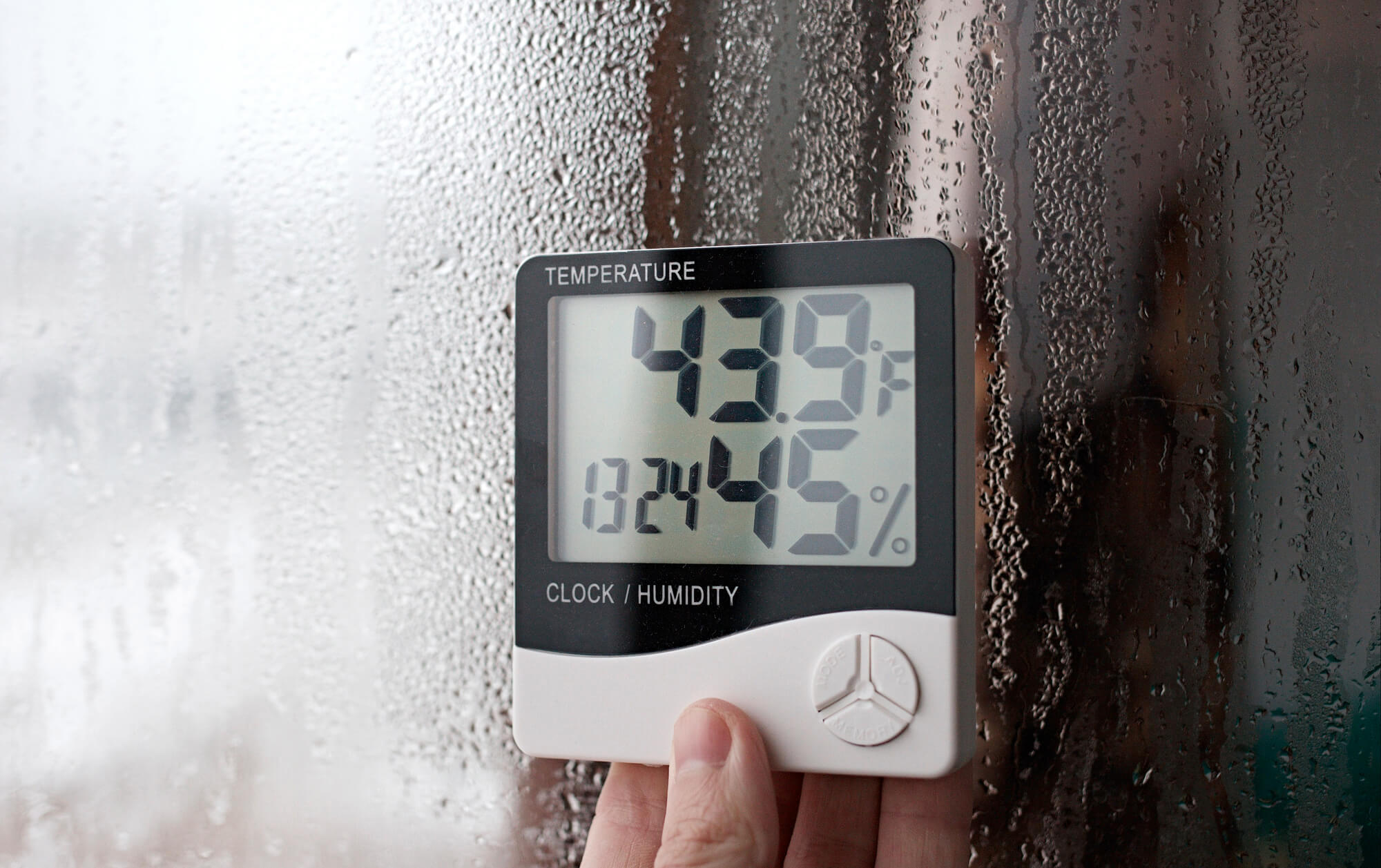
According to ASHRAE Standard 55 and the Canadian Standards Association, indoor RH should stay between 30–50% for optimal health and HVAC performance.
- Homes: 35–45% is ideal year-round.
- Commercial buildings: 40–50%, depending on equipment and occupancy.
- Healthcare settings: 40–60%, based on infection control protocols.
When RH drops too low, mucous membranes and the ocular surface dry out, increasing the risk of dry eye disease and sensory irritation (burning or itchy feeling in several senses).
When the relative humidity is too high, it fuels microbial growth and airborne pollutants.
Concerned about humidity in your home or building? Book an Indoor Air Quality Test today.
How Humidity Affects HVAC Systems and Indoor Air Quality
High Humidity Effects
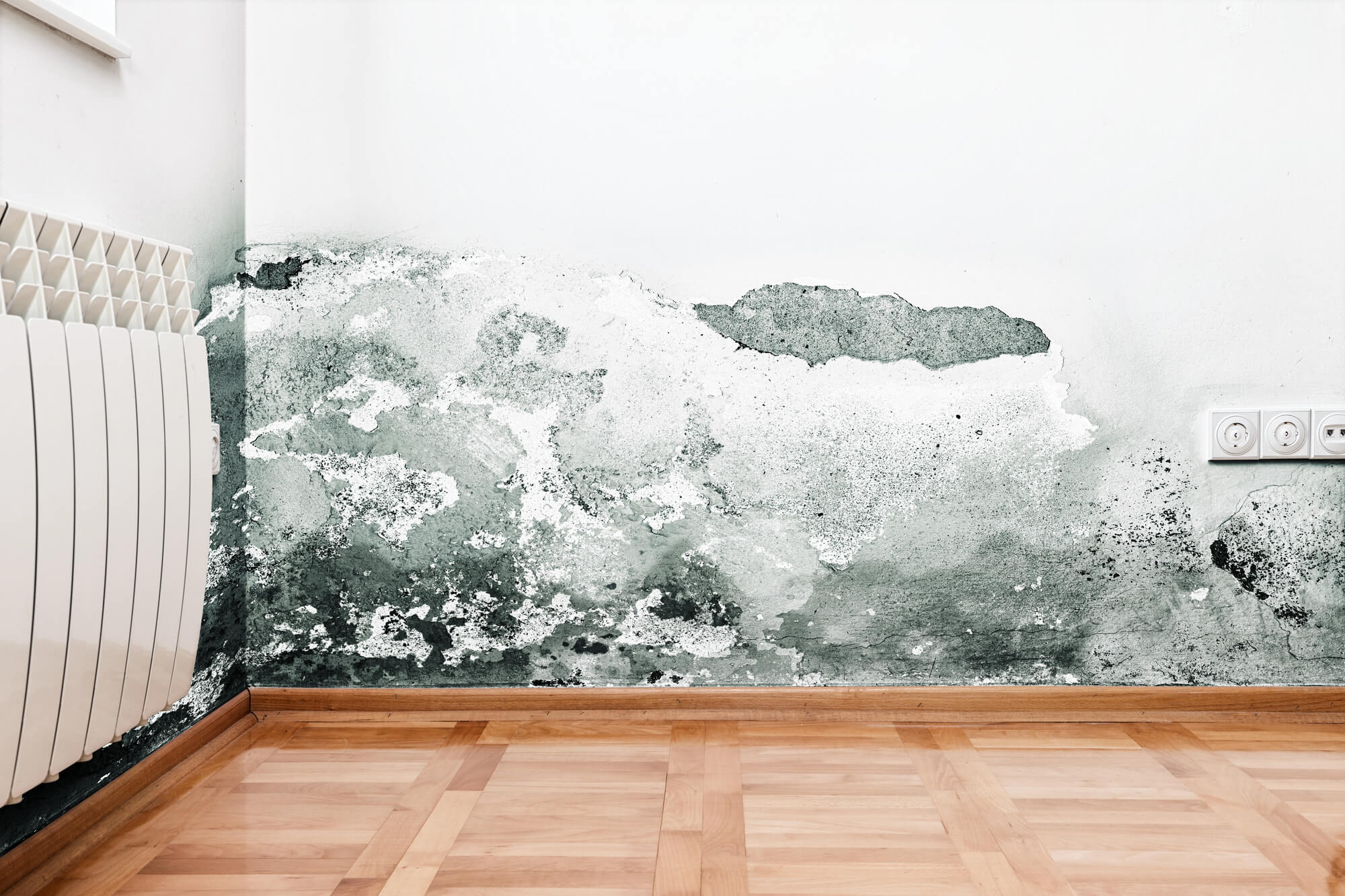
When indoor humidity levels exceed 60%, it begins to impact more than just comfort:
- Mold growth in ducts, insulation, or building materials
- Risk of condensation within the building envelope and roof flashing that can lead to rot
- VOC (volatile organic compounds) emissions from new furniture, paints, and flooring
- Proliferation of dust mites, bacteria, and biological contaminants
- Activation of asthma triggers and other respiratory irritants
Low Humidity Effects
On the other hand, low air humidity (below 30%) dries out the air and increases:
- Nasal patency (nose breathing) issues, nasopharyngeal complaints, and voice fatigue
- Suspension of ozone particles, dust, and other chemical pollutants
- Static electricity and degradation of wood-based building materials
- Poor sleep quality and comfort in office environments and homes
Sources of Indoor Moisture and High Humidity
Moisture builds up indoors due to both human activity and structural issues:
- Showers, cooking, dishwashers, indoor plants, and vaporizers
- Leaky plumbing, damaged insulation, or poorly sealed building envelopes
- Poor ventilation in crawlspaces, attics, or storage zones
- Oversized or improperly balanced HVAC systems with low air velocity
Construction errors, like improper use of thermal breaks, poor duct sealing, or failing air intake dampers, can trap humidity in urban areas or new buildings.
How to Control Indoor Humidity for Better Air Quality
Passive and Mechanical Control Methods
- Use bathroom fans, kitchen hoods, and mechanical ventilation systems (ERVs/HRVs)
- Program smart thermostats for consistent temperature and air circulation
- Seal air leaks in windows, doors, and ductwork to reinforce the building shell
Active Humidity Control Systems and Tools
- Dehumidifiers (portable or whole-home) for moisture-heavy zones
- Humidifiers (steam or evaporative) for dry air conditions
- Install CO2 sensors and hygrometers to track RH levels in real time
Smart air quality monitors can also detect air pollutants like carbon monoxide, nitrogen dioxide, and radon, all of which interact with humidity and ventilation efficiency.

The Role of Air Duct Cleaning and IAQ Testing
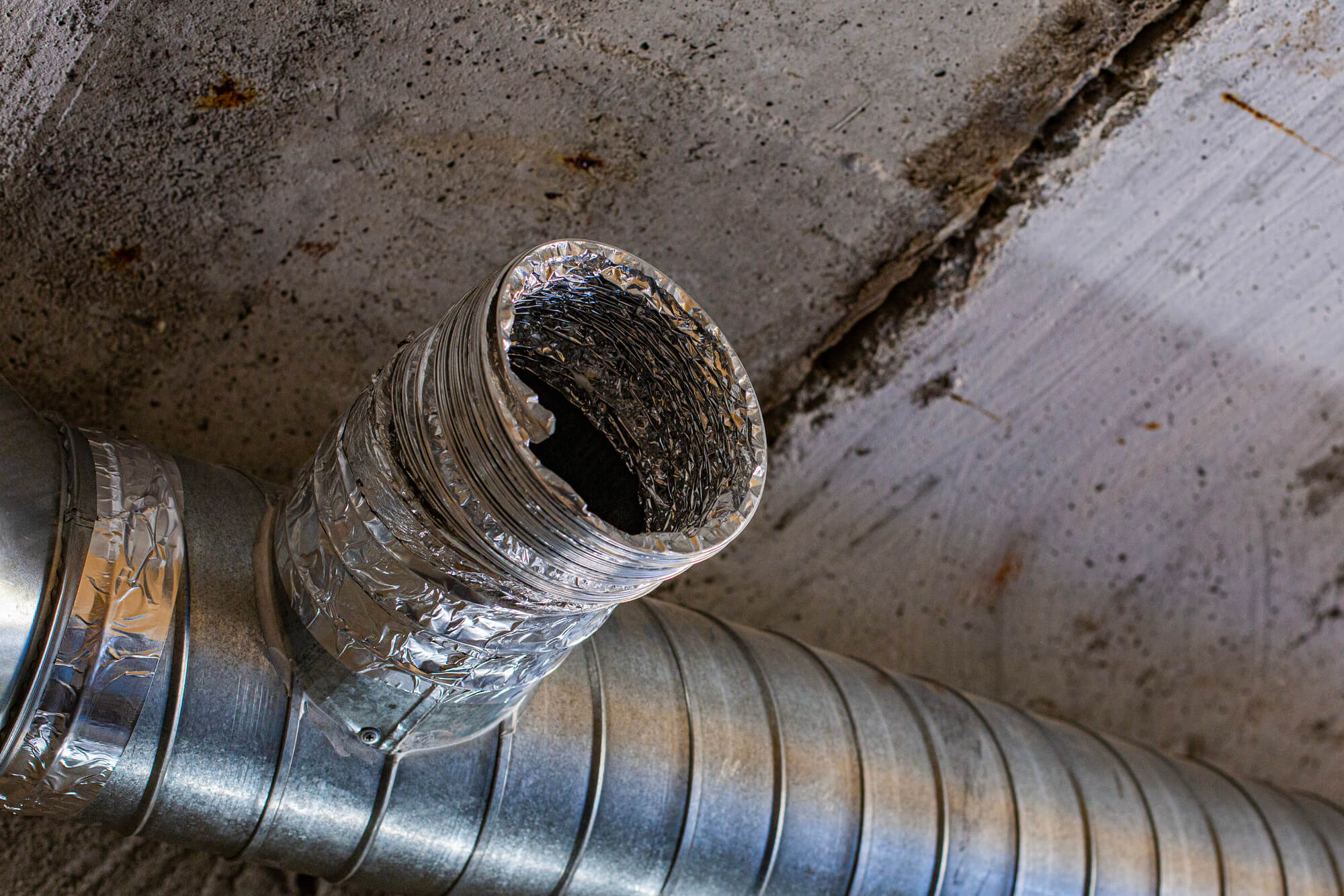
Poor humidity regulation can lead to moisture buildup inside your HVAC system and ductwork, resulting in:
- Mold spores, bacteria, and dust accumulation
- Reduced air filter performance and increased asthma triggers
- Air pollutants circulating through supply vents
Professional duct cleaning and IAQ testing identify hidden sources of:
- Moisture
- Pollutant buildup
- Airflow blockages.
Modern PURAIR® uses certified equipment and follows current regulations to restore HVAC efficiency and clean indoor air. Find out more here.
Quick Tips to Improve Humidity and Air Quality Year-Round
- Run exhaust fans when cooking or showering
- Avoid drying clothes indoors when possible
- Repair leaks promptly and inspect roof flashing seasonally
- Monitor humidity with smart sensors
- Schedule indoor air quality inspections and duct cleaning regularly
Managing Humidity Is Essential for Clean Indoor Air
The link between humidity and indoor air quality isn’t just in theory—it has real effects on your health, comfort, and HVAC system every day. Both high and low humidity create ripple effects throughout your home or building, from mold growth and air pollutants to poor sleep quality, asthma flare-ups, and thermal discomfort.
Fluctuating humidity levels can worsen respiratory conditions, making it harder to breathe comfortably. Poor relative humidity can also impact your living room comfort and other spaces by allowing dust and allergens to circulate more freely.
Proactively managing indoor humidity with proper ventilation, mechanical ventilation systems, air purifiers, or a humidifier helps maintain a healthier balance. Integrating air conditioning systems and maintaining ideal temperature also play a critical role in reducing pollutants and preventing mold.
Managing humidity isn’t optional — it’s essential for better health, energy efficiency, and a comfortable home year-round.
Modern PURAIR® offers professional indoor air quality testing, air duct cleaning, and humidity control consultations tailored to your property.
Contact us today and breathe easier — your lungs will thank you.