The last ten years have shown that clean indoor air isn’t a luxury or a given anymore. It’s a necessity, especially with the increasing awareness of airborne viruses, VOCs (volatile organic compounds), and everyday air contaminants like dust, mold, and bacteria.
This is why homeowners are turning to air purifiers to ensure a healthier environment. But not all purifiers filter the same things or as much.
The choice for most homeowners now is between investing in a whole-house air purifier or system or just relying on portable models.
Modern PURAIR is here to help you explore the options.
Why Air Purification Matters in Today’s Homes
Believe it or not, the Environmental Protection Agency (EPA) has found that indoor air can be more polluted than outdoor air, harboring a mix of airborne particles, VOCs, bacteria, and mold spores, in addition to whatever outside air pollution manages to seep into the home.
These contaminants not only compromise comfort but also pose serious health risks, especially for individuals with respiratory issues. Whether it’s smoke particles, dirt, pet dander, or airborne viruses like COVID-19, the right air filters and purifiers can play a pivotal role in safeguarding your home’s air quality.
What Are Whole-Home Air Purifiers?
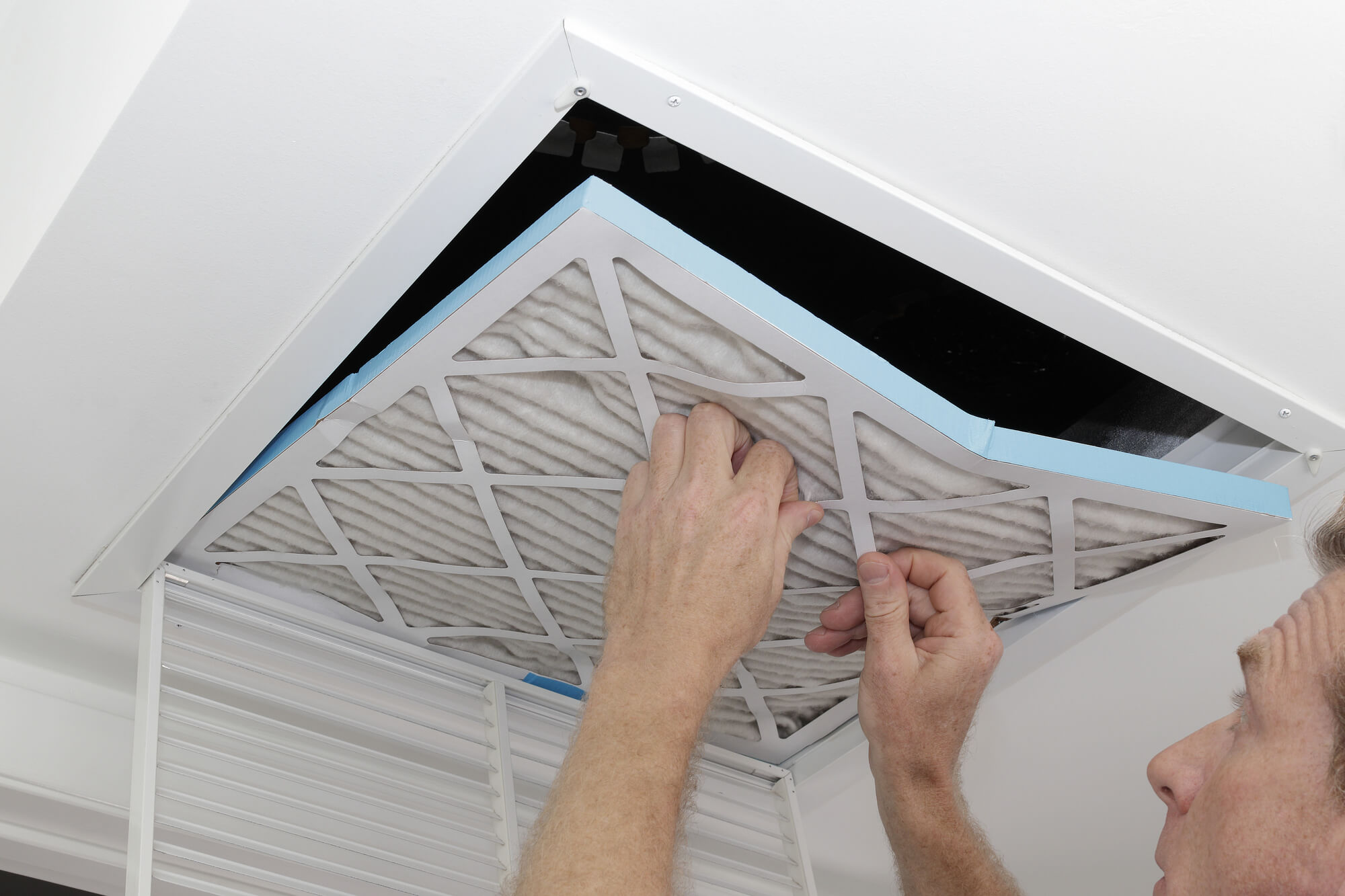
Whole-home air cleaners are fixed units integrated directly into your home’s HVAC system. These whole-house air purification systems treat air across every room using centralized air filtration systems, typically equipped with HEPA filters or similar, activated carbon filters, and UV-C light technology.
Types and Features:
- HEPA filters for capturing 99.97% of airborne particles
- Activated carbon filters to absorb odors and VOCs
- UV-C light air cleaners that use UV light to neutralize bacteria, mold, and viruses
- Integration with heat recovery ventilators and humidifiers for enhanced efficiency
- Air filters of a MERV rating of 8 or below are recommended for most homes.
Pros:
- Treats the entire home uniformly
- Quiet operation with advanced sound attenuation
- Low maintenance: fewer filter replacements needed
- Improved HVAC efficiency through better airflow and cleaner air ducts
Considerations:
- Requires professional installation
- Higher upfront investment compared to portable units
- Dependent on existing HVAC infrastructure
What Are Portable Air Purifiers?
Portable air purifiers are standalone air cleaning devices designed for specific rooms. These include tabletop UV lamps, in-room HEPA air cleaners, and carbon filter units. They are plug-and-play, requiring no permanent installation.
Types of Portable Units:
- In-room HEPA Air Cleaner: Ideal for capturing dust, dirt, and allergens for the average room size
- Activated carbon purifiers: Excellent at reducing odors and VOCs
- UV-C light tabletop models: Help neutralize microbes in localized areas
- Electrostatic and ionizing purifiers: Capture fine debris but may emit trace ozone (O3)
Pros:
- Lower initial cost
- Easy to move between rooms
- No HVAC integration needed
- Great for renters or smaller homes
Considerations:
- Higher energy consumption per unit
- You may need multiple purifiers to cover larger homes
- Very dependent on airflow patterns within rooms to be effective
- More frequent filter replacements
- Can have higher noise levels than whole-house systems, depending on fan speed
Comparing Key Features
Here’s how whole-house air purification systems stack up against portable air purifiers when comparing performance, convenience, and cost-effectiveness.
| Feature | Whole-Home Systems | Portable Units |
| Coverage | Entire home | Single rooms only |
| Filter Technology | HEPA or highly MERV-rated filters, UV light air cleaners | HEPA, carbon, UV-C, electrostatic |
| Noise Levels | Low (sound-attenuated in HVAC system) | Varies; some units can be loud |
| Installation | Requires professional setup | No installation required |
| Maintenance | Annual service, fewer filter changes | Frequent filter replacements |
| Efficiency | High with consistent airflow and purification | Varies; depends on CADR and room size |
| Energy Use | More cost-effective for large areas | Can be costly with multiple units |

How to Choose the Right Purification System
Choosing the right air purifier depends on your living space, your family’s health needs, and the level of contaminants in your home. The following checklist is designed to help you evaluate these variables and determine the best solution.
1. Get Indoor Air Quality Testing First
Consult air quality experts to assess pollution, VOCs, humidity, and airborne bacteria levels. This will determine whether portable units or a centralized solution is needed.
2. Assess Your Space and Health Needs
Think about the size of your home, which rooms are used most often, and any occupants with asthma, allergies, or other sensitivities.
3. Evaluate Filter Ratings
- MERV ratings: Higher is better for HVAC filters
- CADR: Clean Air Delivery Rate for portable air purifiers
4. Consider Installation & Cost-Effectiveness
- Whole-home systems are more cost-effective in the long run
- Portable air purifiers may offer short-term flexibility, but increase operating costs
5. Maintenance Matters
Don’t overlook filter replacements, energy consumption, and general upkeep. Whole-house air purification systems typically offer better long-term performance with fewer touchpoints, while portable units can be deceptive in the amount of maintenance required to keep them effective and healthy.
When to Choose Whole-Home Purification
Whole-house air purifiers are ideal for homeowners looking for seamless integration with HVAC systems and complete air coverage across every room.
Best for:
- Homes with central HVAC systems
- Allergy-sensitive occupants
- Energy-efficient upgrades
- Long-term air quality solutions
When Portable Units Make More Sense
Portable air purifiers are a practical alternative for temporary or room-specific air cleaning needs, especially for renters or those on a budget.
Best for:
- Apartments or rental units
- Small homes with limited HVAC access
- Short-term air quality control
- Targeting specific rooms like bedrooms or nurseries
Myths & Truths
Let’s separate fact from fiction when it comes to how air purifiers work.
Myth: All air purifiers eliminate 100% of pollutants
Truth: Even high-efficiency purifiers reduce—but don’t eliminate—all airborne contaminants. Regular maintenance and filter replacements are essential.
Myth: HEPA filters remove odors
Truth: Only activated carbon filters address smells and VOCs. HEPA targets particles.
Myth: Electrostatic purifiers are totally safe
Truth: Some emit ozone (O3), which can irritate lungs. Always verify the ozone emission level.
The Modern PURAIR® Advantage
As leaders in indoor air quality solutions, Modern PURAIR® delivers full-service IAQ consultation, air purification system installation, and ongoing support designed to improve indoor air quality throughout your entire house. With a focus on clean air, energy efficiency, and effective removal of airborne particles, we help homeowners create healthier indoor environments.
Services Include:
• Advanced IAQ detection tools to scan for bacteria, mold spores, airborne mold spores, volatile organic compounds, dust mites, smoke particles, and fine particles that impact indoor air. These tools help test air purifiers and identify harmful particles in the air so you can choose the right air purifier or whole house filtration system.
• Professional installation of whole-home air cleaners and UV-C in-duct air purifiers that work with your HVAC system or air conditioning system to deliver optimal airflow, higher air changes per hour, and energy efficient purification. Whole-home systems outperform many air purifiers by filtering larger spaces measured in thousands of sq ft.
• Tailored air quality solutions across North America, including HEPA-based filtration, activated carbon filters for odor removal, UV light purification, and systems built to remove fine particles, pet dander, wildfire smoke, household odors, and gaseous pollutants.
• Ongoing maintenance programs that ensure your filtered air stays consistent by managing filter replacement schedules, monitoring air quality sensors, checking fan speed performance, and recommending new filters or replacement filters as needed to extend filter life.
What Makes Sense for You?
Choosing between whole-house air purification and portable air purifiers depends on your room size, lifestyle, and air quality goals. Whole-home air cleaners deliver filtered air to every room through the HVAC system, offering quiet operation, smart features, and superior air delivery rate (CADR) for the entire house. These systems are ideal for removing airborne allergens, smoke particles, mold spores, and unwanted odors with minimal noise output and low energy consumption.
Portable air purifiers, such as popular models like Alen air purifiers or the Coway Airmega, can be effective when matched to the room’s square footage. A good air purifier with a true HEPA filter and activated carbon can remove airborne particles, odor control issues like pet odors, and microscopic particles in smaller spaces. Many air purifiers also include sleep mode, adjustable fan speed, air quality sensors, and quiet operation for bedrooms or offices.
If you want the most comprehensive solution with consistent air changes, whole house filtration systems and true HEPA whole-home air cleaners generally outperform room air purifier units. But if flexibility and targeted purification matter—such as addressing odor removal in a single area—a high-quality portable air purifier may meet your needs with lower upfront investment and simple filter replacement costs.
Whether you choose whole-home air purification or portable units, the goal is the same: improving air quality, reducing airborne contaminants, and ensuring a healthy indoor air environment for your household. Modern PURAIR® helps you determine the right air purifier or purification system for long-term comfort, clean air, and a confident sense of home.
Let the air quality experts at Modern PURAIR® help you determine the best solution for your home.
Contact us today to schedule your indoor air quality assessment and take the first step toward breathing easier.