
Indoor air is out of sight and therefore often out of mind, yet the quality of the air you breathe indoors has a direct and measurable impact on your health, comfort, and daily performance. According to indoor air facts published by the World Health Organization and multiple public health and occupational health studies, poor indoor air quality is one of the most common environmental health risks in modern buildings. Many people ask, can bad ventilation make you sick? The answer is yes. Poor indoor air quality, poor ventilation, and prolonged exposure to indoor air pollutants can trigger sick building syndrome symptoms, respiratory issues, headaches, fatigue, and even more serious health issues over time.
Indoor air pollution often comes from everyday sources such as building materials, heating systems, HVAC systems, household cleaners, and outdoor pollutants that enter through inadequate ventilation. When outside air is not properly exchanged for stale air, contaminants accumulate, increasing exposure and risk. Understanding how poor indoor air affects the body is the first step toward improving your living environment, protecting your well being, and maintaining better health with Modern PURAIR.
Regular Congestion and Headaches
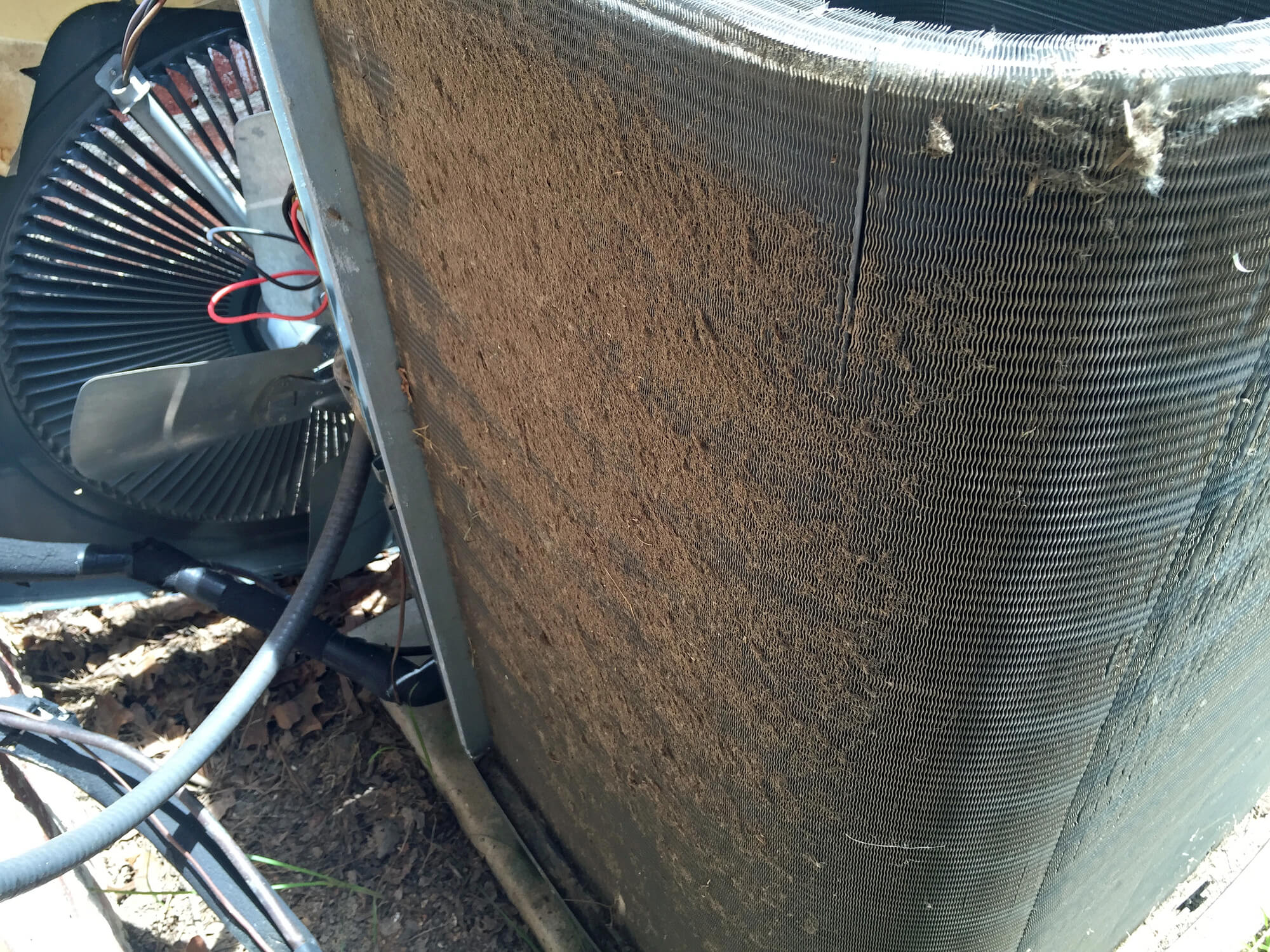
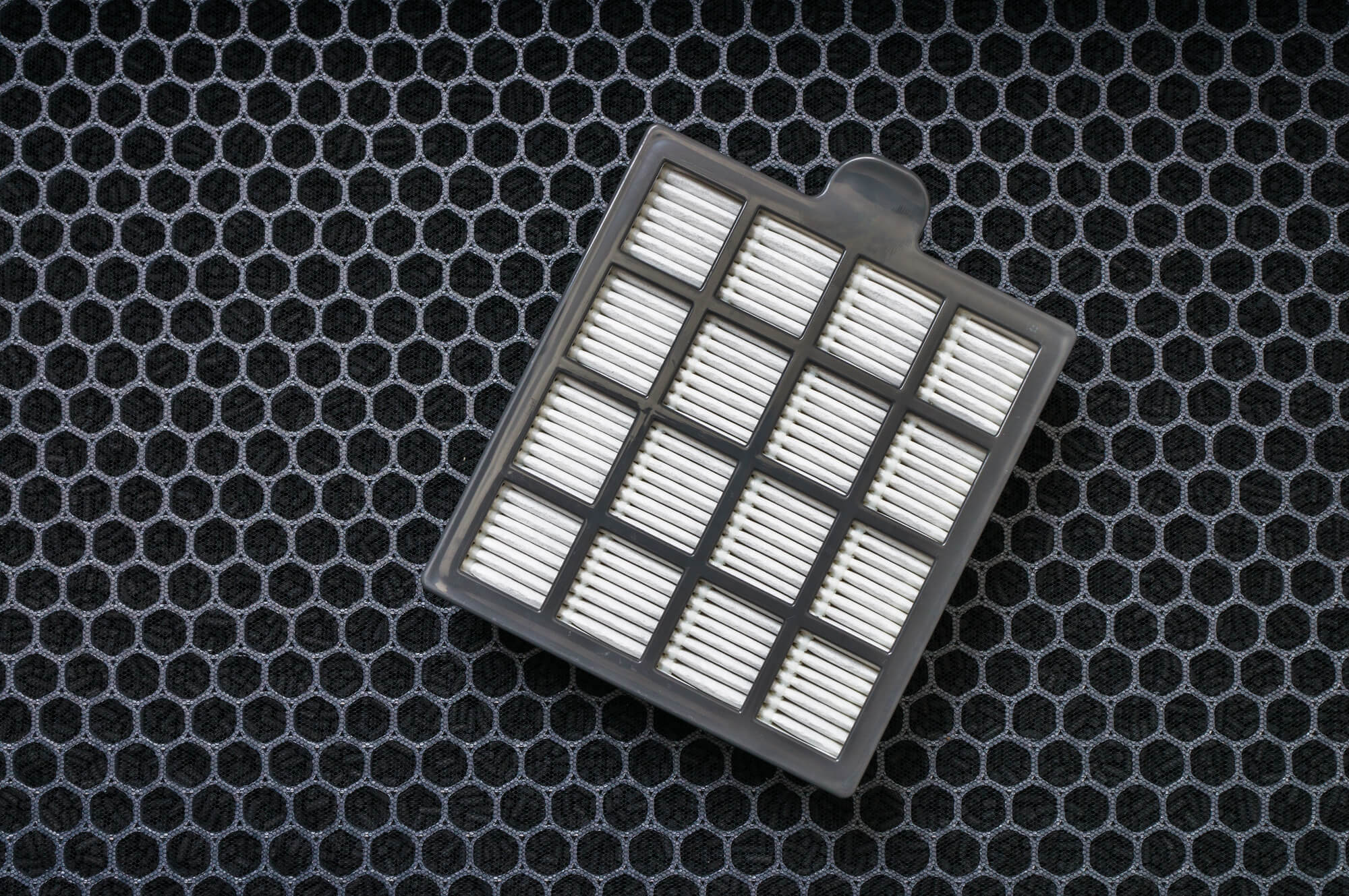
Ventilation systems operate much like the respiratory system of your body. Their job is not only to circulate air but to filter particulate matter, regulate relative humidity, and bring in fresh air from outside. When HVAC systems and heating systems are not well maintained, airflow becomes restricted and air quality declines. Poor IAQ allows indoor air pollutants such as dust mites, pet dander, mold spores, particulate matter, and other pollutants to circulate freely throughout the building.
As a result, your nose and throat are constantly exposed to irritants. The body responds defensively, producing mucus and inflammation to protect soft tissues. This leads to chronic congestion and persistent headaches. Headaches are one of the most frequently reported sick building syndrome symptoms and are strongly associated with poor indoor air quality, poor ventilation, and prolonged exposure to indoor air pollution. In fact, systematic reviews and cross sectional study data consistently link headaches, headaches, and headaches to unhealthy air, inadequate ventilation, and elevated carbon dioxide levels indoors.
These headaches are not random. They are a classic symptom of exposure to stale air, poor air quality, and indoor air pollutants trapped within a particular building. Over time, repeated exposure increases the risk of more serious health issues, including respiratory diseases and reduced cognitive performance.
Throat and Breathing Irritation
The human respiratory system is designed to breathe clean air, not polluted indoor air filled with particulate matter, mold spores, and chemical contaminants. When poor ventilation prevents proper air exchange, pollutants scratch and irritate the nose and throat as they travel through the respiratory system. This irritation causes dryness, soreness, coughing, and trouble breathing.
Poor indoor air quality is closely linked to respiratory symptoms, asthma symptoms, and respiratory conditions such as bronchitis. Individuals with asthma, young adults, children, and those with existing respiratory diseases are especially vulnerable. Volatile organic compounds released from building materials, cleaning products, and furniture further worsen air quality and increase exposure risks.
Cold temperatures and inadequate ventilation compound the problem by trapping pollutants indoors. Instead of fresh air entering the indoor environment, stale air recirculates. Over time, prolonged exposure leads to increased risk of respiratory issues, heart disease, and chronic health problems documented in public health research.
Nausea and Dizziness
Without adequate ventilation, chemical contaminants accumulate quickly. Everyday activities like mopping floors, using cleaning sprays, burning candles, or running heating systems release volatile organic compounds and air pollutants into the indoor air. Poor ventilation prevents these substances from dissipating, resulting in elevated indoor pollution levels.
Exposure to carbon monoxide, carbon dioxide, and other indoor air pollutants can cause nausea, dizziness, headaches, and confusion. Carbon monoxide is particularly dangerous, as it interferes with oxygen delivery in the body and can cause serious health effects. Mold spores, moisture buildup, and chemical fumes increase the risk further, especially in buildings with poor airflow.
Infants, the elderly, and individuals with asthma or respiratory conditions face a higher risk. Occupational health studies show that prolonged exposure to poor IAQ increases the likelihood of sick building syndrome, reduced productivity, and long-term health effects. Opening windows may help temporarily, but without proper ventilation and air filtration, pollutants continue to build up.
Persistent Low Energy
Poor indoor air quality does more than irritate your respiratory system. It places constant stress on your immune system. Poorly maintained HVAC systems trap viruses, bacteria, mold, and moisture, creating an unhealthy air environment that promotes microbial growth. This turns your home into a breeding ground for illness.
When you breathe indoors with poor air quality, your immune system must work overtime to combat exposure. This constant defense burns energy, leading to fatigue, low energy levels, difficulty concentrating, and reduced overall well being. Headaches often accompany this fatigue, creating a cycle of discomfort and reduced quality of life.
Research shows that people living in environments with poor ventilation experience more health issues, increased respiratory symptoms, and higher rates of absenteeism. Over time, prolonged exposure increases the risk of chronic illness, cardiovascular strain, and reduced immune function. Maintaining adequate ventilation, proper airflow, and clean air supports better health, improved energy efficiency, and a healthier living environment.
Keep Healthy With Clean, Maintained Vents
Many people accept symptoms like congestion, headaches, respiratory irritation, and fatigue as normal, not realizing that poor indoor air quality is often the root cause. Poor ventilation, mold, moisture, and indoor air pollutants quietly undermine health without obvious warning signs.
Improving indoor air quality starts with awareness and action. Ensuring well maintained HVAC systems, proper ventilation, adequate airflow, and regular professional cleaning dramatically reduces exposure to indoor air pollutants. Clean vents support fresh air circulation, reduce particulate matter, control relative humidity, and improve overall air quality.
Modern PURAIR helps homeowners and businesses address poor IAQ by restoring clean air, reducing health risks, and creating healthier indoor environments. When you prioritize indoor air quality, you protect your health, reduce headaches, improve respiratory health, and enhance overall well being for everyone in the building. Get in touch with Modern PURAIR!