You wipe everything down on Saturday, feel good about your clean home for a few hours, and by Sunday afternoon, there’s already a fresh film of dust on the tables. It’s natural to look at your vents when the HVAC system starts and wonder whether dirty ductwork is blowing dust back into your home.
So, does duct cleaning reduce dust?
Yes, it can, especially when significant dust, debris, or other material has accumulated inside your air ducts. But professional duct cleaning isn’t a magic switch that makes household dust disappear.
The key is understanding dust as a whole-home issue:
- Air duct cleaning removes an existing reservoir of dust and debris.
- Filtration helps capture particles moving through the HVAC system.
- Source control and housekeeping help reduce new dust entering or forming in your home.
When those pieces work together, you have a much more realistic strategy for keeping dust under control.
Does Duct Cleaning Reduce Dust? The Short Answer
An air duct cleaning service has the best chance of noticeably reducing dust when there is substantial buildup inside the air duct system.
If your ducts contain years of accumulated debris, construction dust, pet-related material, or other contaminants, professional cleaning can remove that material so it is no longer sitting inside the system and, thus, helps improve your indoor air quality.
If your air ducts are already relatively clean, however, duct cleaning may have little effect on how quickly dust returns to furniture, floors, and other surfaces.
That’s because less dust in the ducts doesn’t mean a dust-free home. People, pets, fabrics, outdoor air pollution, and everyday activities continually introduce new particles into indoor air.
The question isn’t simply whether duct cleaning works. It’s whether your duct conditions are contributing enough to the airborne dust problem for cleaning to make a meaningful difference.
Where All the Dust in Your Home Comes From
Air ducts are one part of the dust story, not the whole story.
Every day, household dust can include material from:
- People and pets, including hair, dead skin cells, and pet dander
- Carpets, rugs, curtains, bedding, and upholstered furniture
- Dirt and pollen carried indoors on shoes and clothing
- Outdoor particles entering through doors and windows
- Cooking and other everyday household activities
- Dust and debris created during a remodeling project
Your HVAC system circulates air throughout the home. Filters capture some airborne particles, while others settle onto surfaces or can accumulate within parts of the HVAC system.
Even perfectly clean ductwork won’t prevent new household dust from forming.
When Air Ducts Become a Dust Reservoir
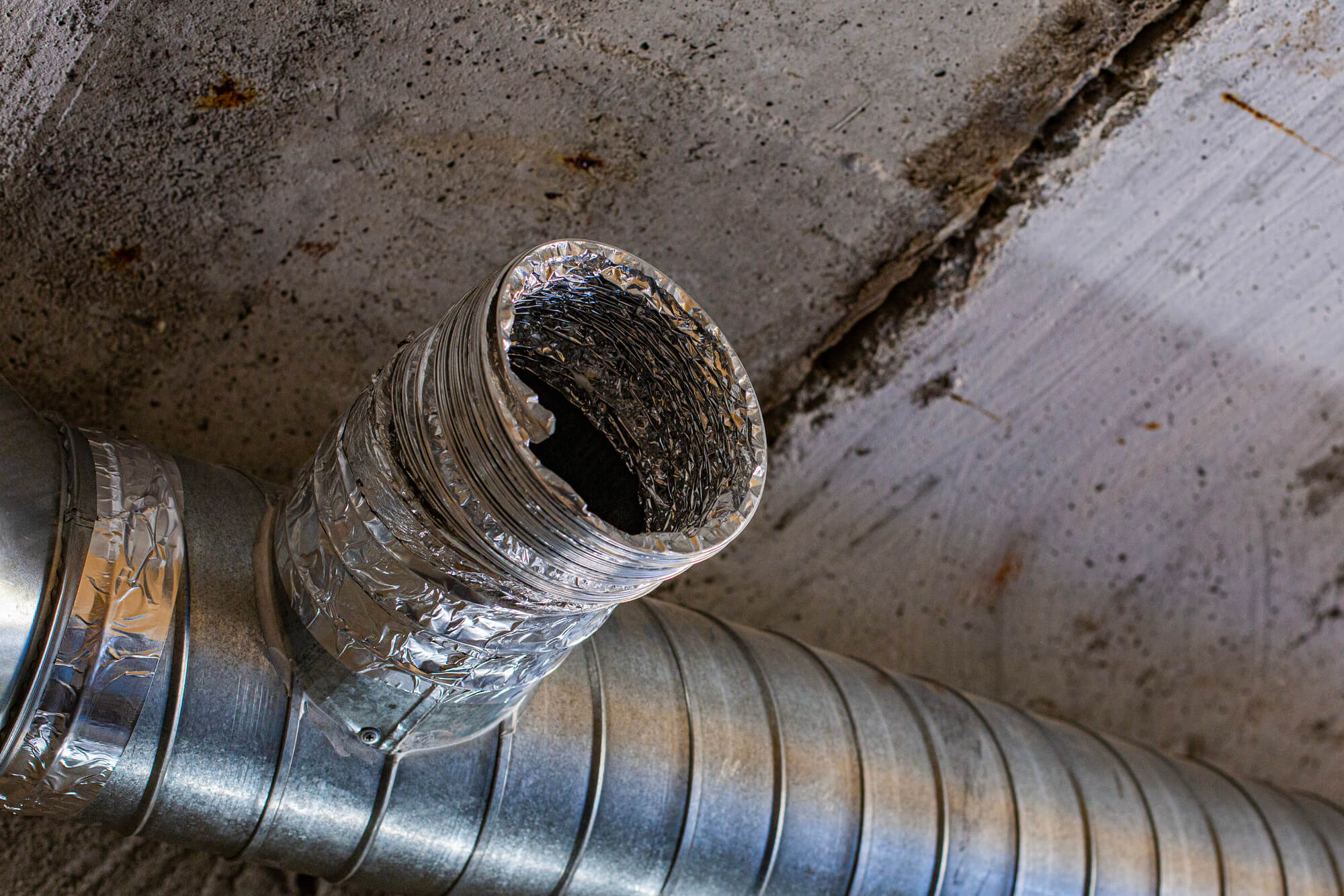
Ductwork becomes more relevant when significant material has accumulated inside it.
That can happen over years of use, after construction or remodeling, or when filtration hasn’t been effectively capturing particles moving through the HVAC system.
Potential signs that further inspection may be worthwhile include:
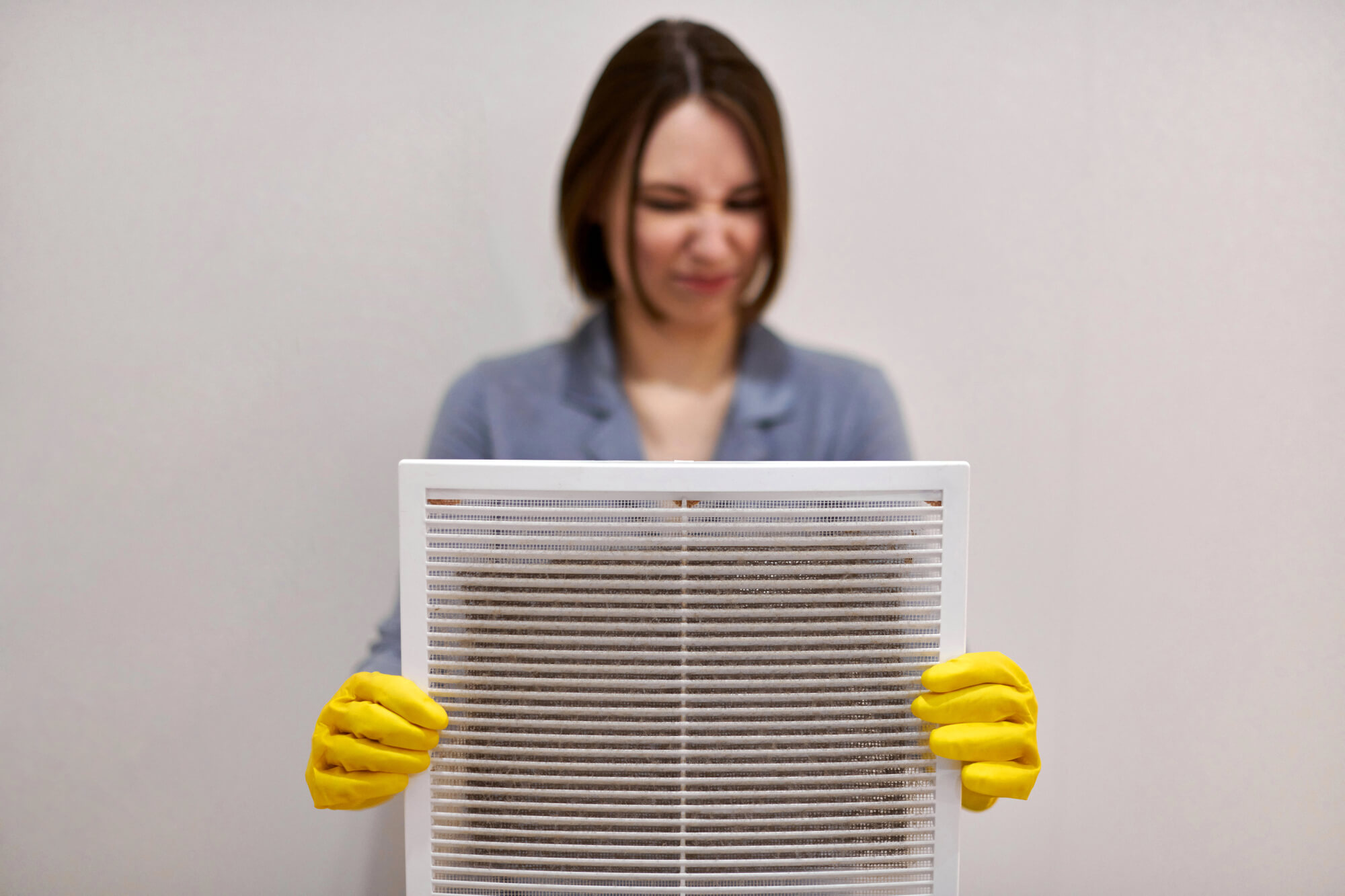
- Visible debris inside accessible ductwork or on air vents
- Material collecting around or coming from the return registers
- Construction dirt and debris left behind after a renovation
- Significant buildup was identified during an HVAC or duct inspection
In these situations, the duct system may be holding material that professional cleaning can physically remove.
That’s the role duct cleaning performs best: removing existing buildup rather than attempting to prevent every new source of dust in the home.
When Does Professional Air Duct Cleaning Make a Noticeable Difference?
Whether an air duct cleaning service noticeably reduces dust depends heavily on what’s actually inside the system.
Here’s a practical way to think about it:
| Situation | Likely Value of Duct Cleaning | What Else Matters |
| Post-renovation or construction debris | Potentially significant | Source control and filtration |
| Visible debris or inside air ducts | Cleaning may be appropriate | Inspection and filter maintenance |
| Older or unknown-history system with substantial buildup | Potentially helpful | Professional inspection |
| Relatively clean ducts with ordinary household dust | Limited effect on its own | Filtration and housekeeping |
| Multiple pets or lots of textiles | Removes duct buildup, not ongoing sources | Vacuuming and filtration |
| Poorly fitted or overdue air filter | Cleaning alone won’t solve the problem | Proper filter and regular changes |
Situations Where Duct Cleaning May Reduce Dust
You are more likely to notice a difference after professional cleaning when there’s clear evidence that the ductwork contains material that should be removed.
- A remodeling project is a good example. Drywall dust, sawdust, and other construction debris can enter exposed registers or ductwork during renovation.
- An older or new-to-you home with an unknown maintenance history may also warrant inspection, particularly if substantial buildup is visible.
- Other situations may involve smoke residue, pest-related debris after the underlying pest problem has been resolved, or appropriately identified contamination involving the HVAC system.
In these cases, professional cleaning removes material from the system so there is less existing debris available to be disturbed during air circulation.
When Duct Cleaning Probably Won’t Solve Your Dust Concerns
Duct cleaning can be underwhelming if the ducts aren’t actually a significant source of the dust you’re seeing.
For example:
- Your air filter is overdue, poorly fitted, or inappropriate for the HVAC system
- You have multiple pets or significant pet dander
- Your home contains lots of carpets, rugs, curtains, and other textiles
- Windows are frequently open during dusty or high-pollen conditions
- Dust is already accumulated throughout furniture, fabrics, and other surfaces
- Renovation or construction is still creating new debris
In these situations, cleaning the ductwork doesn’t stop the ongoing source.
That’s why expectations matter. Professional cleaning can remove what’s inside dirty air ducts, but it cannot make a home permanently dust-free.
How Professional Duct Cleaning Services Remove Dust and Debris
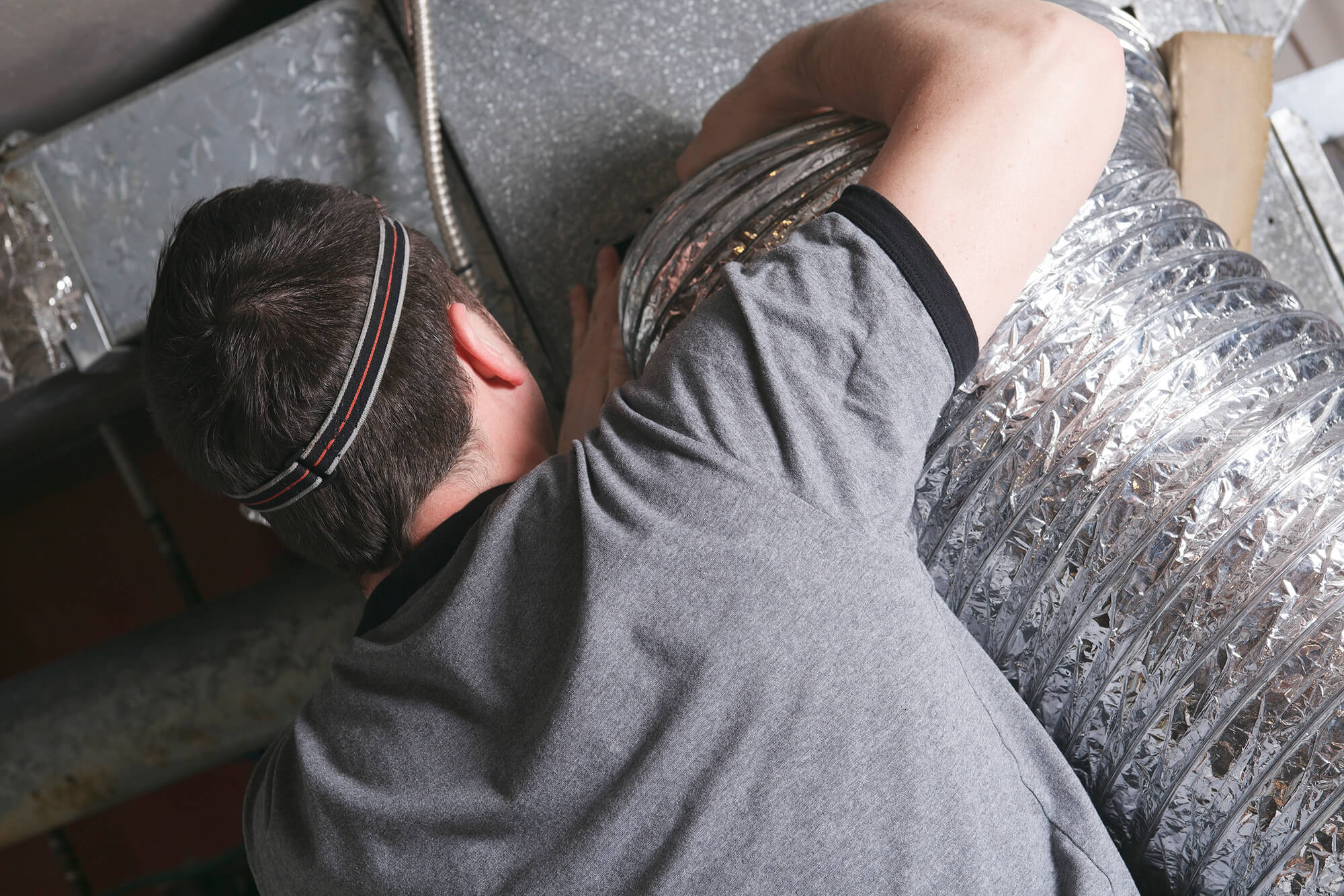
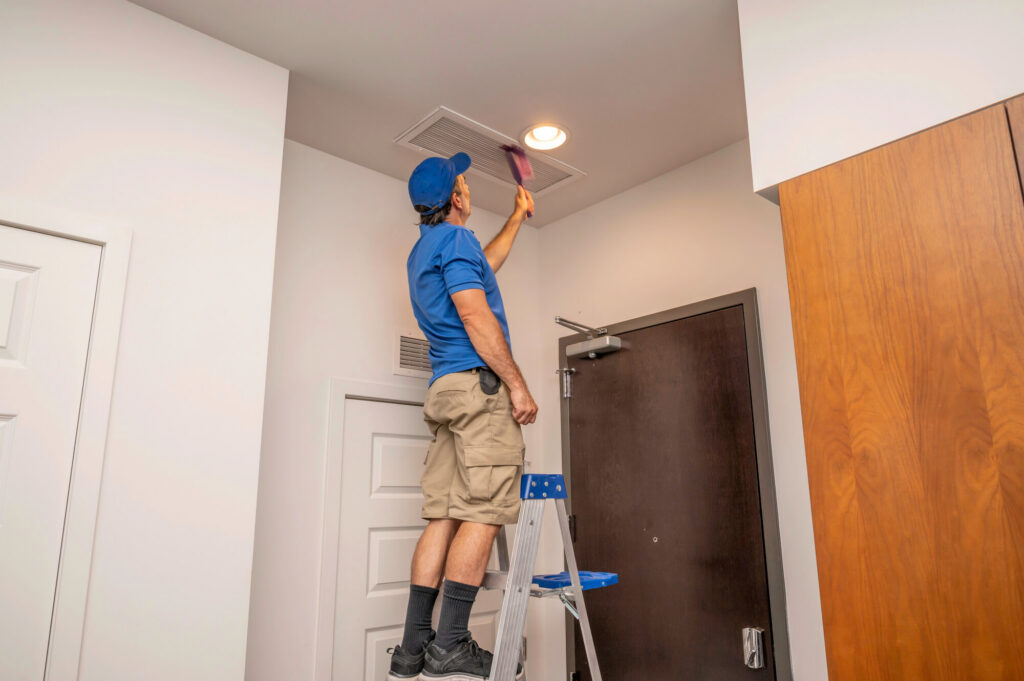
A professional air duct cleaning involves more than running a household vacuum cleaner around the vent covers.
While the exact process depends on the HVAC system and scope of work, a thorough cleaning generally includes several stages:
- Inspect the HVAC system and duct conditions: Technicians evaluate accessible ductwork, vents, registers, and applicable HVAC components before cleaning begins.
- Prepare the work area: Appropriate areas of the home are protected, and professional equipment is set up.
- Place the system under negative pressure: High-powered vacuum equipment creates negative pressure so loosened dust and debris can move toward the vacuum collection system rather than being released into the home.
- Agitate accumulated material: Professional cleaning tools are used to loosen debris from inside the ductwork so it can be captured.
- Work through the duct system: Supply and return air ducts are cleaned methodically rather than simply vacuuming the registers.
- Address applicable HVAC components: Depending on the agreed scope, accessible areas around the furnace, blower motors, and fans, or other system components may also be addressed.
- Review the completed work: A professional provider should explain what was completed and what was removed from the system.
Modern PURAIR® uses a defined cleaning process designed to remove accumulated material from the duct system rather than simply cleaning what homeowners can see at the vents.
Your Air Filter Matters More Than Many Homeowners Realize
Duct cleaning removes material that has already accumulated. Your air filter helps capture particles as air continues circulating through the HVAC system afterward.
Three details matter:
- Filter condition: An overdue filter can’t perform as intended and may affect system airflow.
- Filter fit: Air should pass through the filter rather than around gaps at its edges.
- Filter efficiency: The appropriate filtration level depends on the HVAC system.
You’ll commonly encounter filters with different MERV ratings, including filters in the MERV 8–13 range. Higher-efficiency filtration may capture smaller particles, but the highest rating isn’t automatically the right choice for every furnace or HVAC system. Increased filtration resistance must be compatible with the equipment and airflow requirements.
HEPA filters, standalone air cleaners, or an air purification system may also play a role in some indoor air quality strategies, but they serve a different purpose from professional duct cleaning.
What Else Can You Do to Reduce Dust After Duct Cleaning?
Think of professional duct cleaning as a reset when substantial buildup exists. What happens afterward determines how quickly new dust accumulates and the overall state of your indoor air quality.
Capture Dust Before It Recirculates
Maintain the correct HVAC filter and change it according to the manufacturer’s recommendations and your home’s conditions.
Regular housekeeping matters too. Vacuuming carpets, rugs, and upholstery with suitable equipment, such as a HEPA-filtered vacuum where appropriate, helps capture particles that otherwise remain in living spaces.
Regularly cleaning bedding, throws, curtains, and other washable textiles can also reduce reservoirs of dust, dust mites, and pet dander.
Control Where New Dust Comes From
Source control can be surprisingly effective.
- Use doormats and practical shoe habits to reduce tracked-in dirt.
- Consider keeping windows closed during particularly dusty or high-pollen conditions.
- During renovation work, contain construction debris and protect HVAC registers where appropriate.
None of these actions eliminates dust, but together they reduce how much new material your filtration and housekeeping routines have to manage.
Check for Duct Leaks
Duct cleanliness isn’t the only duct-related issue that can affect the system.
Leaks, particularly in return ductwork running through a dusty attic, crawlspace, garage, or similar area, can potentially allow unwanted material to enter the air stream.
If an assessment identifies significant leakage, duct sealing may be part of the solution.
Cleaning removes existing material; sealing addresses gaps or leaks that may contribute to future problems.
What About Mold, Bacteria, Sealants, and Chemical Biocides?
Mold spores or suspected microbial growth require more than simply cleaning visible material.
If mold growth is identified in or around the HVAC system, the moisture source that allowed it to develop also needs to be found and corrected. Otherwise, cleaning alone doesn’t address the underlying problem.
Homeowners should also avoid assuming that chemical biocides, sanitizers, or sealants need to be applied inside air ducts as a standard part of every cleaning.
The appropriate response should depend on the actual duct conditions and the materials involved, rather than automatically adding chemical treatments to routine duct cleaning.
How to Know Whether Your Air Ducts Actually Need Cleaning
If dust keeps returning, look for evidence before assuming the ductwork is responsible. Visible dust buildup on its own isn’t proof that your home’s ductwork needs attention, but a few specific signs are worth taking seriously.
Professional inspection becomes particularly useful when you have:
- Visible accumulation inside accessible ductwork, whether that’s metal ducts, flexible ducts, or sheet metal sections near the furnace or evaporator coil
- Construction or remodeling debris
- Material blowing from supply registers
- An older heating and cooling system with an unknown maintenance history
- Pest-related debris, including pet hair, after the source has been addressed
- Another known contamination event affecting the duct system, such as visible mold
A professional air duct cleaning company should inspect the situation before making recommendations, explain its cleaning process in plain language, use appropriate professional vacuum and specialized equipment rather than relying on an inadequate vacuum collection system, protect the home during service, and clearly explain what’s included.
You should also be able to understand what was actually removed, including any built up debris or other debris found near access holes or inside the ducts themselves.
That evidence-first approach is much more useful than assuming every dusty home automatically needs duct cleaning, since duct contamination isn’t the source of every dust complaint, and not every claim about ducts clogged or a cooling system’s ductwork failing holds up once someone actually looks inside.
Industry organizations, such as the National Air Duct Cleaners Association (NADCA), also provide information homeowners can use when learning about duct cleaning standards for professional HVAC system cleaning, and the Environmental Protection Agency publishes similar guidance on when duct cleaning is and isn’t warranted. A local Better Business Bureau listing can offer complete and knowledgeable answers when researching whether a company that approves duct cleaning companies, or is accredited by one, actually has a track record worth trusting, since not every business making such claims backs them up with real documentation.
Modern PURAIR® follows a defined process that includes professional equipment, trained technicians, and showing customers what was removed from their system, helping turn duct cleaning from a guessing game into a documented service that supports your home’s air quality rather than just promising it.
The Bottom Line: Duct Cleaning Can Reduce Dust, But It Isn’t the Whole Solution
So, does duct cleaning reduce dust? It can when accumulated dust and debris inside the duct system are contributing to the problem. But it won’t eliminate the more dust continually produced by people, pets, textiles, outdoor air, and everyday life, and a household suffers less from dust when the whole system, not just the ductwork, is considered together.
A better long-term strategy is to combine the right solutions: remove significant existing buildup, maintain appropriate filtration with a properly maintained furnace filter, control new dust sources that create dust in the first place, and address duct leaks when they’re present to help prevent duct contamination and keep air moving efficiently through a properly working fan motor and cooling system.
Regular cleaning isn’t automatically necessary for every home, and assuming it is can lead to costly repairs or services that turn out to be completely unnecessary. But when there’s real visible evidence of a problem, having your ductwork cleaned by a qualified professional is one of the clearer benefits of air duct maintenance available to homeowners dealing with genuine indoor air problems or indoor air pollution.
After booking a service with Modern PURAIR®, they can provide professional duct cleaning and show you what came out of your system, giving you a cleaner starting point for your ongoing dust-control plan, better clean air ducts, and the kind of health benefits that come from addressing real duct work issues rather than guessing at health problems that may not be related to your ducts at all.