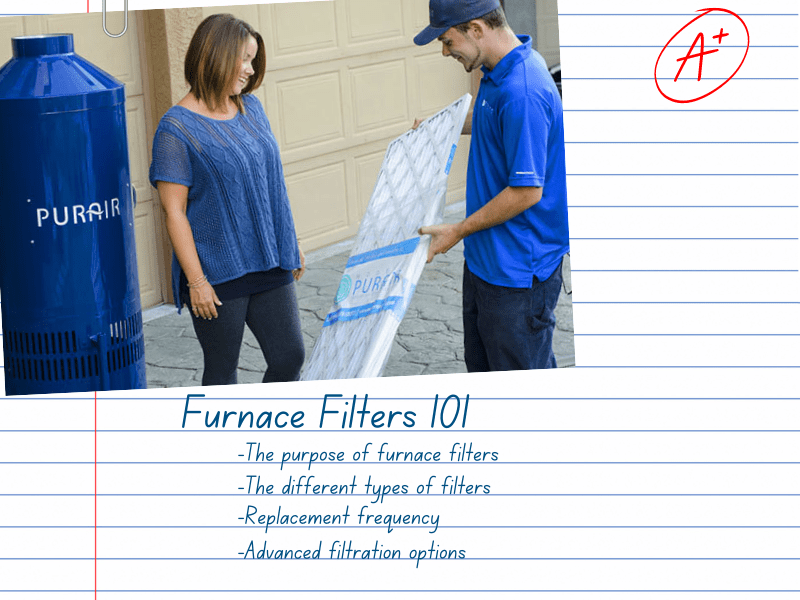
Furnace filters play a crucial role in maintaining indoor air quality and the efficiency of your HVAC system. Often overlooked, these unassuming components serve as the frontline defense against airborne particles, allergens, and pollutants that can impact your health and the lifespan of your heating and cooling equipment. In this blog, we’ll delve into the purpose of furnace filters, explore the different types available, explain their MERV ratings, discuss their pros and cons, address replacement frequencies, and cover advanced filtration options for those seeking top-notch air quality.
The Purpose of Furnace Filters
Furnace filters are designed to trap and remove various airborne particles from the air circulated throughout your home. These particles can include dust, pollen, pet dander, mold spores, and even microscopic contaminants that can adversely affect indoor air quality. By capturing these particles, filters prevent them from entering your living spaces, which can lead to allergies, respiratory issues, and other health problems.
Different Types of Furnace Filters
- **Fiberglass Filters (MERV 1-4):** These filters are basic and inexpensive. They’re designed to capture larger particles, but they are not very effective at trapping smaller allergens or pollutants, which are known to be harmful to your health.
- **Pleated Filters (MERV 5-13):** Pleated filters offer improved filtration efficiency due to their folded design, which increases the surface area for capturing particles. The higher MERV ratings in this category are better at removing smaller particles, making them suitable for people looking for a reasonable level of filtration.
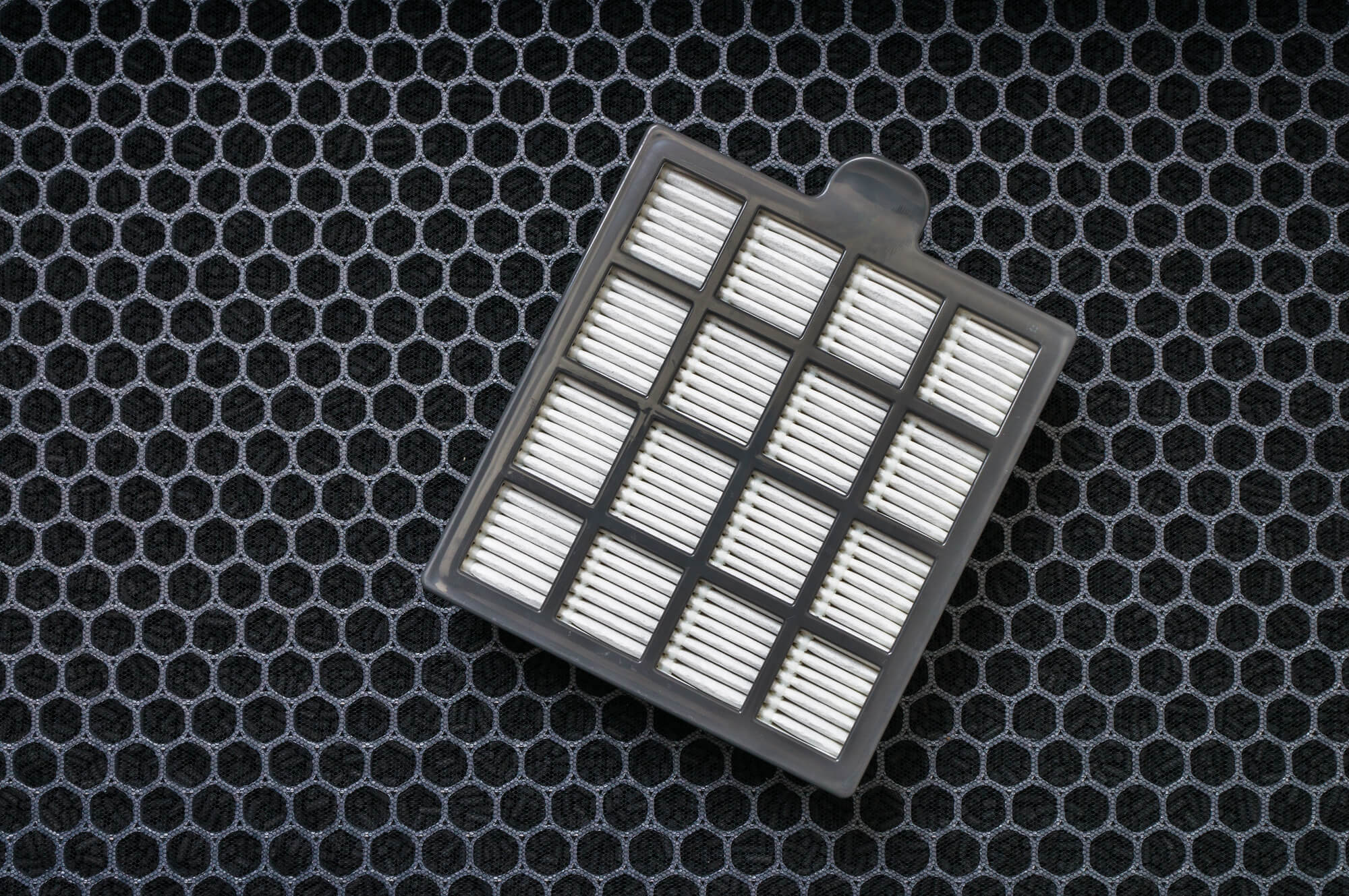
- **HEPA Filters (MERV 14-16):** High Efficiency Particulate Air (HEPA) filters are known for their exceptional filtration capabilities, capturing up to 99.97% of particles as small as 0.3 microns. While extremely efficient, HEPA filters can strain some HVAC systems due to their density.
MERV Ratings and Capabilities
The Minimum Efficiency Reporting Value (MERV) is a standardized rating system that indicates a filter’s effectiveness in capturing airborne particles. Higher MERV ratings correspond to finer filtration, but it’s important to strike a balance between filtration efficiency and your HVAC system’s capacity. Using a filter with a higher MERV rating than recommended can restrict airflow, potentially leading to reduced efficiency or even system damage.
Pros and Cons of Different Filter Levels
- **Basic Filters (MERV 1-4):** These filters are affordable and allow good airflow, but they offer limited particle capture, making them suitable for homes with minimal air quality concerns.
- **Pleated Filters (MERV 5-13):** With improved particle capture, pleated filters strike a balance between affordability and filtration efficiency. However, higher MERV-rated pleated filters might need more frequent replacements due to airflow restrictions.
- **HEPA Filters (MERV 14-16):** While exceptional at trapping particles, HEPA filters may hinder airflow in some systems. They’re ideal for those with allergies or respiratory conditions, but professional advice is crucial to ensure your HVAC system can accommodate them.
Replacement Frequency and Overloaded Filters
Regular filter replacement is vital to maintain optimal air quality and HVAC system efficiency. The frequency varies depending on the filter type, your home’s air quality, and factors like the presence of pets or smokers. As a general guideline, filters should typically be replaced every 3 months.
Using an overloaded filter can lead to several issues, such as reduced airflow, decreased efficiency, increased energy consumption, and even overheating of your HVAC system. Neglecting filter changes can also cause premature wear and tear on your equipment, potentially leading to costly repairs.
Situations Requiring More Frequent Filter Changes
Certain circumstances may necessitate more frequent filter replacements:
- **High-Pollution Areas:** If you live in an area with high pollen counts, pollution, or forest fire smoke – consider changing your filter more frequently to maintain indoor air quality.
- **Pet Owners:** Pets shed dander and hair, which can quickly clog filters. More frequent replacements can help prevent excessive buildup.
- **Home Renovations:** During renovations, increased dust and debris circulation might warrant more frequent filter changes to prevent system strain.
Advanced Filtration Options
For homeowners seeking top-tier air quality, advanced options like polarized media filters and electronic air cleaners paired with UV-C light systems offer exceptional filtration efficiency. Polarized media filters can capture even smaller particles, using electrical charges to capture particles. UV-C light systems help neutralize airborne pathogens.
Conclusion
Furnace filters are not just replaceable components but essential tools for maintaining a healthy indoor environment and extending the life of your HVAC system. Understanding the different types, MERV ratings, and pros and cons of filters can help you make informed decisions for your home. Regularly changing filters based on manufacturer recommendations and individual needs will ensure that your air remains clean and your HVAC system operates efficiently. And for those who prioritize the highest level of air quality, advanced filtration options can provide the peace of mind that comes with breathing clean, fresh air.